Maria is an intake coordinator. She does not provide legal advice.
Humerus fracture
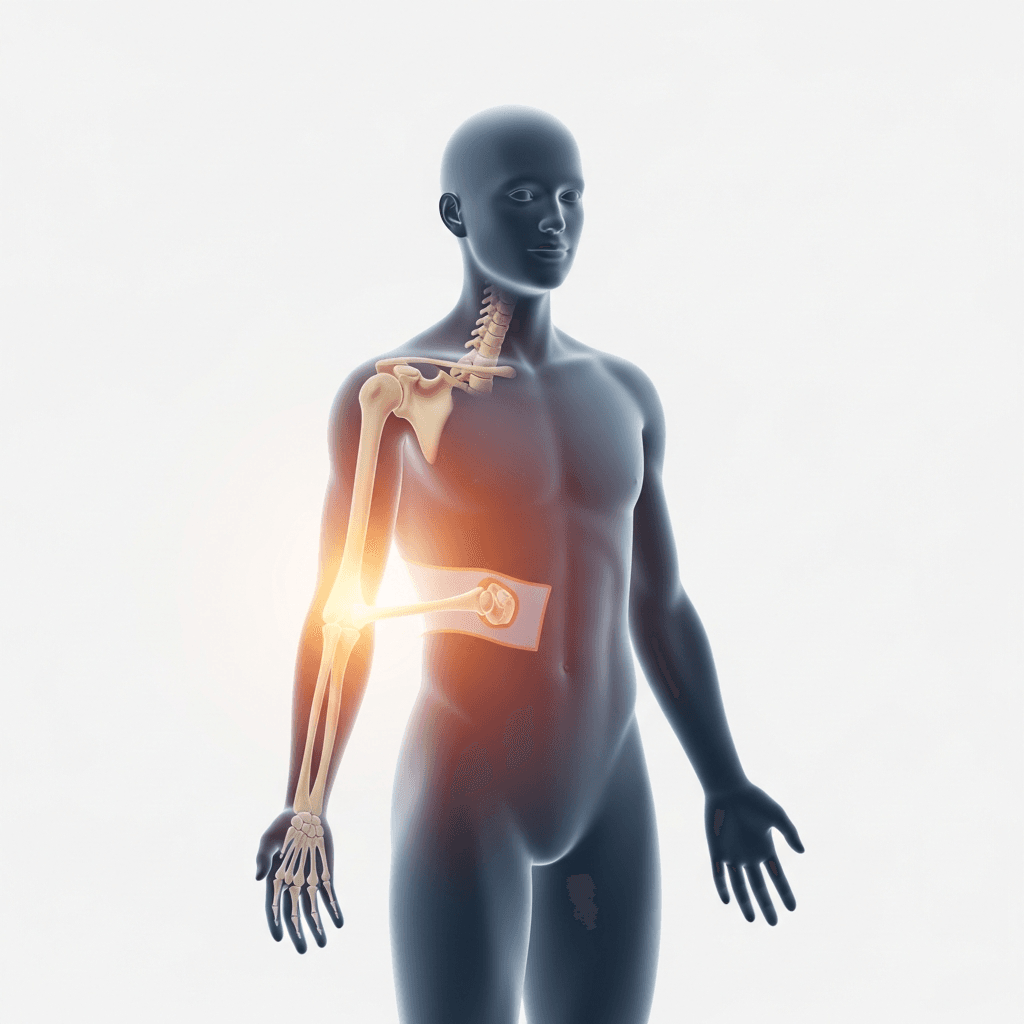
Typical Treatment
Splinting or casting to keep the broken bone in proper position while it heals, Pain medication and anti-inflammatory drugs to manage discomfort and swelling, Surgery with pins, plates, or screws for severe breaks that won't heal properly in a cast, Physical therapy to restore strength and range of motion after the bone heals, Hand therapy for forearm breaks that affect wrist and finger movement, Regular X-rays to monitor how well the bone is healing
Recovery Timeline
Often 6-8 weeks for the bone to heal, with total recovery including physical therapy typically taking 3-6 months or longer for complex breaks
Common Accident Causes
Broken arms often happen when people brace for impact by extending their arms toward the dashboard or steering wheel, or when the force of collision throws them against the car's interior.
Impact Speed Range
May occur at speeds as low as 20-50+ mph
Common Collision Types
All types
Car accidents can break arm bones in several ways. When people see a crash coming, they often throw their hands up toward the dashboard or steering wheel to protect themselves. The impact force travels up through the hands and can snap the forearm bones or upper arm bone. Side-impact crashes frequently cause arm fractures when the arm gets pinned between the body and the door or window.
The twisting and bending forces during a collision can also break arm bones even without direct impact. When the body gets thrown sideways or forward, the arm may get caught or twisted in an unnatural position. Rollover accidents are particularly dangerous for arm injuries because people can get tossed around inside the vehicle.
Older adults may suffer arm fractures from seemingly minor crashes because their bones are more fragile. Even a low-speed collision can generate enough force to crack weakened bones, especially if the person braces against the impact.
No upfront fees. No fee unless we recover money for you.
We'll get back to you as soon as possible.
(480) 899-9019 — free consultation
Most broken arms start with immediate splinting or partial casting to keep the bone pieces from moving around and causing more damage. Doctors typically prescribe pain medication and recommend ice to control swelling during the first few days. Simple breaks that line up well often heal successfully with just a cast or splint worn for six to eight weeks.
More complex fractures may require surgery to put the bone pieces back together properly. Surgeons can use metal plates, screws, pins, or rods to hold everything in place while the bone heals. This type of surgery (called open reduction and internal fixation) helps ensure the arm heals straight and strong.
After the bone heals enough to remove the cast, most people need physical therapy to regain normal strength and movement. The muscles and joints get stiff during weeks of immobilization, so rehabilitation focuses on gradually restoring flexibility and building back lost muscle mass. Some people also work with specialized hand therapists if the break affected their ability to grip or use their fingers normally.
Some broken arms develop complications that weren't obvious right after the accident. Nerve damage can occur if bone fragments press against nearby nerves, causing numbness, tingling, or weakness that may last months or become permanent. The radial nerve, which controls thumb movement and wrist extension, is particularly vulnerable with upper arm fractures.
Other people experience problems with how the bone heals. Sometimes broken bones heal in the wrong position, creating a permanent bend or twist in the arm. Bones can also heal too slowly or fail to heal completely, requiring additional surgery. Joints may become stiff and lose their normal range of motion, especially if the break was near the elbow or shoulder. These complications can significantly impact someone's ability to work or perform daily activities, particularly if the dominant arm is affected.
Clinical terminology for medical and legal professionals
An arm fracture involves a break in one or more of the three long bones of the upper extremity: the humerus (upper arm bone), radius, or ulna (forearm bones). These fractures are classified by location (proximal, mid-shaft, or distal), pattern (transverse, oblique, spiral, or comminuted), and displacement. Humeral shaft fractures (ICD-10: S42.3) account for approximately 1-5% of all fractures and often involve the radial nerve. Forearm fractures involving the radius and ulna (ICD-10: S52) may be isolated or combined injuries. Treatment modalities range from closed reduction and immobilization with casting or splinting to open reduction and internal fixation (ORIF) using plates, screws, or intramedullary nailing, depending on fracture characteristics and patient factors.
Just been in an accident? See our step-by-step guide →
No upfront fees. No fee unless we recover money for you.
We'll get back to you as soon as possible.
(480) 899-9019 — free consultation
From the Blog: Learn more about protecting your rights in our Arizona injury law blog.
