
Clear answers. A straightforward start.

Questions before you take the next step?

Understand the fees, know who you will speak with, and learn what goes into an Arizona injury claim. Start with the topic that matters to you.

Text HenryFree case review

No attorney fee without a recovery. Case costs and expenses remain your responsibility regardless of recovery.

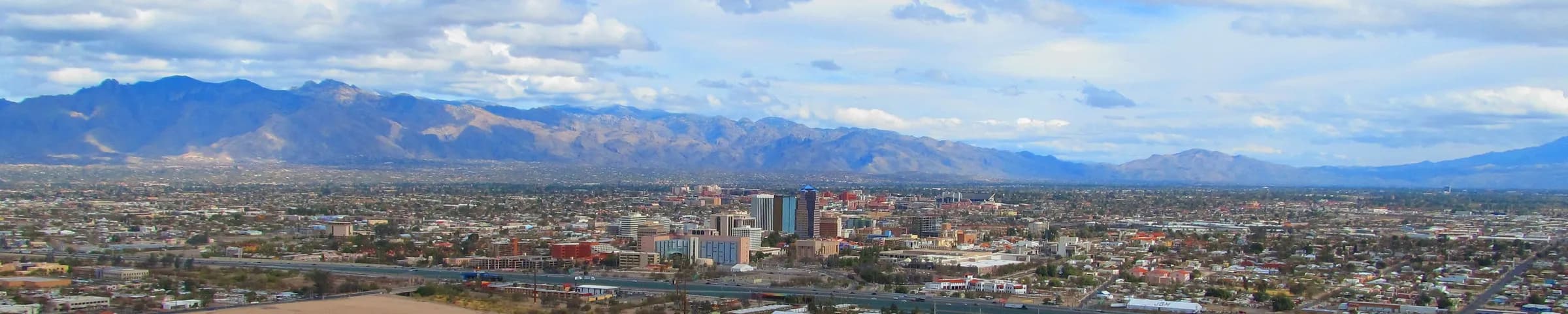
Photo: John Diebolt, Wikimedia Commons (CC0)

Henry Beam
Henry Beam · Former prosecutor · Founding attorney · Arizona attorney since 2009Meet Henry

Topic 01

Getting started

You do not need to know the legal label for your case before asking a question.

Explore the types of cases Henry handles

An injury alone does not establish a claim. Henry looks at what happened, evidence of responsibility, the harm involved, and potentially available insurance or other recovery sources. A free consultation helps identify what is known, what needs investigation, and whether the matter is a fit for the firm.

Yes. Henry considers smaller injury claims as well as serious and catastrophic injuries. The decision depends on the facts, evidence of responsibility, damages, and practical economics of the case—not just a label or a particular injury type.

If available, have the incident date and location, report number, insurance correspondence, and a brief account of the injury's effect on work and daily life. You do not need a complete file before reaching out. Keep initial texts and website messages brief; wait for instructions before sending sensitive records.

There is no reliable one-size-fits-all number. Henry considers responsibility for the incident, documented losses, the effects of the injury, and available recovery sources. An initial conversation may identify what information is missing; it does not guarantee a value or an outcome.

Topic 02

Fees and case expenses

The percentage, the trigger, and the difference between attorney fees and expenses.

Ask Henry about the written fee agreement

Beam Injury Law offers a free consultation. The contingency fee is 33⅓% of the gross amount recovered if the matter resolves at or before mediation or settlement conference, whether before or after a lawsuit is filed. Filing a lawsuit alone does not increase the fee. If the matter does not resolve at or before mediation or settlement conference, the fee is 40% of the gross amount recovered, even if it later settles without a trial. The 40% rate also applies if the matter proceeds to trial or arbitration or results in a verdict, award, or judgment. No attorney fee is owed if there is no recovery. Case costs and expenses are separate and remain the client's responsibility regardless of recovery. Review the written agreement for the full terms before signing.

No. Filing alone does not increase the fee. The 33⅓% rate applies if the matter resolves at or before mediation or settlement conference, even after a lawsuit has been filed. If it does not resolve at that stage, the fee becomes 40% of the gross recovery, including a later settlement without trial. The written agreement controls the full terms.

Yes. Case costs and expenses are separate from the contingency attorney fee. Under Henry's agreement, they remain the client's responsibility regardless of recovery. Before signing, review how expenses are incurred, advanced, and reimbursed, and ask about anything that is unclear.

Topic 03

Working with Henry

Direct contact and representation across Arizona.

Representation across Arizona

Call the main line at (480) 899-9019, text Henry directly at (602) 515-8707, or book a free consultation through the contact page. Henry is the lawyer you talk to, and he handles your case himself.

Yes. Text Henry at (602) 515-8707. Clients also receive his cell number. Keep initial messages brief and do not include sensitive documents. A text is not a guarantee of an immediate response.

Across Arizona. Henry handles injury cases from Mohave County to Tucson. His office is in Tempe, with meetings by appointment, and he meets clients in person around the state when a case calls for it.

Yes. Let the firm know that you prefer Spanish when you reach out. Confirm the language arrangements for your consultation and ongoing case communications before deciding to hire the firm.

Topic 04

Understanding the claim process

General background—not a determination of your rights, deadline, or likely outcome.

Learn about Henry's Arizona legal experience

A.R.S. § 12-542 generally sets a two-year period after a personal injury claim accrues. Accrual and exceptions depend on the circumstances. Claims involving public entities or employees generally have a 180-day notice requirement under § 12-821.01 and a one-year lawsuit period under § 12-821. Other rules can apply, so have the specific deadline reviewed promptly.

Partial fault does not necessarily prevent recovery. Under A.R.S. § 12-2505, damages may be reduced in proportion to the claimant's share of fault. Exceptions apply, including the statute's treatment of intentional, wilful, or wanton conduct. Henry can discuss how the facts and disputed responsibility affect the claim.

There is no fixed timeline. The evidence, medical information, disputed responsibility, insurance issues, negotiations, and any court schedule can affect the process. Henry can discuss the expected next steps as the facts become clearer, without promising a settlement date.

Not every claim requires a lawsuit or trial. Depending on the facts, a case may resolve through negotiation or mediation. If litigation is appropriate, Henry discusses the work involved, your possible participation, and the risks before deciding on a course of action with you.

The insurance company fights to pay less. Henry fights for more.

Check the source

Arizona law, directly from the source.

The answers above provide general background. The facts, type of claim, and applicable exceptions matter. These official statutes do not replace a review of your circumstances.

Government involvement can change both the notice and lawsuit deadlines. Do not assume the general two-year period applies to your claim.