
You hire me. You get me.
- You talk to the lawyer, not a case manager.
- His cell phone once you hire him.
- 17+ years in Arizona law, starting as a prosecutor.
- A straight answer from the start.

Representation across Arizona
Injured in Kingman, Payson, Safford, or Show Low? Henry Beam is a former prosecutor, licensed in Arizona since 2009, and he represents injured people in every county of the state. The consultation is free, and one lawyer handles your case from the first conversation on.
Prefer to write? Text Henry directly. Please keep initial messages brief and do not send sensitive records.
No attorney fee without a recovery. Case costs and expenses remain your responsibility regardless of recovery.
Photo: J550112, Wikimedia Commons (CC0)

At a glance
Quick answer
Henry Beam represents injured people in every Arizona county. He is a former prosecutor, licensed in Arizona since 2009, and has run his own practice since 2012. Henry handles each case himself: he takes the consultation, reads the records, negotiates with the insurer, and files suit when that is what the case needs. The consultation is free, and there is no attorney fee without a recovery. The firm is based in Tempe, with office meetings by appointment, and Henry meets clients around the state when a case calls for it. Court-specific rules on admission, venue, and attendance are reviewed for each case.
Across Arizona
With his practice based in Tempe, Henry Beam has traveled Arizona top to bottom and east to west for clients.
Henry handles each case himself: the consultation, the records, the negotiation with the insurer, and the lawsuit if one is needed. Clients get his personal cell number. The firm is based in Tempe, with office meetings by appointment, and Henry meets clients around the state when a case calls for it.
Meet Henry and review his backgroundStep by step
The same way he works with a client in Tempe. Here is what to expect from the first conversation on.
Call the main line, book a time on Henry's calendar, or text him directly. Henry hears what happened and gives you a straight answer about whether he can help.
If Henry takes the case, the contingency fee agreement is sent to you to review and sign. It spells out the fee, case expenses, and each side's responsibilities before you commit to anything.
Crash reports, medical records, billing, and insurance information: the firm requests them so you can focus on treatment. Henry reads the records himself.
Clients receive Henry's personal cell number and can text him. Updates come from the lawyer handling the case, not from a department.
If a fair resolution is not offered, Henry files in the appropriate court and prepares you for anything that requires your attendance. Where and when is planned with you.
The law
Arizona licenses lawyers for the whole state, so the choice of lawyer is yours. Four points of Arizona law that do matter:
An attorney licensed by the State Bar of Arizona may represent clients in any Arizona state court. The choice of lawyer is yours; weigh relevant experience and communication.
Henry Beam holds Arizona State Bar #026708. State, federal, and tribal courts have their own rules and admission requirements. The firm must confirm that it can handle the particular matter.
Jurisdiction and venue determine the appropriate court and location. Superior Court is not the only forum for civil injury claims; justice courts also hear civil matters within their jurisdiction.
Many Arizona injury actions have a two-year limitation after accrual. Public-entity or public-employee claims generally require notice within 180 days and suit within one year. Accrual, exceptions, and the applicable rules require case-specific review.
Legal references: Ariz. R. Sup. Ct. 31.1 (statewide authorization to practice law); Arizona court jurisdiction; A.R.S. § 12-542; § 12-821.01; § 12-821. General information, not a determination of the deadline or court for an individual case.
Before your free consultation
You do not need to know what your claim is worth or have every document ready. Henry considers smaller injury matters as well as serious injuries. Tell him what happened so he can discuss whether the firm can help.
The date, location, people involved, and report number if you have one.
A brief description of your injuries, treatment so far, and impact on work or daily life.
Any insurer, adjuster, or other attorney involved, and any offer or paperwork you received.
Your preferred phone number and a convenient time to talk.
These are topics for the consultation, not a request to upload records. Keep initial texts and website messages brief. Wait for instructions before sharing medical records, identification, or other sensitive documents.
No obligation to hire. Sending a message does not create an attorney-client relationship or mean the firm has accepted your case.
Rural cases
The law is the same in every county, but rural crashes tend to raise a few questions that metro cases do not:
On state highways the Arizona Department of Public Safety usually investigates; on county roads it is the sheriff; on tribal land it may be tribal police. Each agency keeps its own report, and knowing which one to request saves weeks.
I-40, I-10, I-8, US-93, and US-60 carry heavy freight traffic. A truck crash brings federal safety regulations, a corporate defendant, and electronic logging and event-data records that must be preserved early.
A crash caused by road design, signage, or maintenance on a state highway or county road may involve ADOT or the county — and with it the 180-day notice of claim in ARS § 12-821.01.
Seriously injured rural patients are often transported to trauma centers in Phoenix, Tucson, or Flagstaff, so treatment records sit with providers in several counties. Henry gathers them.
When the at-fault driver has little or no coverage, the injured person's own uninsured/underinsured motorist coverage may apply. Arizona insurers must offer UM/UIM coverage under ARS § 20-259.01, so reviewing the client's own policy is an early step.
A crash on tribal land can raise separate jurisdictional questions that need review at the start of the case.
Where clients are
Henry handles injury cases across Arizona. Each community below has its own guide.
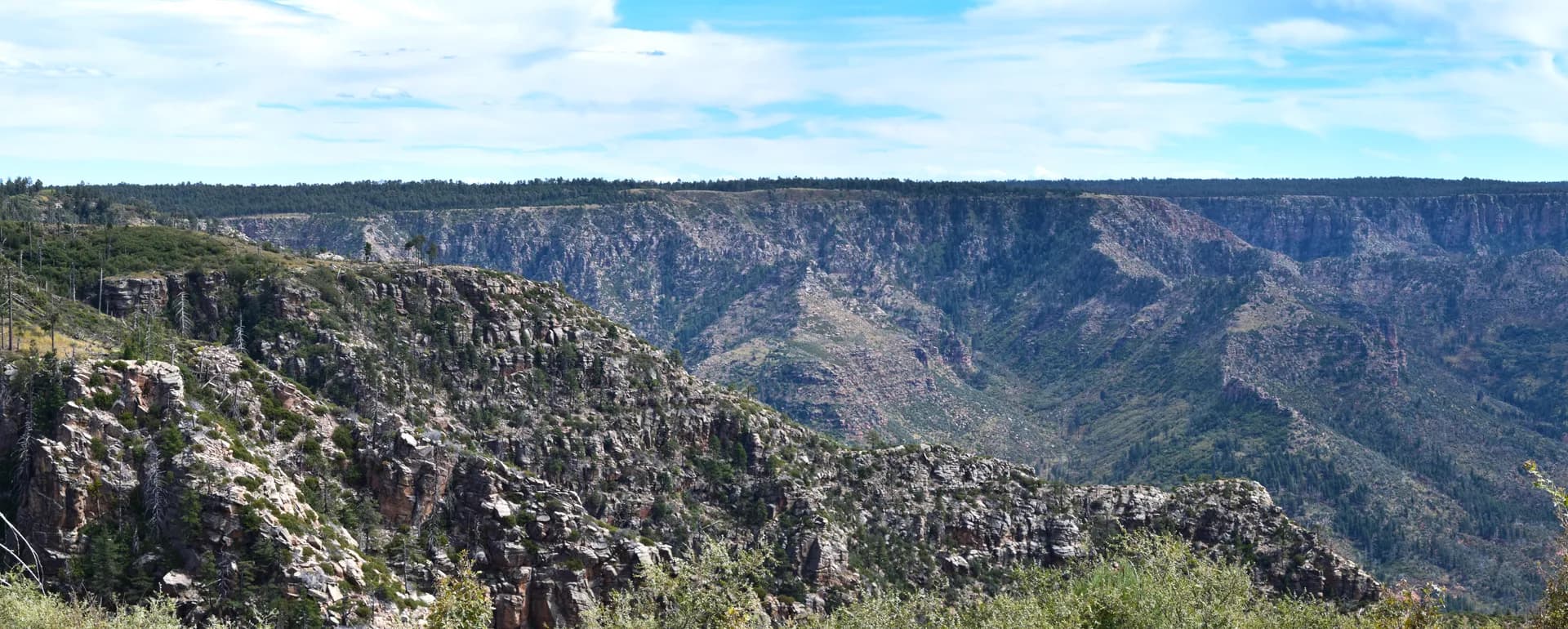
Mohave, Yuma, and La Paz counties — I-40, US-93, I-8, US-95, and the Colorado River communities.
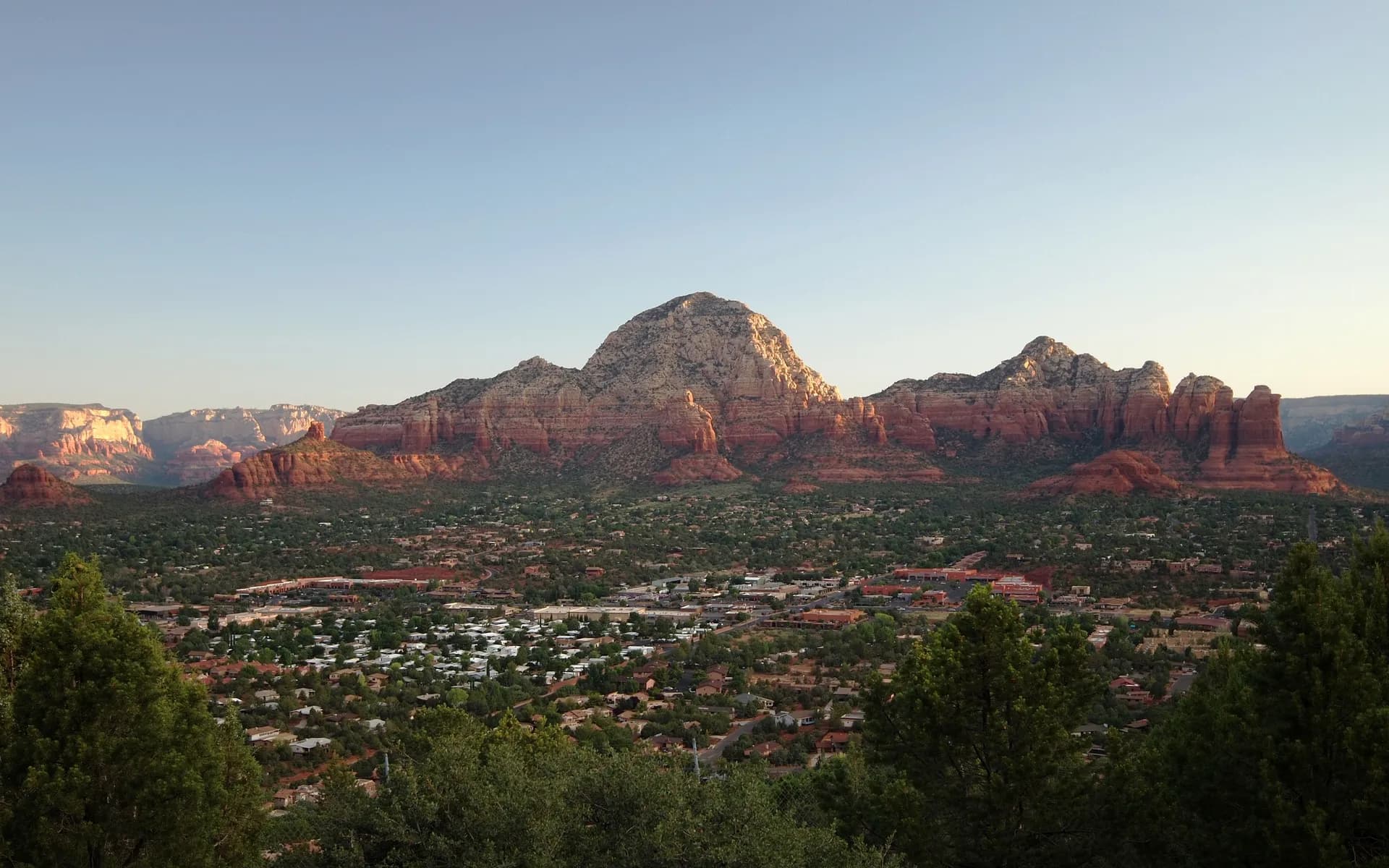
Coconino, Yavapai, Navajo, and Gila counties — I-17, I-40, SR-87, SR-260, and the high country.
Navajo, Gila, Graham, Greenlee, and Apache counties — US-60, US-70, US-191, and the White Mountains.
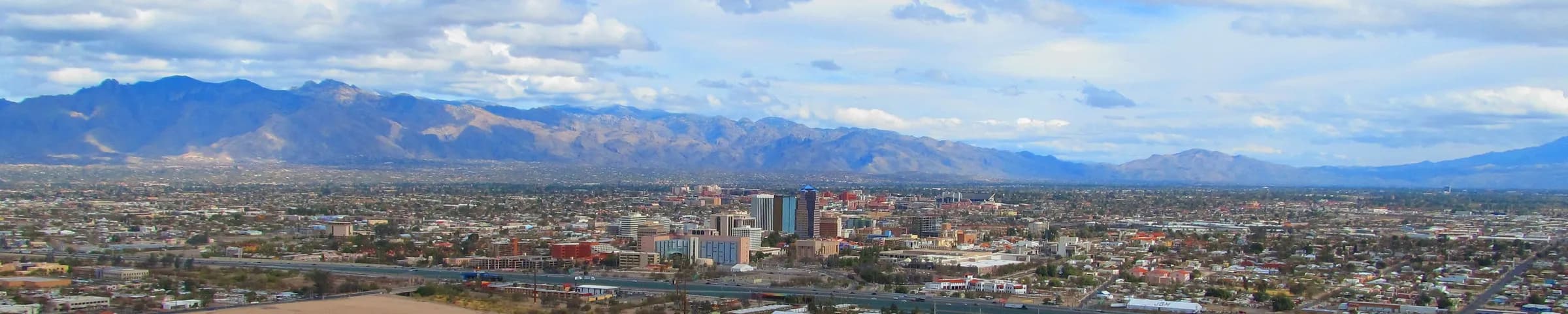
Pima, Cochise, and Santa Cruz counties — I-10, I-19, SR-80, and the border corridor.
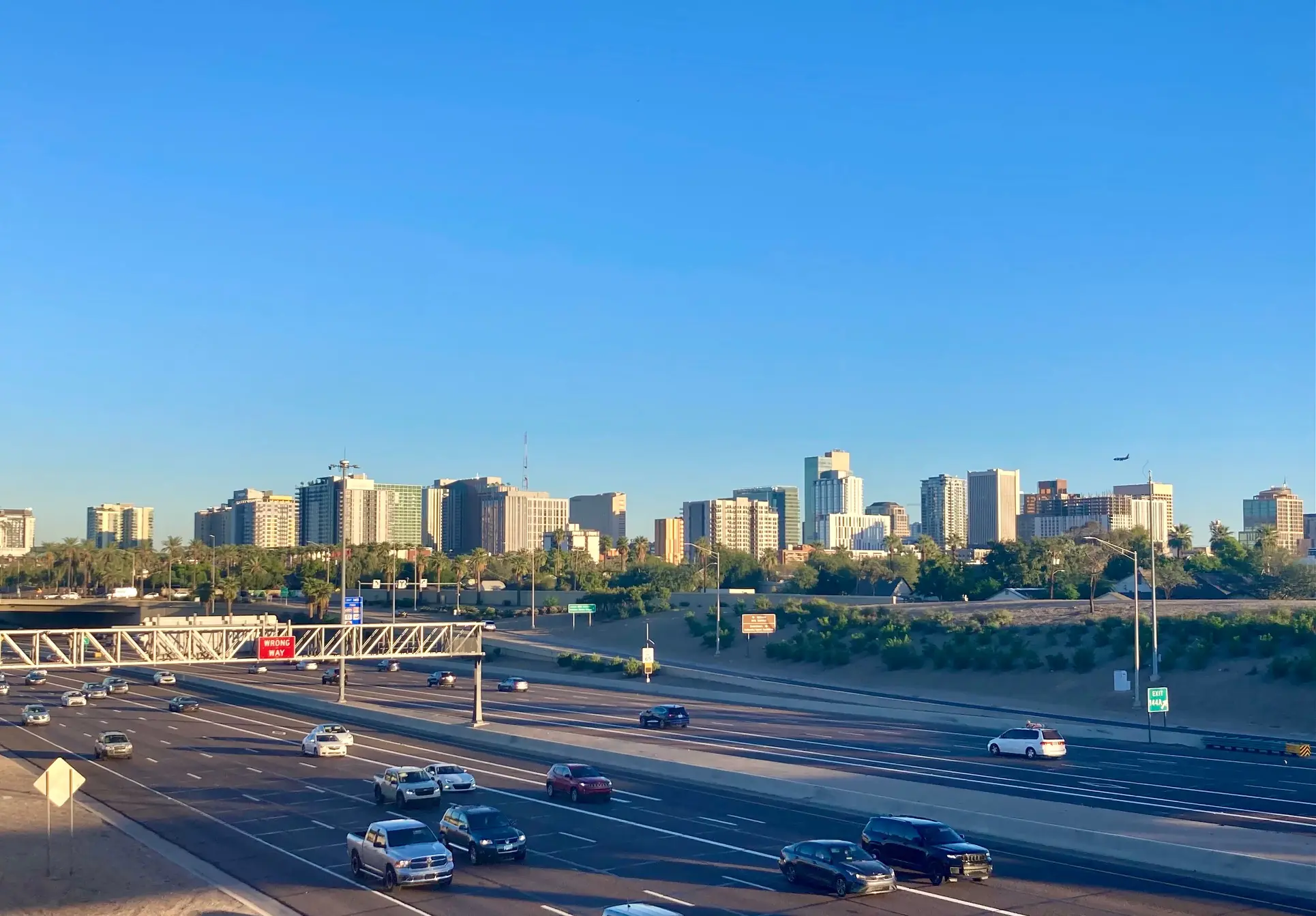
Maricopa and Pinal counties — I-10, I-17, US-60, and the Loop freeways.
Not listed? The firm handles cases from every Arizona community, not only the ones with a page. Browse all locations.
FAQ
Important deadlines
When the at-fault party may be a government entity — a city or county, a public school, a state agency, ADOT, a police or sheriff department, a public hospital, or a government-owned road or vehicle — Arizona imposes two deadlines that are much shorter than the general two-year period:
Missing the 180-day notice typically bars the claim entirely, regardless of how strong the case is. Accrual, exceptions, and notice requirements need case-specific review. Do not assume the incident date alone determines your deadline.
No fee unless we win, and the consultation is free.
No attorney fee without a recovery. Case costs and expenses remain your responsibility regardless of recovery.