Maria is an intake coordinator. She does not provide legal advice.
Crush injury
Typical Treatment
Emergency surgery to relieve pressure and restore blood flow, Wound cleaning and removal of damaged tissue, Oxygen therapy to help damaged tissues heal, Physical therapy to rebuild strength and movement, Occupational therapy to relearn daily tasks, Pain management with medications and other techniques
Recovery Timeline
Often several months to years, with minor cases taking weeks while severe muscle and nerve damage may require ongoing treatment
Common Accident Causes
Crush injuries typically occur when a vehicle's structure collapses inward during impact, trapping limbs, feet, or hands between twisted metal, dashboard components, or collapsed roof sections.
Impact Speed Range
May occur at speeds as low as 30-60+ mph
Common Collision Types
Head-on, Rollover, Side-impact
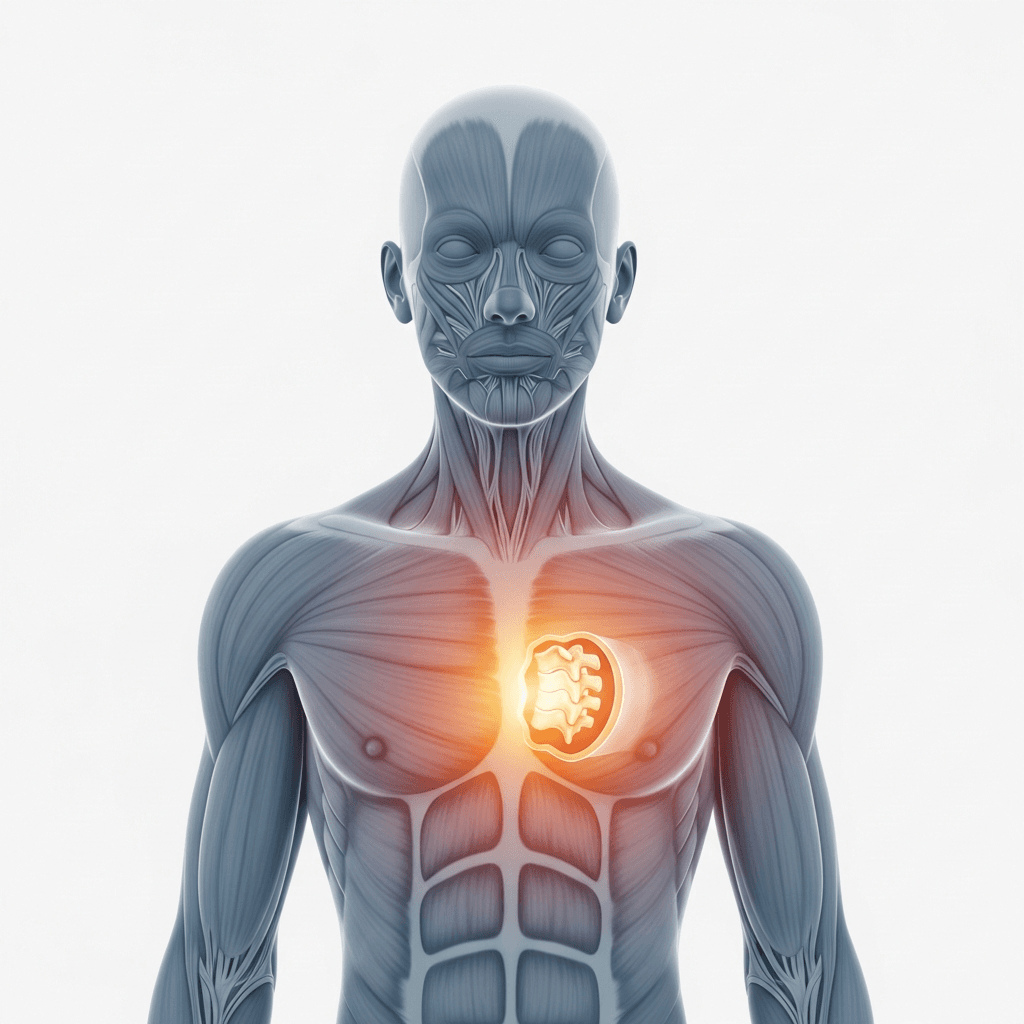
Crush injuries happen when tremendous force compresses body tissues beyond what they can handle. In car accidents, this often occurs during severe impacts where the vehicle's structure collapses inward, trapping limbs between twisted metal, dashboard components, or collapsed roof sections.
The crushing force damages multiple types of tissue at once. Muscles get squeezed and torn, bones may fracture, and blood vessels can be compressed or severed. Nerves often suffer damage from both the direct pressure and the lack of blood flow that follows.
What makes crush injuries particularly serious is that the damage can continue even after the crushing force is removed. When blood flow returns to compressed tissues, it can trigger additional complications as damaged muscle releases harmful substances into the bloodstream.
No upfront fees. No fee unless we recover money for you.
We'll get back to you as soon as possible.
(480) 899-9019 — free consultation
Treatment for crush injuries often begins with emergency surgery to relieve pressure and restore blood flow to damaged tissues. Doctors may need to make incisions to reduce swelling or remove sections of damaged muscle, bone, or other tissue that cannot heal.
Many people with crush injuries benefit from oxygen therapy, where they breathe pure oxygen in a special chamber to help damaged tissues heal more effectively. Pain management becomes crucial, as crush injuries can cause intense discomfort that lasts for months.
Rehabilitation typically involves both physical therapy to rebuild strength and movement, and occupational therapy to help people relearn daily activities. Some individuals may need assistive devices or modifications to their homes and workplaces. In severe cases, reconstructive surgery or prosthetic devices may become necessary.
One of the most serious complications is compartment syndrome, where swelling inside muscle compartments cuts off blood flow and can lead to permanent nerve damage or tissue death. This condition can develop hours or even days after the initial injury, making ongoing monitoring important.
Crush syndrome represents another significant concern, especially with severe injuries involving large amounts of muscle tissue. When damaged muscle releases certain substances into the bloodstream, it can affect kidney function and other vital organs. Some people experience long-term complications including chronic pain, reduced mobility, or the need for additional surgeries months or years later.
Clinical terminology for medical and legal professionals
Crush injuries result from the application of significant compressive forces to body tissues, typically causing damage to muscles, bones, blood vessels, and nerves. The pathophysiology involves direct tissue damage from mechanical compression, followed by potential complications including compartment syndrome, rhabdomyolysis, and acute kidney injury. Crush syndrome represents the systemic manifestation of severe crush injuries, characterized by the release of intracellular contents (particularly myoglobin, potassium, and phosphorus) into circulation following reperfusion of compressed tissues. This can lead to hyperkalemia, metabolic acidosis, and acute tubular necrosis. ICD-10 codes include T14.8 for crush injuries of unspecified body region, with specific anatomical codes ranging from S17.0 (crushing injury of larynx and trachea) to S97.8 (crushing injury of foot). Treatment may require fasciotomy for compartment syndrome, debridement of devitalized tissue, hyperbaric oxygen therapy, and aggressive fluid management to prevent renal complications.
Just been in an accident? See our step-by-step guide →
No upfront fees. No fee unless we recover money for you.
We'll get back to you as soon as possible.
(480) 899-9019 — free consultation
From the Blog: Learn more about protecting your rights in our Arizona injury law blog.
