Maria is an intake coordinator. She does not provide legal advice.
Foot fracture
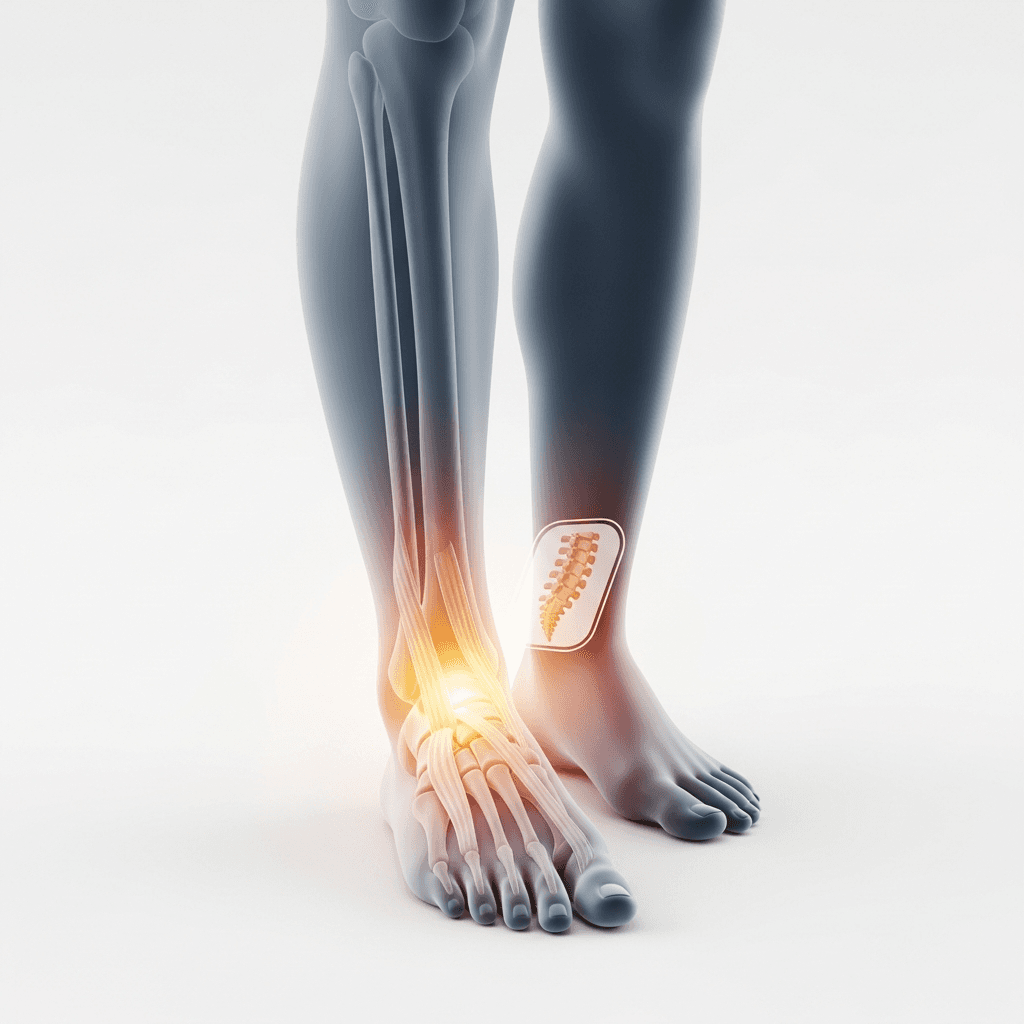
Typical Treatment
Immobilization with a cast, boot, or splint, Pain medication and anti-inflammatory drugs, Physical therapy to restore strength and movement, Surgery to realign and secure broken bones, Custom orthotics or special shoes
Recovery Timeline
Often 6-12 weeks for basic healing, though return to full activity may take 3-6 months depending on severity
Common Accident Causes
Foot fractures often occur when the foot is trapped under the brake pedal during impact, crushed by collapsing dashboard or floorboard materials, or twisted during the collision.
Impact Speed Range
May occur at speeds as low as 20-50+ mph
Common Collision Types
Head-on
Car accidents can cause foot fractures in several ways. The most common happens when a driver's foot is pressed hard against the brake pedal during impact. The sudden force can break bones in the top part of the foot (metatarsals) or the heel bone (calcaneus).
In severe crashes, the dashboard or floor area may collapse and crush the foot. This type of injury often affects multiple bones at once and can be quite serious. The foot may also get twisted or bent in an unnatural direction during the collision.
Passengers can suffer similar injuries if their feet are braced against the floor during impact. The force travels up through the foot and can cause fractures anywhere from the toes to the heel. Side-impact crashes sometimes cause feet to strike the door or center console with enough force to break bones.
No upfront fees. No fee unless we recover money for you.
We'll get back to you as soon as possible.
(480) 899-9019 — free consultation
Treatment for foot fractures often starts with immobilization. Doctors frequently use a walking boot, cast, or splint to keep the bones in place while they heal. The specific type depends on which bones are broken and how severely.
For more complex fractures, surgery may be necessary. Surgeons can realign the bones and secure them with metal plates, screws, or pins (open reduction and internal fixation). This helps ensure the bones heal in the correct position and the foot maintains its normal shape.
Physical therapy usually becomes important once the initial healing begins. Therapists help restore strength, flexibility, and normal walking patterns. Some people may need special shoes or custom inserts (orthotics) to support the foot properly as it heals and afterward.
Sometimes foot fractures are more serious than they initially appear. Multiple small fractures might be missed on the first X-rays, or the injury might disrupt important joints in the foot. This can lead to ongoing pain, stiffness, and difficulty walking normally even after the bones heal.
Another concern is when the blood supply to part of the foot gets damaged during the injury. This can slow healing significantly and sometimes requires additional surgery. Some people develop chronic pain or arthritis in the affected joints months or years later, especially if the fracture involved a joint surface.
Clinical terminology for medical and legal professionals
A foot fracture involves a break or crack in one or more of the 26 bones comprising the foot structure, including the metatarsals, tarsals, phalanges, calcaneus, talus, navicular, cuboid, and cuneiform bones. Common fracture patterns include metatarsal shaft fractures (ICD-10: S92.3), calcaneal fractures (ICD-10: S92.0), and phalangeal fractures (ICD-10: S92.5). The mechanism typically involves axial loading, crush injuries, or hyperflexion/hyperextension forces. Treatment may range from conservative immobilization with controlled ankle motion (CAM) boots or short leg casts to surgical intervention including open reduction and internal fixation (ORIF) with plates, screws, or intramedullary devices. Complications can include malunion, nonunion, post-traumatic arthritis, compartment syndrome, and chronic pain syndromes.
Just been in an accident? See our step-by-step guide →
No upfront fees. No fee unless we recover money for you.
We'll get back to you as soon as possible.
(480) 899-9019 — free consultation
From the Blog: Learn more about protecting your rights in our Arizona injury law blog.
