Maria is an intake coordinator. She does not provide legal advice.
Friction burn
Typical Treatment
Cleaning and bandaging the wound to prevent infection, Antibiotic ointments to promote healing, Pain medication to manage discomfort, Surgical removal of damaged tissue for deeper burns, Skin grafts to cover large or deep burn areas, Physical therapy to prevent scarring from limiting movement
Recovery Timeline
Often 3 days to 2 weeks for surface burns, though deeper friction burns may take several months and require multiple procedures
Common Accident Causes
Friction burns in car accidents typically occur when people slide across rough surfaces like pavement after being ejected, or when they're dragged against abrasive materials inside the vehicle during the crash.
Impact Speed Range
May occur at speeds as low as 15-60+ mph
Common Collision Types
Rollover, Sideswipe
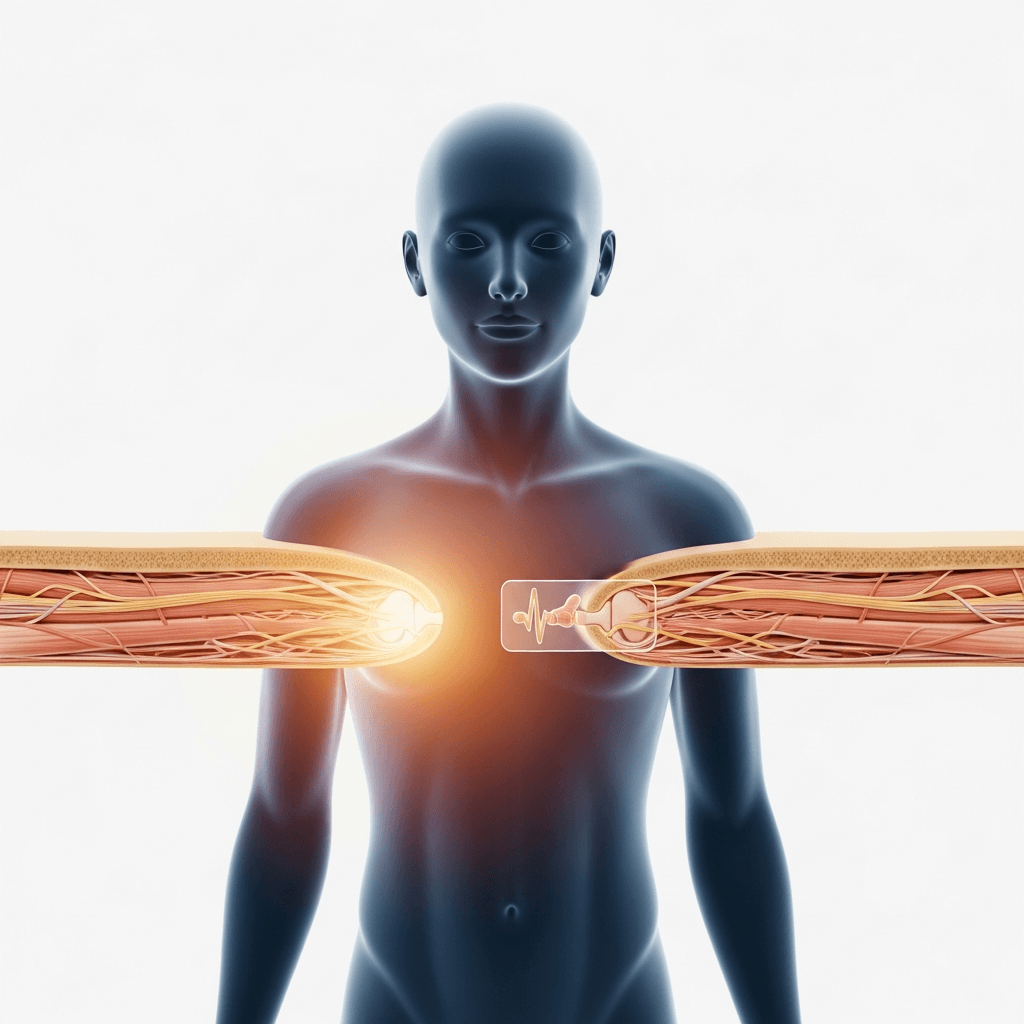
Friction burns happen when skin slides across a rough surface with enough force and speed to generate heat. In car accidents, this often occurs when people are thrown from vehicles and skid across pavement, or when they slide against abrasive interior surfaces during the crash.
The faster and longer the sliding motion, the more heat builds up between the skin and surface. This heat literally burns the tissue, similar to how rubbing sticks together can start a fire. Road surfaces are particularly damaging because asphalt and concrete are very rough and can strip away multiple layers of skin.
Deeper friction burns can happen when heavy objects pin someone against a moving surface, or when seat belts or clothing create sustained friction during a crash. The combination of pressure, movement, and rough textures can cause burns that go well beyond the skin's surface.
No upfront fees. No fee unless we recover money for you.
We'll get back to you as soon as possible.
(480) 899-9019 — free consultation
Treatment for friction burns depends on how deep the damage goes. Surface burns are often treated with thorough cleaning, antibiotic ointments, and protective bandaging that gets changed daily. Keeping the wound moist and covered helps it heal faster and reduces scarring.
Deeper friction burns may require surgical treatment. Doctors sometimes need to remove damaged tissue (debridement) to prevent infection and promote healing. For large or very deep burns, skin grafts may be necessary to cover the area with healthy skin taken from another part of the body.
Pain management is an important part of treatment, especially for larger burns. Physical therapy may also be needed if the burn crosses joints or if scar tissue begins to limit normal movement. The goal is to restore both function and appearance as much as possible.
The main concern with friction burns is infection, especially if dirt or debris got ground into the wound during the accident. Signs of infection include increasing redness, warmth, pus, red streaking, or fever. Infected burns take much longer to heal and can lead to more serious complications.
Scarring is another potential complication, particularly with deeper burns. Thick scar tissue can form that may be permanently discolored, raised, or tight enough to limit movement. Burns that cross joints are especially prone to creating scar tissue that restricts normal motion, sometimes requiring additional surgery or ongoing physical therapy to maintain function.
Clinical terminology for medical and legal professionals
Friction burns are thermal injuries caused by mechanical friction between the skin and an abrasive surface, generating sufficient heat to cause tissue damage. These injuries range from superficial epidermal damage (first-degree) to full-thickness burns extending through the dermis and into subcutaneous tissue (third-degree). In motor vehicle accidents, friction burns commonly occur when occupants are ejected or dragged across asphalt, resulting in characteristic linear abrasion patterns. The severity depends on the coefficient of friction, contact pressure, duration of contact, and surface temperature generated. Deep friction burns may require debridement, split-thickness skin grafting, or flap coverage. ICD-10 codes include T20-T32 series depending on location and severity. Complications include infection, hypertrophic scarring, contractures, and in severe cases, compartment syndrome.
Just been in an accident? See our step-by-step guide →
No upfront fees. No fee unless we recover money for you.
We'll get back to you as soon as possible.
(480) 899-9019 — free consultation
From the Blog: Learn more about protecting your rights in our Arizona injury law blog.
