Maria is an intake coordinator. She does not provide legal advice.
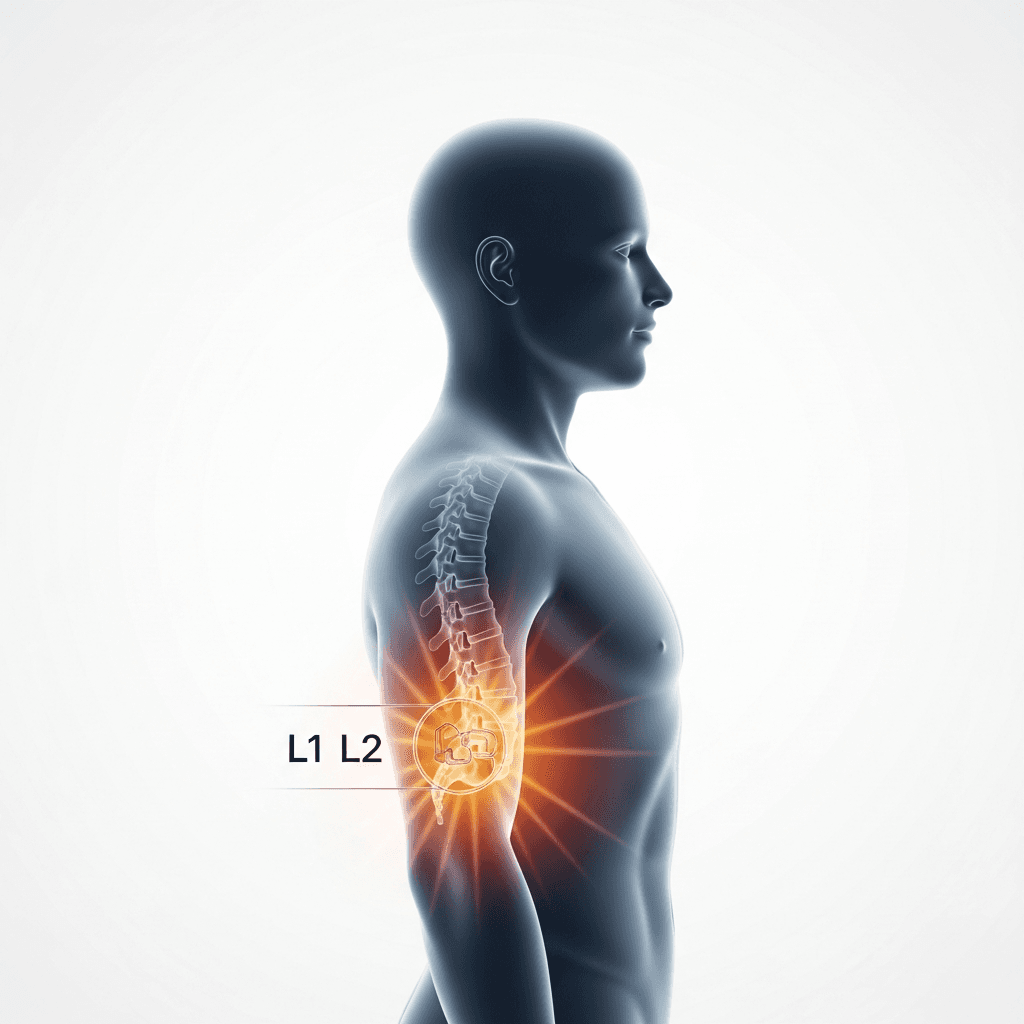
Lumbar muscle strain
Typical Treatment
Rest and activity modification to avoid movements that worsen pain, Ice therapy in the first few days, followed by heat therapy, Physical therapy to rebuild strength and improve flexibility, Anti-inflammatory medications to reduce pain and swelling, Muscle relaxants for severe muscle spasms, Massage therapy to relieve muscle tension
Recovery Timeline
Often 2-6 weeks for basic healing, though some people may need several months to fully return to normal activities
Common Accident Causes
Lumbar strains often happen when the sudden impact forces the lower back to twist, bend, or extend beyond its normal range, commonly during rear-end collisions or side impacts.
Impact Speed Range
May occur at speeds as low as 10-30+ mph
Common Collision Types
Rear-end, Head-on
During a car accident, the lower back muscles can get injured when the body is thrown in unexpected directions. Rear-end collisions often cause the spine to whip back and forth, forcing the lumbar muscles to stretch beyond their limits. The muscles and tendons that support the lower spine can develop small tears when they're forced to contract suddenly to protect the back from injury.
Side-impact crashes can cause the body to twist unnaturally, putting stress on the muscles that run along the spine. Even seemingly minor accidents can cause lumbar strains because the back muscles often tense up during the moment of impact, making them more vulnerable to injury.
The lower back bears much of the body's weight and is already working hard during normal activities. When the sudden forces of a car accident are added to this existing stress, even strong, healthy muscles can become strained or partially torn.
No upfront fees. No fee unless we recover money for you.
We'll get back to you as soon as possible.
(480) 899-9019 — free consultation
Most lumbar strains start healing with conservative treatments that focus on reducing pain and inflammation. Doctors often recommend a brief period of rest, followed by gentle movement to prevent stiffness. Ice therapy can help reduce swelling in the first few days, while heat therapy later on can relax tight muscles and improve blood flow to the injured area.
Physical therapy often becomes an important part of recovery, helping people regain strength and flexibility in their lower back. Therapists teach exercises that target the specific muscles that support the spine, as well as techniques for moving safely during daily activities. Anti-inflammatory medications can help manage pain and reduce swelling around the injured muscles.
For more severe strains with significant muscle spasms, doctors might prescribe muscle relaxants for short-term relief. Massage therapy can also help relieve muscle tension and improve healing. Most people find that a combination of these treatments helps them return to their normal activities, though recovery timelines can vary significantly from person to person.
While most lumbar strains heal well with proper care, some people may experience lingering problems if the injury was more severe than initially apparent. Untreated or inadequately treated strains can sometimes lead to chronic lower back pain, where the muscles remain tight and painful for months. The injured area may also become more vulnerable to future injuries, especially if people return to normal activities before the muscles have fully healed.
In some cases, persistent muscle tension and guarding can affect the way people move, potentially leading to problems in other areas of the back or hips. Severe strains might also involve deeper tissues or put pressure on nearby nerves, causing pain that radiates into the buttocks or legs. Stress and anxiety about the injury can sometimes make muscle tension worse, slowing down the natural healing process.
Clinical terminology for medical and legal professionals
Lumbar strain refers to injury of the muscles and/or tendons in the lower back region, specifically affecting the paraspinal musculature of the lumbar spine (L1-L5 vertebral levels). This condition involves microscopic tears in muscle fibers or tendon attachments, often accompanied by localized inflammation and muscle spasm. The injury typically affects the erector spinae, multifidus, or quadratus lumborum muscles. Clinical presentation includes point tenderness over the affected musculature, possible lateral spinal deviation due to protective muscle guarding, and restricted range of motion in lumbar flexion, extension, and rotation. ICD-10 classification includes S39.012A (strain of muscle, fascia and tendon of lower back, initial encounter). Diagnostic imaging may reveal muscle edema or hematoma formation, though clinical diagnosis is often sufficient. The condition generally follows a favorable prognosis with conservative management, though risk factors for chronicity include obesity, smoking, psychological factors, and occupational demands involving repetitive lifting or prolonged static postures.
Just been in an accident? See our step-by-step guide →
No upfront fees. No fee unless we recover money for you.
We'll get back to you as soon as possible.
(480) 899-9019 — free consultation
From the Blog: Learn more about protecting your rights in our Arizona injury law blog.
