Maria is an intake coordinator. She does not provide legal advice.
Peripheral neuropathy
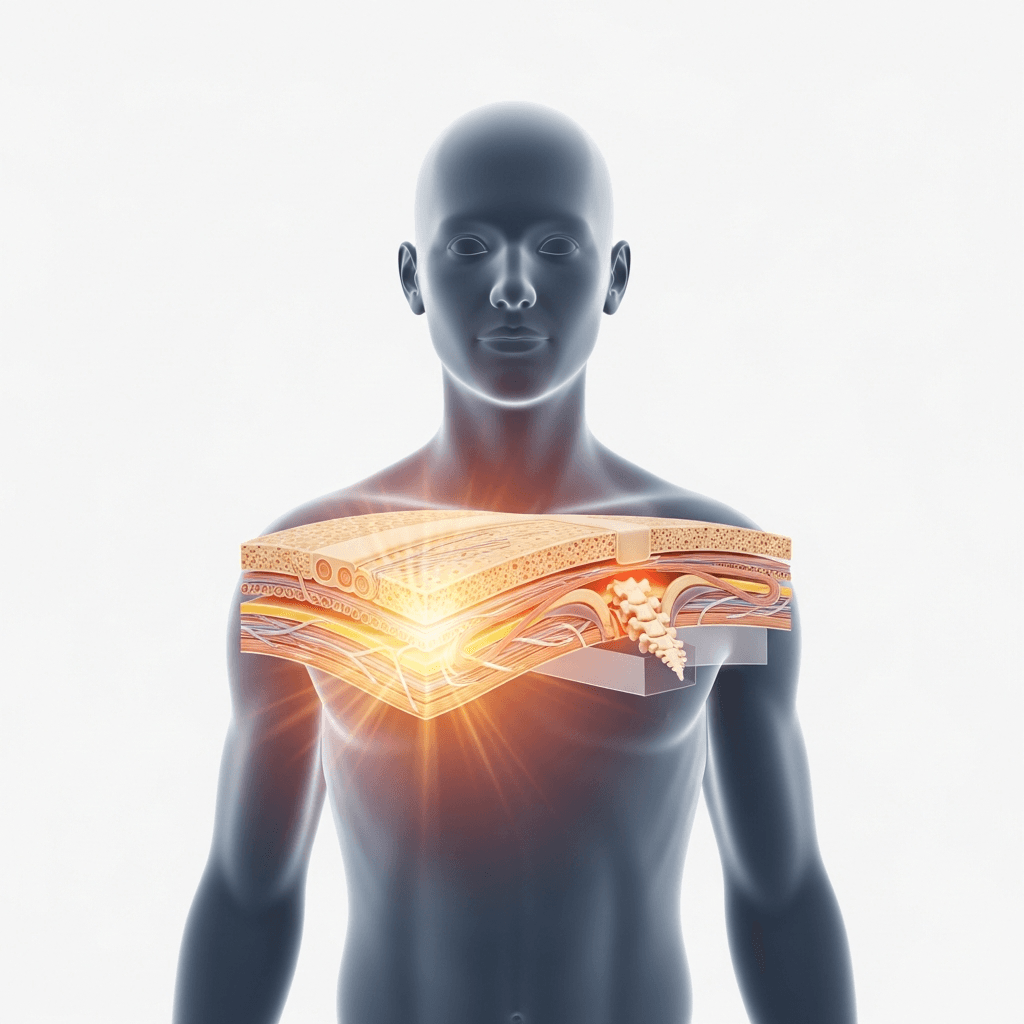
Typical Treatment
Medications to control nerve pain and reduce inflammation, Physical therapy to maintain muscle strength and prevent stiffness, Occupational therapy to help adapt daily activities, Nerve blocks or injections to reduce pain signals, Surgery to repair severely damaged nerves, Electrical stimulation therapy to promote nerve healing
Recovery Timeline
Often 3 months to a year, though mild nerve damage may heal in weeks while severe cases can take much longer or cause permanent changes
Common Accident Causes
Car accidents can stretch, crush, or tear nerves when the body is thrown around during impact, twisted unnaturally, or compressed by wreckage.
Impact Speed Range
May occur at speeds as low as 15-50+ mph
Common Collision Types
All types
When a car crashes, the sudden forces can stretch, crush, or tear the delicate nerve fibers throughout the body. Nerves are like electrical cables with protective coating - they can get damaged when the body is thrown against parts of the car, twisted beyond normal range of motion, or compressed under heavy objects.
High-speed impacts often cause nerve damage in the arms and legs when limbs are thrown around violently. The neck and back are particularly vulnerable because these areas contain major nerve pathways that branch out to the rest of the body. Even seemingly minor accidents can damage smaller nerves near the surface of the skin.
The damage may not always show up right away. Sometimes nerves get irritated and swollen after an accident, gradually causing more problems as the swelling presses on the nerve fibers over days or weeks.
No upfront fees. No fee unless we recover money for you.
We'll get back to you as soon as possible.
(480) 899-9019 — free consultation
Doctors often start with medications designed specifically for nerve pain, which work differently than regular pain relievers. These medicines help calm down overactive nerve signals that cause burning, shooting, or electric-shock sensations. Anti-inflammatory drugs may also help reduce swelling around damaged nerves.
Physical therapy plays an important role in nerve damage recovery. Therapists use specific exercises to maintain muscle strength and prevent joints from getting stiff while nerves heal. They may also use techniques like electrical stimulation or ultrasound therapy to encourage nerve regeneration and reduce pain.
For more severe cases, doctors might recommend nerve blocks (injections that temporarily stop pain signals) or even surgery to repair badly damaged nerves. The treatment approach depends on which nerves are affected, how severely they're damaged, and how well someone responds to initial treatments.
Some nerve damage can worsen over time if the injured nerves don't heal properly or if ongoing swelling continues to press on healthy nerve tissue. What starts as mild tingling might develop into chronic pain or significant weakness that affects daily activities like gripping objects or walking steadily.
In more serious cases, nerve damage can become permanent, leading to long-term numbness, muscle weakness, or chronic pain conditions. This is why many doctors emphasize starting treatment early - nerves have the best chance of healing when treatment begins soon after the injury occurs.
Clinical terminology for medical and legal professionals
Peripheral nerve damage, or traumatic peripheral neuropathy, occurs when trauma disrupts the structure and function of peripheral nerves outside the brain and spinal cord. This includes damage to motor nerves (controlling muscle movement), sensory nerves (transmitting sensation), and autonomic nerves (controlling involuntary functions). Traumatic nerve injuries are classified as neurapraxia (temporary conduction block), axonotmesis (axonal damage with intact nerve sheath), or neurotmesis (complete nerve transection). The condition often involves multiple nerve fiber types, resulting in mixed motor, sensory, and sometimes autonomic dysfunction. ICD-10 codes include S04 (injury of cranial nerves), S14 (injury of nerves at neck level), S24 (injury of nerves at thorax level), S34 (injury of nerves at abdomen/pelvis level), S44 (injury of nerves at shoulder/upper arm), S54 (injury of nerves at forearm), S64 (injury of nerves at wrist/hand), S74 (injury of nerves at hip/thigh), S84 (injury of nerves at lower leg), and S94 (injury of nerves at ankle/foot level).
Just been in an accident? See our step-by-step guide →
No upfront fees. No fee unless we recover money for you.
We'll get back to you as soon as possible.
(480) 899-9019 — free consultation
From the Blog: Learn more about protecting your rights in our Arizona injury law blog.
