Maria is an intake coordinator. She does not provide legal advice.
Post-Traumatic Stress Disorder
Typical Treatment
Talk therapy to process the trauma and develop coping strategies, Medication to help manage anxiety and depression symptoms, EMDR therapy to help the brain process traumatic memories, Exposure therapy to gradually reduce fear of driving or being in cars, Support groups with others who've experienced similar trauma
Recovery Timeline
Often several months to a few years, though some people see improvement within weeks while others may need longer-term treatment
Common Accident Causes
PTSD develops when a car accident creates an overwhelming sense of terror, helplessness, or life-threatening danger that the mind struggles to process normally.
Impact Speed Range
May occur at speeds as low as Any speed
Common Collision Types
All types
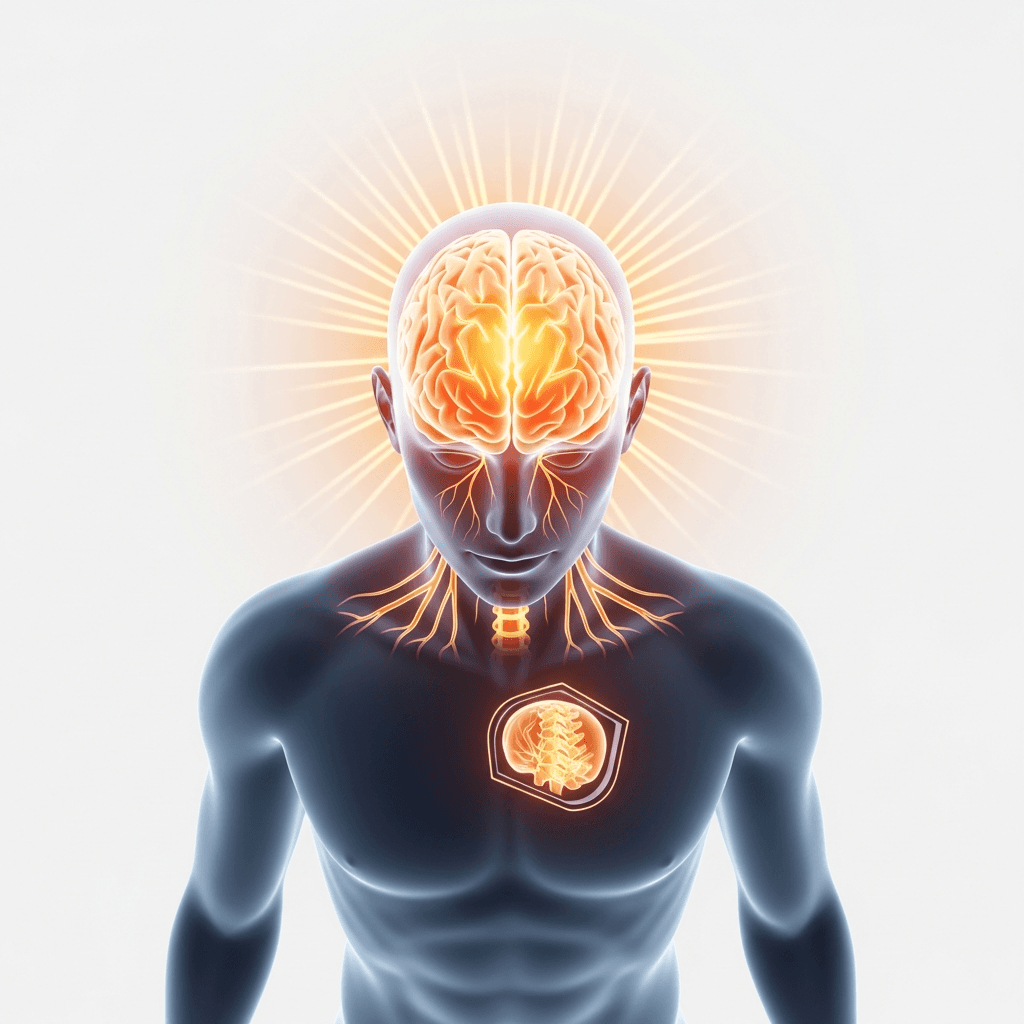
When someone experiences a terrifying car accident, their brain's alarm system can get stuck in the 'on' position. The mind tries to protect itself by constantly replaying the danger, even when the person is completely safe. This happens because the brain's fear center (amygdala) becomes overactive while the thinking part of the brain struggles to make sense of what happened.
The brain essentially learns that cars and driving are extremely dangerous, even in normal situations. This creates a cycle where everyday driving triggers the same fear response as the original accident. The nervous system stays on high alert, watching for threats that may not actually exist.
Not everyone who experiences a car accident develops PTSD. Factors like the severity of the crash, whether someone was seriously injured, and the person's previous experiences with trauma can all influence whether PTSD develops. Some people's brains are simply more sensitive to processing traumatic events.
No upfront fees. No fee unless we recover money for you.
We'll get back to you as soon as possible.
(480) 899-9019 — free consultation
Mental health professionals often use specialized talk therapy approaches designed specifically for trauma. These therapies help people process what happened and teach the brain that it's safe to stop sounding the alarm constantly. EMDR (Eye Movement Desensitization and Reprocessing) uses guided eye movements while recalling the accident to help the brain file the memory properly.
Doctors sometimes prescribe medications that help calm the overactive fear response in the brain. Anti-anxiety medications and antidepressants can provide relief while someone works through therapy. These medications help stabilize mood and reduce the intensity of flashbacks and panic attacks.
Gradual exposure therapy helps people slowly return to driving or riding in cars without overwhelming fear. This might start with just sitting in a parked car and gradually progress to short drives in safe areas. Support groups connect people with others who understand what they're going through, which can be incredibly healing.
Sometimes PTSD symptoms can worsen over time if the brain doesn't get help processing the trauma. People may develop additional anxiety disorders or depression alongside their accident-related PTSD. The fear can expand beyond just driving to include other situations that feel dangerous or out of control.
Without treatment, PTSD can significantly impact relationships, work performance, and overall quality of life. Some people begin avoiding more and more situations, which can lead to isolation and make the condition harder to treat. Early intervention with qualified mental health professionals often leads to better outcomes and faster recovery.
Clinical terminology for medical and legal professionals
Post-Traumatic Stress Disorder (PTSD) following motor vehicle accidents is a trauma- and stressor-related disorder classified under ICD-10 code F43.10. The condition develops when an individual experiences or witnesses a motor vehicle collision involving actual or threatened death, serious injury, or perceived threat to physical integrity. The neurobiological response involves dysregulation of the hypothalamic-pituitary-adrenal axis and alterations in neurotransmitter systems, particularly norepinephrine, serotonin, and GABA. Clinical presentation includes intrusive re-experiencing symptoms (flashbacks, nightmares), avoidance behaviors, negative alterations in cognition and mood, and hyperarousal symptoms. Diagnosis requires symptom duration exceeding one month with clinically significant impairment in social, occupational, or other important areas of functioning. Treatment typically involves evidence-based psychotherapeutic interventions such as Trauma-Focused Cognitive Behavioral Therapy (TF-CBT), Eye Movement Desensitization and Reprocessing (EMDR), and Prolonged Exposure Therapy, often combined with selective serotonin reuptake inhibitors (SSRIs) or serotonin-norepinephrine reuptake inhibitors (SNRIs) when pharmacological intervention is indicated.
Just been in an accident? See our step-by-step guide →
No upfront fees. No fee unless we recover money for you.
We'll get back to you as soon as possible.
(480) 899-9019 — free consultation
From the Blog: Learn more about protecting your rights in our Arizona injury law blog.
