Maria is an intake coordinator. She does not provide legal advice.
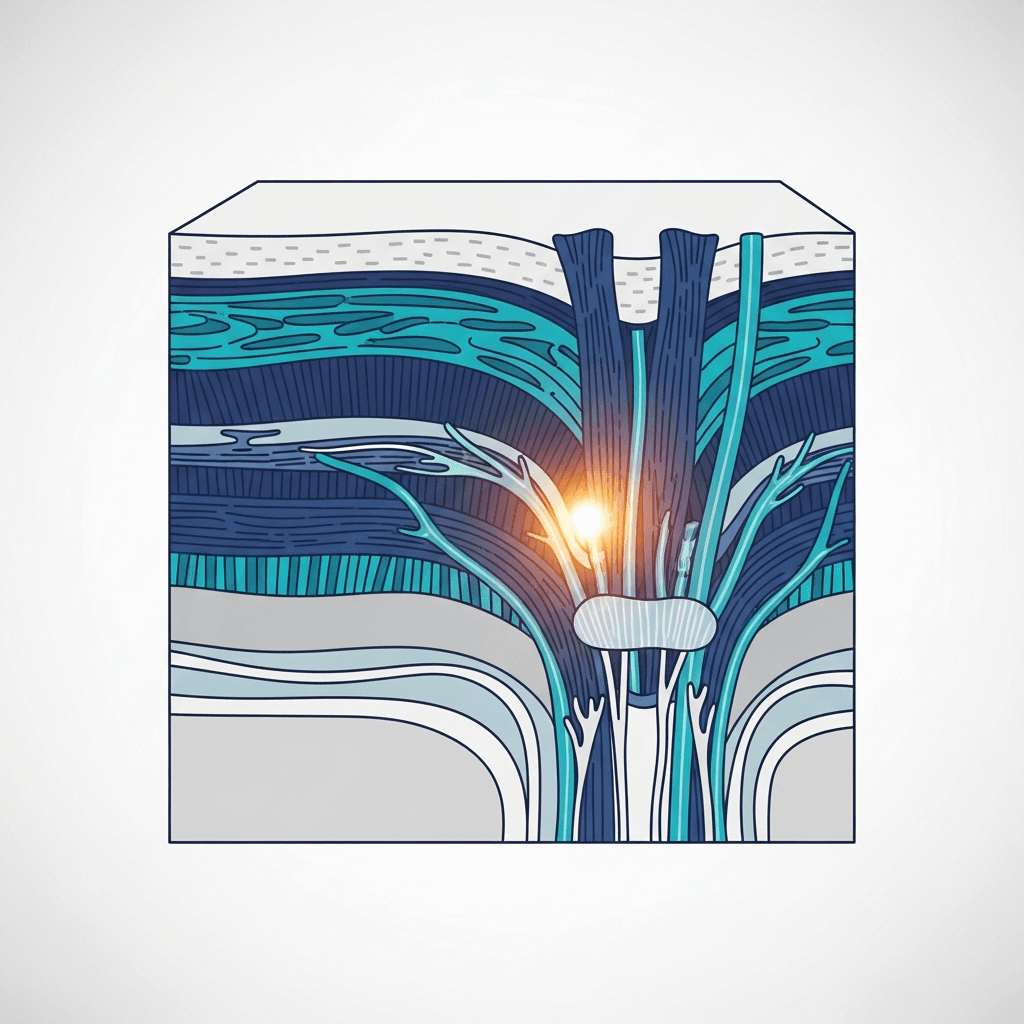
Thermal burn injury
Typical Treatment
Cool water application to stop the burning process, Pain medication to manage discomfort, Specialized burn dressings to protect healing skin, Physical therapy to prevent scarring and maintain movement, Surgery to remove damaged tissue or skin grafting for severe burns, Occupational therapy to regain function in daily activities
Recovery Timeline
Often 2-8 weeks for minor burns, though severe burns may require months or years of treatment and rehabilitation
Common Accident Causes
Thermal burns in car accidents typically occur when hot engine parts, exhaust systems, or radiator fluid contact the skin, or when fires ignite after impact.
Impact Speed Range
May occur at speeds as low as Any speed
Common Collision Types
Head-on, Rollover
Thermal burns in car accidents often happen when people come into contact with hot engine components after a crash. The radiator, exhaust manifold, or other heated metal parts can reach temperatures high enough to cause immediate tissue damage. Steam from a damaged radiator or hot fluids like coolant and oil can also cause burns when they spray onto exposed skin.
Post-accident fires create another mechanism for thermal injury. When fuel ignites or electrical systems short-circuit, the resulting flames and heated air can cause burns even without direct contact. The confined space of a vehicle can trap hot gases and increase the severity of thermal injuries.
The extent of thermal damage depends on the temperature of the heat source, how long the contact lasts, and which part of the body is affected. Areas with thinner skin, like the face and hands, often sustain more severe burns from the same heat exposure than areas with thicker skin.
No upfront fees. No fee unless we recover money for you.
We'll get back to you as soon as possible.
(480) 899-9019 — free consultation
Treatment for thermal burns typically starts with cooling the burned area to stop ongoing tissue damage. Medical professionals often use cool water or special cooling gels, avoiding ice which can cause additional injury. Pain management becomes a priority since burns can cause significant discomfort that may last weeks or months.
For deeper burns, doctors may need to remove damaged tissue (debridement) and apply specialized dressings that promote healing while preventing infection. Severe burns sometimes require skin grafting, where healthy skin from another part of the body is transplanted to cover the burned area.
Physical therapy often plays a crucial role in recovery, especially for burns near joints. Therapists help maintain range of motion and prevent the formation of tight scar tissue that could limit movement. Some people also need occupational therapy to relearn daily activities or adapt to any permanent changes in function.
Burns can sometimes be more serious than they initially appear. What looks like a minor injury on the surface may have caused deeper tissue damage that becomes apparent days later. The burned area may continue to worsen due to inflammation and reduced blood flow to the injured tissue.
Infection represents another significant concern with thermal burns. When the skin's protective barrier is damaged, bacteria can enter and cause local infection or even life-threatening blood poisoning (sepsis). Additionally, severe burns can lead to excessive scarring that restricts movement, potentially requiring additional surgery to restore function. Some people also develop lasting psychological effects from the trauma of being burned in an accident.
Clinical terminology for medical and legal professionals
Thermal burns represent tissue injury caused by contact with heat sources that elevate skin and underlying tissue temperature beyond cellular tolerance, resulting in coagulation necrosis and cell death. Classification follows depth of injury: superficial (first-degree) burns involve only the epidermis; partial-thickness (second-degree) burns extend into the dermis with subclassification as superficial or deep partial-thickness; full-thickness (third-degree) burns destroy epidermis, dermis, and may involve subcutaneous tissue. Severity assessment requires evaluation of total body surface area (TBSA) involvement, anatomical location, patient age, and presence of inhalation injury. Pathophysiology involves immediate tissue destruction followed by inflammatory cascade with increased capillary permeability, edema formation, and potential for progressive tissue loss. Complications include compartment syndrome, infection, sepsis, hypovolemic shock, and long-term contractures requiring comprehensive burn management protocols.
Just been in an accident? See our step-by-step guide →
No upfront fees. No fee unless we recover money for you.
We'll get back to you as soon as possible.
(480) 899-9019 — free consultation
From the Blog: Learn more about protecting your rights in our Arizona injury law blog.
