Maria is an intake coordinator. She does not provide legal advice.
Tibial fracture
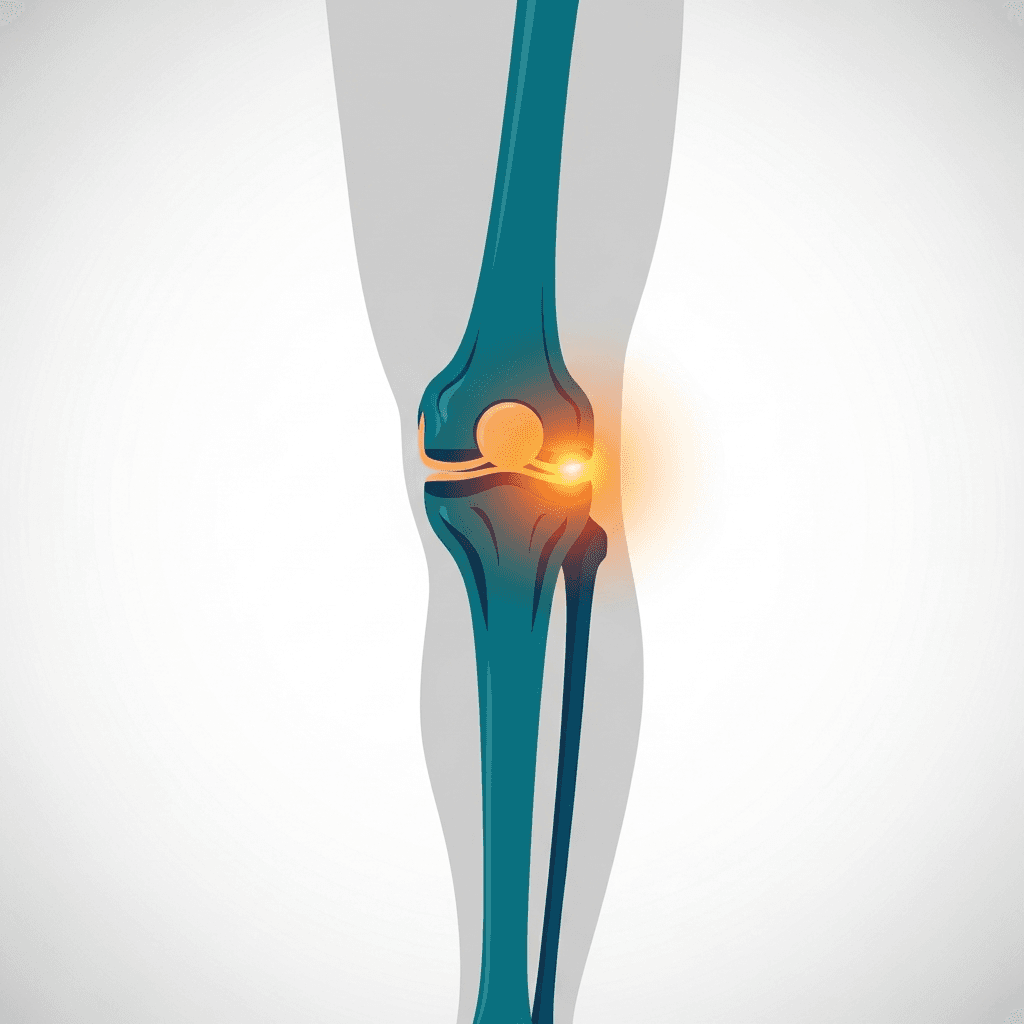
Typical Treatment
Cast or walking boot to keep the bones still while they heal, Surgery to realign bones and secure them with metal plates or rods, Physical therapy to rebuild strength and restore normal walking, Pain management during the healing process, X-rays and follow-up appointments to monitor bone healing, Crutches or mobility aids during recovery
Recovery Timeline
Often 3-6 months for basic healing, though returning to full activity may take 6-12 months or longer for complex fractures
Common Accident Causes
The lower leg bones typically break when the leg gets trapped during impact, such as when the foot is pressed against the brake pedal during a frontal collision or when the leg strikes the dashboard.
Impact Speed Range
May occur at speeds as low as 25-50+ mph
Common Collision Types
Head-on, Side-impact
Lower leg fractures often happen when tremendous force gets applied to the bones during a car crash. The most common scenario involves the foot being pressed against the brake pedal during a frontal collision, which can trap the leg and create a breaking point along the tibia or fibula.
Side-impact crashes can also cause these fractures when the door gets pushed inward and strikes the lower leg directly. The bones may snap from the direct blow or from the leg getting twisted unnaturally during the impact.
Rollover accidents sometimes cause lower leg fractures when occupants get thrown around inside the vehicle. The leg may strike hard surfaces or get caught in the wreckage, applying enough force to crack or completely break one or both bones.
No upfront fees. No fee unless we recover money for you.
We'll get back to you as soon as possible.
(480) 899-9019 — free consultation
Doctors often start with X-rays to see exactly where and how severely the bones are broken. Simple fractures that stay properly aligned may be treated with a cast or walking boot to keep everything still while the bone heals naturally.
More serious breaks typically require surgery to put the bones back in the right position. Surgeons often use metal plates, screws, or rods to hold the bone pieces together during healing. This type of surgery (open reduction and internal fixation) helps ensure the bones heal straight and strong.
Physical therapy usually becomes important once the initial healing begins. Therapists help people gradually rebuild strength, restore normal walking patterns, and regain full use of the leg. The rehabilitation process often takes several months and focuses on preventing long-term problems with mobility or chronic pain.
Some lower leg fractures develop complications that may not become obvious for weeks or months after the accident. Bones that don't heal properly can cause permanent changes in how someone walks, leading to ongoing pain or arthritis in the ankle or knee joints over time.
More serious complications can include nerve damage that causes lasting numbness in the foot, blood vessel injuries that affect circulation, or infections if the fracture broke through the skin. These problems can significantly extend recovery time and may require additional surgeries or treatments to address.
Clinical terminology for medical and legal professionals
Tibia and fibula fractures involve disruption of the cortical bone structure in one or both bones of the lower leg. The tibia, being the primary weight-bearing bone, typically presents with more significant clinical implications than isolated fibular fractures. These injuries are classified using the AO/OTA system based on location (proximal, shaft, or distal), fracture pattern (spiral, oblique, transverse, comminuted), and displacement. Common presentations include simple two-part fractures, complex multifragmentary patterns, and open fractures with soft tissue involvement. Treatment modalities range from conservative management with immobilization to operative intervention including open reduction and internal fixation (ORIF) with plates, screws, or intramedullary nailing. ICD-10 codes include S82.201A for unspecified fracture of shaft of right tibia and S82.401A for unspecified fracture of shaft of right fibula.
Just been in an accident? See our step-by-step guide →
No upfront fees. No fee unless we recover money for you.
We'll get back to you as soon as possible.
(480) 899-9019 — free consultation
From the Blog: Learn more about protecting your rights in our Arizona injury law blog.
