
Key Takeaways
- Loop 101 and Frank Lloyd Wright Boulevard carry commercial vehicle traffic serving the Scottsdale Airpark area
- Truck traffic serving the Airpark mixes with commuter traffic on nearby roads
- Arizona requires commercial drivers to meet stricter safety standards with severe penalties for violations
- Accident victims have specific rights under Arizona law to seek compensation from negligent trucking companies
- Documentation and immediate legal consultation are critical for protecting victim rights after truck accidents
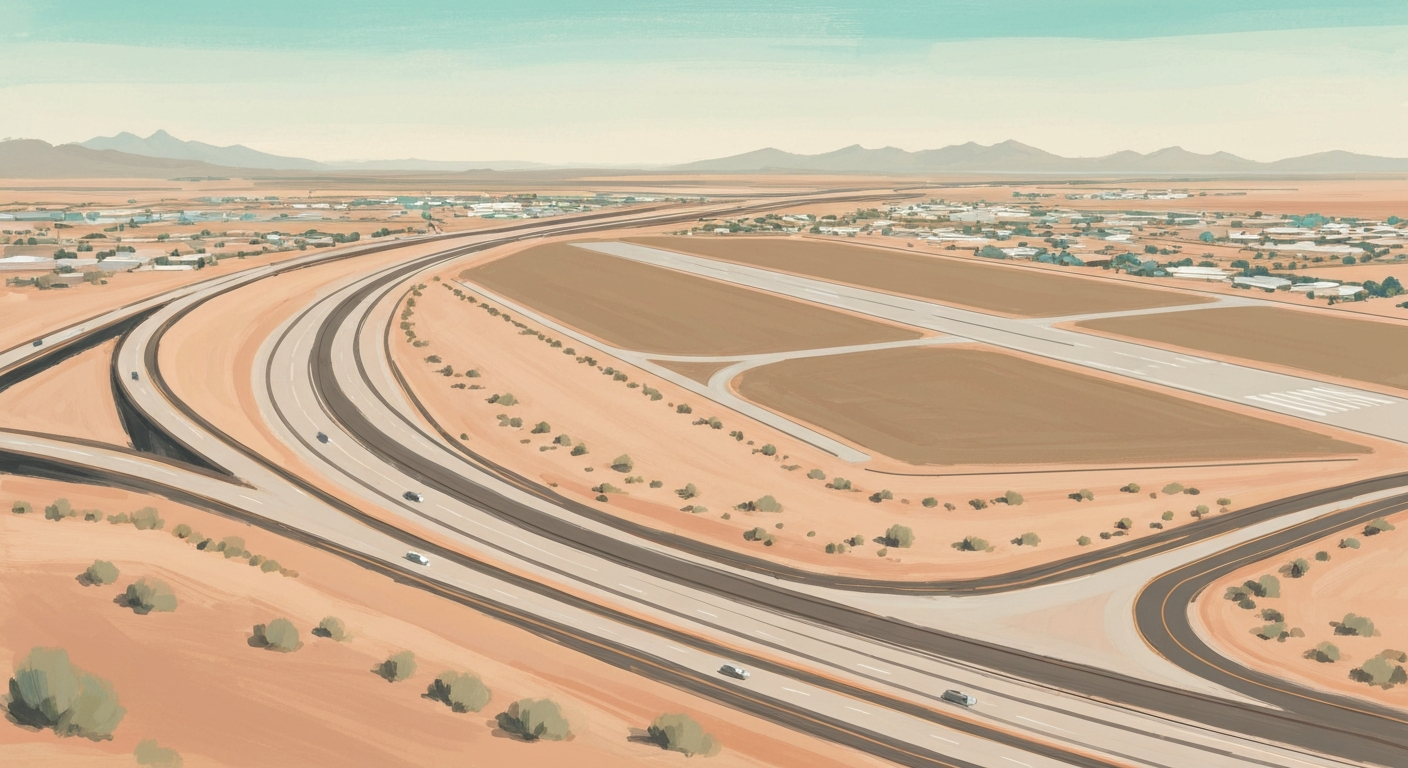
The intersection of commerce and commuting in Scottsdale creates challenges for road safety, particularly along major corridors like Loop 101 and the areas surrounding the Scottsdale Airpark. Commercial vehicle traffic on these corridors mixes with commuter traffic, which raises the stakes when crashes occur. Understanding the legal framework governing commercial vehicles and the rights available to accident victims matters for anyone traveling these routes.
High-Risk Accident Corridors in Scottsdale
Loop 101 Pima Freeway: A Commercial Traffic Hub
Loop 101 is a major artery for commercial vehicle traffic moving through the Phoenix metropolitan area, and the Scottsdale segment carries truck traffic tied to nearby industrial areas and the Airpark.
When crashes occur on the freeway, lane closures and traffic restrictions can create secondary risks as vehicles navigate around crash scenes and emergency responders.
Frank Lloyd Wright Boulevard and Industrial Access Routes
Frank Lloyd Wright Boulevard functions as a primary access route for trucks servicing the Scottsdale Airpark and surrounding industrial facilities. This heavy commercial traffic mixing with regular commuter vehicles creates heightened accident risks, particularly during peak business hours when both truck traffic and commuter volumes are highest.
The combination of varying vehicle sizes, speeds, and stopping distances can contribute to the severity of crashes when they occur.
Scottsdale Road and Airpark-Adjacent Areas
Scottsdale Road serves as another major corridor for commercial vehicle traffic accessing industrial areas. The proximity to manufacturing facilities, distribution centers, and the Airpark means consistent heavy truck traffic throughout business hours. Accident victims in these areas often face more complex cases due to the involvement of commercial vehicles operating under federal and state regulations.
Arizona Commercial Vehicle Regulations and Safety Standards
Federal and State Compliance Requirements
Arizona enforces strict compliance with federal commercial vehicle regulations, including hours-of-service limitations, vehicle maintenance standards, and driver qualification requirements. Commercial drivers must maintain current commercial driver's licenses with appropriate endorsements and submit to regular medical examinations to ensure fitness for duty.
Trucking companies operating in Arizona must maintain comprehensive insurance coverage significantly higher than standard vehicle policies, reflecting the increased risk and potential damages associated with commercial vehicle accidents. These insurance requirements provide additional resources for accident victims seeking compensation for injuries and damages.
Penalties for Commercial Vehicle Violations
Commercial vehicle violations can lead to fines, license consequences, and, for serious violations, criminal charges. Weight, hours-of-service, and equipment violations can also result in vehicles or drivers being placed out of service.
These strict enforcement measures serve both as deterrents and as evidence in accident cases, as violation histories can demonstrate patterns of negligence by commercial drivers or trucking companies.
Rights and Legal Options for Accident Victims
Immediate Steps Following Truck Accidents
Accident victims should prioritize medical attention and proper documentation of the scene, injuries, and vehicle damage. Police reports become particularly important in commercial vehicle accidents, as they often include information about driver qualifications, vehicle inspections, and potential regulatory violations.
Preservation of evidence takes on added significance in truck accident cases, as commercial vehicles typically have electronic logging devices, maintenance records, and company policies that may be relevant to establishing liability. Time limitations on accessing this evidence make prompt legal consultation crucial for protecting victim rights.
Arizona's Comparative Negligence Framework
Arizona follows a pure comparative negligence system (A.R.S. § 12-2505), which generally allows accident victims to recover damages even when they bear partial responsibility for an accident, with their damages reduced in proportion to their percentage of fault, subject to exceptions. This framework is particularly relevant in complex truck accident scenarios where multiple factors may contribute to the collision.
Commercial vehicle accidents often involve multiple potentially liable parties, including drivers, trucking companies, maintenance providers, and cargo loaders. Arizona law allows victims to pursue claims against all responsible parties, potentially increasing available compensation sources.
Insurance and Compensation Considerations
Commercial vehicle insurance policies typically provide substantially higher coverage limits than standard auto insurance, reflecting the greater damage potential of truck accidents. Accident victims may have access to multiple insurance sources, including the commercial driver's coverage, the trucking company's policy, and potentially additional umbrella coverage.
The complexity of commercial insurance coverage and the involvement of multiple parties often make legal help valuable for identifying every source of compensation for medical expenses, lost wages, property damage, and other losses resulting from truck accidents.
Frequently Asked Questions
What makes truck accidents in the Scottsdale Airpark area more complex than regular car accidents?
Truck accidents in industrial areas like the Scottsdale Airpark involve commercial vehicles subject to federal regulations, multiple potential defendants including drivers and trucking companies, and higher insurance coverage limits. The industrial setting also means accidents may involve hazardous materials or specialized equipment, which makes careful investigation important.
How long do accident victims have to file claims after truck accidents in Arizona?
Most Arizona personal injury lawsuits must generally be filed within two years after the claim accrues (A.R.S. § 12-542), with exceptions. Claims against a city, county, state agency, or other public entity generally require a written notice of claim within 180 days after the claim accrues, including a specific settlement amount (A.R.S. § 12-821.01), and a lawsuit within one year (A.R.S. § 12-821). Evidence preservation and insurance notice requirements often call for much earlier action, so prompt legal consultation helps secure critical evidence like electronic logging data and maintenance records.
Are trucking companies automatically liable when their drivers cause accidents?
Trucking companies can be held liable for their drivers' actions under various legal theories, including respondeat superior (employer liability) and direct negligence for inadequate hiring, training, or supervision. Arizona law allows accident victims to pursue claims against both individual drivers and their employing companies, but establishing company liability requires proving the driver was acting within the scope of employment or that the company failed to meet its independent safety obligations.