Maria is an intake coordinator. She does not provide legal advice.
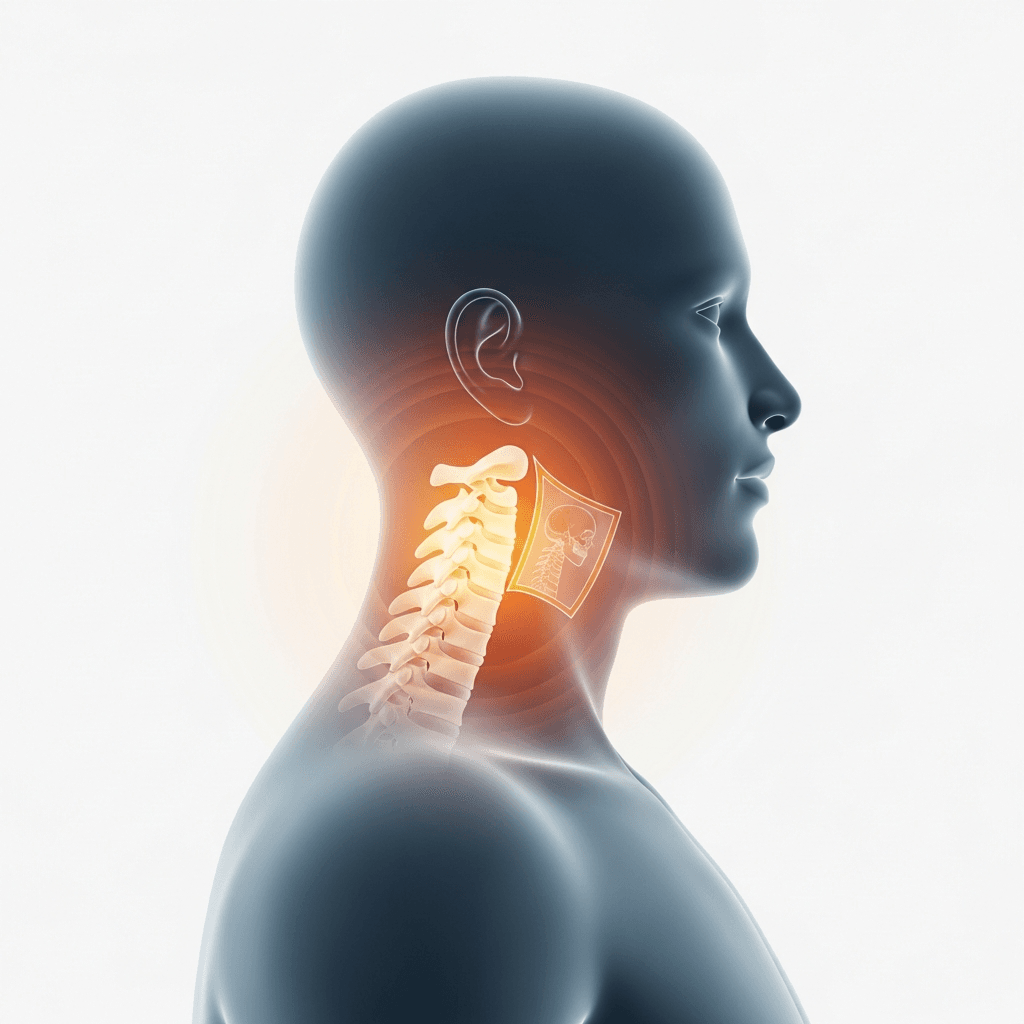
Cervical strain
Typical Treatment
Rest and limiting neck movement for the first few days, Ice therapy to reduce swelling and pain, Physical therapy to rebuild strength and flexibility, Muscle relaxants to reduce spasms, Massage therapy to improve blood flow and reduce tension, Cervical collar for temporary support in severe cases
Recovery Timeline
Often 4-6 weeks for mild strains, though more severe injuries may take several months to heal completely
Common Accident Causes
Cervical strains typically occur when a collision causes the head to snap forward and backward rapidly, stretching or tearing the neck muscles beyond their normal limits.
Impact Speed Range
May occur at speeds as low as 10-40 mph
Common Collision Types
Rear-end, Side-impact
During a car accident, the sudden impact causes the head to move violently in directions the neck wasn't designed to handle. This often happens in rear-end collisions when the head whips backward then forward, or in side-impact crashes when the head jerks sideways. The neck muscles, tendons, and ligaments get stretched beyond their normal range of motion.
The cervical spine has to absorb tremendous forces in just milliseconds. When these forces exceed what the soft tissues can handle, tiny tears develop in the muscle fibers and tendons. The body's natural response is inflammation and muscle spasms, which cause the pain and stiffness that people feel.
Even seemingly minor accidents can cause cervical strains because the neck is particularly vulnerable to these rapid acceleration and deceleration forces. The injury can happen regardless of whether someone saw the crash coming or was caught off guard.
No upfront fees. No fee unless we recover money for you.
We'll get back to you as soon as possible.
(480) 899-9019 — free consultation
Most cervical strains start with conservative treatments focused on reducing pain and inflammation. Doctors often recommend a combination of rest, ice therapy, and over-the-counter pain medications during the first few days. Gentle range-of-motion exercises may begin once the initial pain subsides.
Physical therapy typically becomes the cornerstone of recovery after the acute phase. Therapists work on restoring normal neck movement, strengthening the supporting muscles, and teaching proper posture. Some people benefit from massage therapy, heat treatments, or muscle relaxant medications to address persistent spasms.
In cases where conservative treatment isn't providing adequate relief after several weeks, doctors might consider additional options like trigger point injections or specialized pain management techniques. The goal is always to restore normal function while managing pain throughout the healing process.
While most cervical strains heal within a few weeks, some people develop chronic neck pain that persists for months. This can happen when the initial injury was more severe than it first appeared, or when scar tissue forms during the healing process. Chronic pain can significantly impact daily activities and quality of life.
Some individuals may also develop secondary problems like persistent headaches, reduced range of motion, or ongoing muscle weakness. These complications underscore why many doctors recommend following up regularly during recovery, even when symptoms seem to be improving. Early identification of potential complications often leads to better long-term outcomes.
Clinical terminology for medical and legal professionals
Cervical strain is an injury to the muscles, tendons, and ligaments of the cervical spine (C1-C7 vertebrae), typically resulting from hyperextension or hyperflexion movements that exceed normal range of motion. The condition involves microscopic tears in the cervical musculature, particularly the sternocleidomastoid, scalenes, and suboccipital muscles. Cervical strains are classified under ICD-10 codes S13.4 (sprain and strain of cervical spine) and are often associated with whiplash-associated disorders (WAD). The injury commonly affects the atlantooccipital joint, atlantoaxial joint, and lower cervical facet joints. Diagnostic imaging may reveal muscle edema on MRI, though radiographic findings are often normal in isolated soft tissue injuries. The condition frequently presents with myofascial pain patterns and may involve cervical lordosis straightening due to muscle spasm and guarding.
Just been in an accident? See our step-by-step guide →
No upfront fees. No fee unless we recover money for you.
We'll get back to you as soon as possible.
(480) 899-9019 — free consultation
From the Blog: Learn more about protecting your rights in our Arizona injury law blog.
