Maria is an intake coordinator. She does not provide legal advice.
Cervical fracture
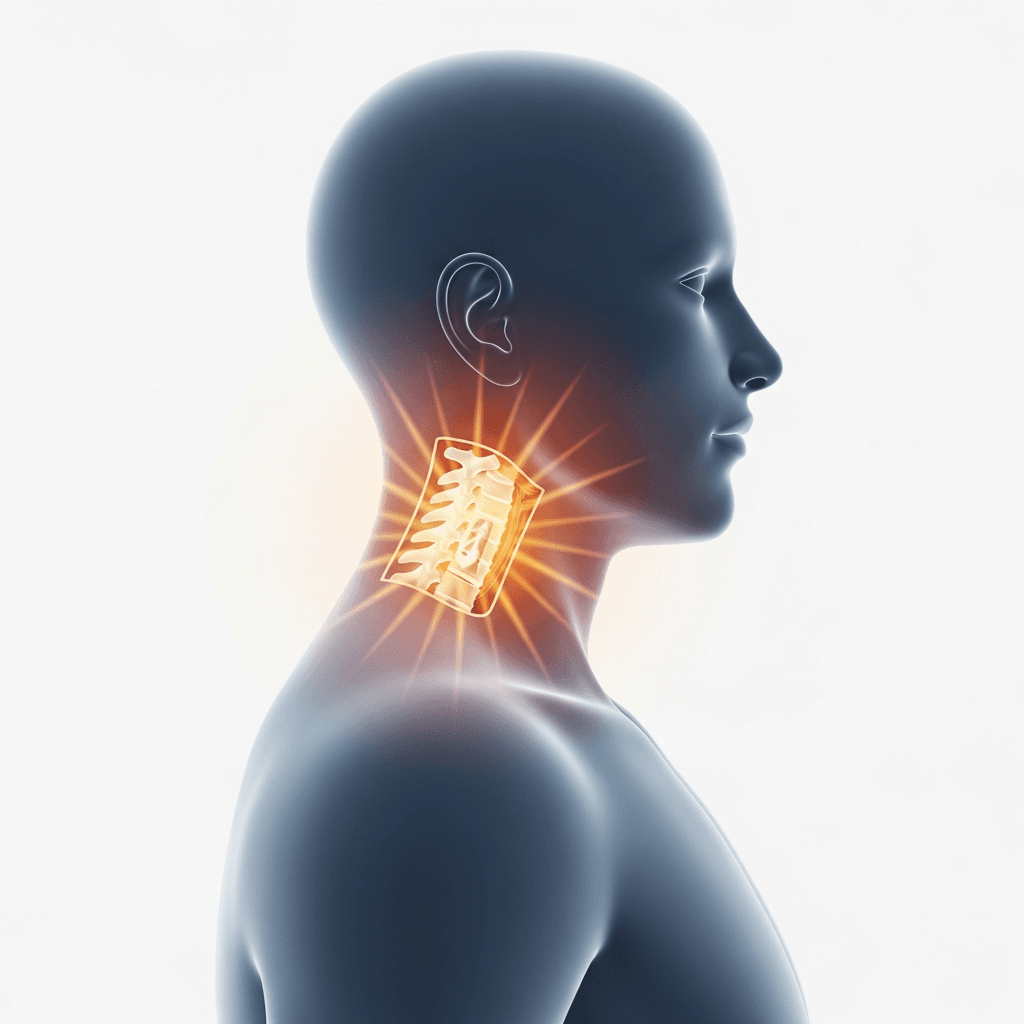
Typical Treatment
Rigid neck brace or collar to keep the bones still while healing, Pain medication and muscle relaxers to manage discomfort, Physical therapy to rebuild neck strength and movement, Surgery to repair severely damaged bones or stabilize the spine, Bed rest and activity restrictions during initial healing
Recovery Timeline
Often 6-12 weeks for simple fractures, though complex cases requiring surgery may take several months or longer
Common Accident Causes
Neck fractures typically occur when the head snaps forward and backward violently during impact, putting extreme stress on the small bones of the neck.
Impact Speed Range
May occur at speeds as low as 30-60+ mph
Common Collision Types
Head-on, Rollover
Car accidents can fracture neck bones through sudden, violent movement of the head and neck. During a collision, the body stops moving but the head continues forward due to momentum, then snaps back in the opposite direction. This whiplash motion puts tremendous stress on the seven small vertebrae in the neck.
Rear-end collisions often cause this type of injury because they create the classic whip-like motion. However, side-impact crashes and head-on collisions can also fracture neck bones, especially when the head strikes something inside the vehicle or when the impact forces the neck to bend or twist unnaturally.
The severity of the fracture often depends on the speed of impact and whether the person was wearing a seatbelt. Higher-speed crashes and impacts that cause the head to hit the steering wheel, dashboard, or window tend to create more serious fractures that may affect the spinal cord.
No upfront fees. No fee unless we recover money for you.
We'll get back to you as soon as possible.
(480) 899-9019 — free consultation
Treatment for neck fractures typically starts with immobilization to prevent further injury. Doctors often use rigid neck braces or cervical collars to keep the bones completely still while they heal. This external bracing can last anywhere from 6 to 12 weeks depending on the severity and location of the break.
For more complex fractures, surgery may be necessary to realign and stabilize the broken bones. Surgeons might use metal plates, screws, or rods to hold the vertebrae in proper position during healing. This is especially common when multiple bones are broken or when the fracture affects spinal stability.
Pain management usually involves prescription medications and muscle relaxers during the acute phase. Once initial healing begins, physical therapy becomes important to gradually restore neck movement and rebuild muscle strength that was lost during the immobilization period.
Some neck fractures can affect the spinal cord, which carries vital signals between the brain and the rest of the body. When this happens, people may experience lasting problems with movement, sensation, or even basic functions like breathing. The location of the fracture matters greatly - breaks higher up in the neck tend to cause more serious complications.
Even fractures that initially seem minor can sometimes lead to ongoing issues. Some people develop chronic pain, limited neck movement, or recurring headaches that persist long after the bone has healed. In rare cases, pieces of broken bone can shift over time, potentially causing new problems with nerves or spinal cord function that weren't present immediately after the accident.
Clinical terminology for medical and legal professionals
A cervical fracture involves disruption of one or more of the seven cervical vertebrae (C1-C7) that comprise the neck region of the spinal column. These fractures can occur at various anatomical locations including the vertebral body, spinous processes, transverse processes, laminae, or facet joints. Common types include Jefferson fractures (C1 burst fractures), odontoid fractures (C2 dens fractures), and hangman's fractures (traumatic spondylolisthesis of C2). The injury may involve simple non-displaced fractures, complex fractures with spinal cord involvement, or fracture-dislocations. Clinical presentation varies significantly based on fracture location, stability, and associated spinal cord or nerve root injury. Diagnosis requires CT imaging with sagittal and coronal reconstructions, with MRI indicated when neurological deficits are present. Treatment ranges from external immobilization with cervical orthoses to surgical stabilization via anterior cervical discectomy and fusion (ACDF) or posterior cervical fusion procedures.
Just been in an accident? See our step-by-step guide →
No upfront fees. No fee unless we recover money for you.
We'll get back to you as soon as possible.
(480) 899-9019 — free consultation
From the Blog: Learn more about protecting your rights in our Arizona injury law blog.
