Maria is an intake coordinator. She does not provide legal advice.
Clavicle fracture
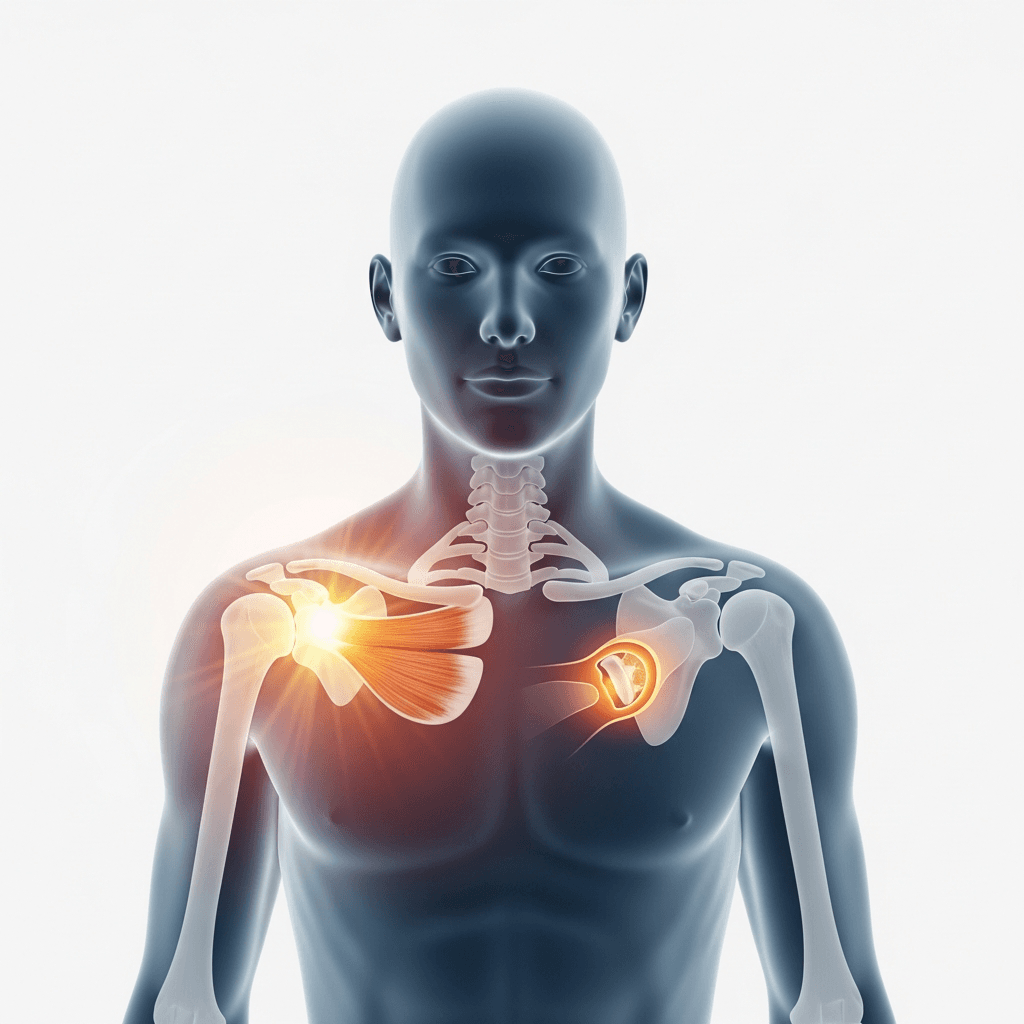
Typical Treatment
Arm sling or figure-eight brace to keep the bone stable while it heals, Pain medication to manage discomfort during recovery, Physical therapy to restore shoulder strength and range of motion, Surgery with plates and screws for severely displaced fractures, Ice therapy and anti-inflammatory medication to reduce swelling
Recovery Timeline
Often 6-12 weeks for the bone to heal, though complete recovery with full strength may take 3-4 months
Common Accident Causes
Clavicle fractures often happen when people brace against impact with their arms or when the shoulder gets forced downward during a collision.
Impact Speed Range
May occur at speeds as low as 20-50+ mph
Common Collision Types
Side-impact, Head-on
Clavicle fractures commonly occur when someone braces for impact during a collision. The force travels up through the arms and overwhelms the collarbone, causing it to snap. This often happens when drivers grip the steering wheel tightly or passengers brace against the dashboard.
Direct impact can also break the collarbone. When a shoulder strikes the door, window, or seatbelt during a side-impact crash, the force can fracture the bone where it curves near the shoulder. The clavicle is particularly vulnerable because it's a relatively thin bone that bears significant stress.
Rear-end collisions sometimes cause clavicle fractures when the sudden forward motion forces the shoulder blade to move in ways that stress the collarbone. The bone may crack under the pressure of muscles and ligaments pulling in different directions during the violent motion of a crash.
No upfront fees. No fee unless we recover money for you.
We'll get back to you as soon as possible.
(480) 899-9019 — free consultation
Most broken collarbones heal without surgery using conservative treatment methods. Doctors often recommend wearing a sling or figure-eight brace to keep the bone pieces in proper position while they heal. This immobilization typically lasts several weeks, during which the bone forms new tissue to bridge the break.
Pain management becomes important during the healing process. Doctors may prescribe medications to control discomfort and recommend ice therapy to reduce swelling. As pain decreases, gentle range-of-motion exercises help prevent stiffness in the shoulder joint.
Surgery may be necessary for severely displaced fractures where the bone pieces have separated significantly. Orthopedic surgeons can use metal plates and screws to hold the bone fragments in proper alignment. This surgical approach (open reduction and internal fixation) may lead to faster recovery of shoulder function, though it carries additional risks associated with any surgical procedure.
Some clavicle fractures develop complications that extend the healing process or create lasting problems. When bone fragments heal in the wrong position (malunion), it can cause permanent shoulder deformity or ongoing pain. The shoulder may remain lower than normal, and people sometimes experience weakness or limited range of motion even after the bone heals.
Nerve or blood vessel damage represents a more serious concern, though it occurs less frequently. The clavicle sits close to important nerves that control arm function and major blood vessels. When fracture fragments shift or swelling increases, these structures can become compressed or injured, leading to numbness, tingling, or circulation problems that may require additional medical intervention.
Clinical terminology for medical and legal professionals
A clavicle fracture is a disruption in the continuity of the clavicular bone, most commonly occurring in the middle third (midshaft) of the bone. The clavicle serves as a strut connecting the axial skeleton to the appendicular skeleton and provides attachment points for multiple muscles. Fractures typically result from direct trauma or indirect forces transmitted through the upper extremity. Classification systems include anatomical location (medial, middle, or lateral third) and displacement patterns. Most midshaft clavicle fractures (80-85%) can be managed conservatively with immobilization, though surgical intervention may be indicated for significantly displaced fractures, open fractures, or neurovascular compromise. Healing typically occurs through callus formation over 6-12 weeks, with functional recovery varying based on fracture complexity and patient factors.
Just been in an accident? See our step-by-step guide →
No upfront fees. No fee unless we recover money for you.
We'll get back to you as soon as possible.
(480) 899-9019 — free consultation
From the Blog: Learn more about protecting your rights in our Arizona injury law blog.
