Maria is an intake coordinator. She does not provide legal advice.
Glenohumeral joint dislocation
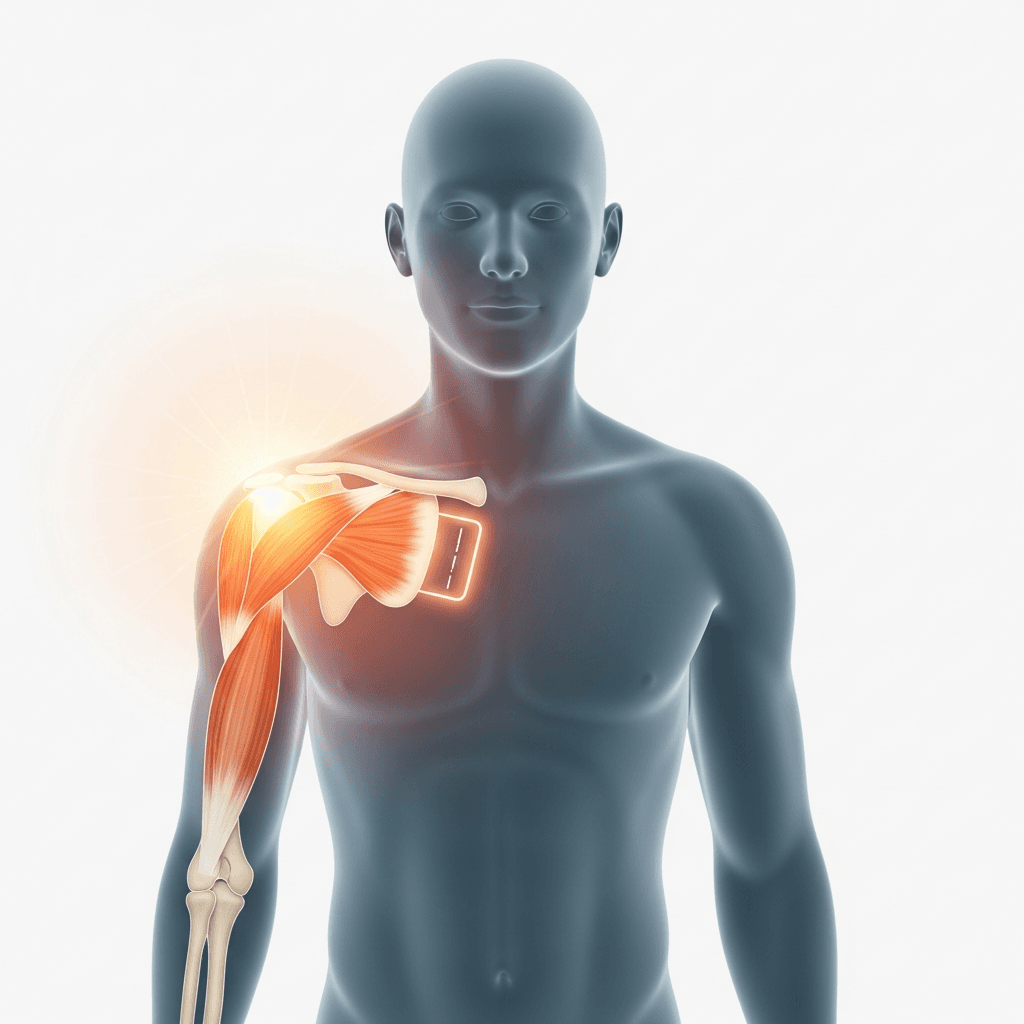
Typical Treatment
Emergency reduction and immobilization, Diagnostic imaging (X-rays, MRI, CT scans), Physical therapy and rehabilitation, Arthroscopic surgery for recurrent dislocations, Pain management and anti-inflammatory medications, Occupational therapy for functional restoration
Recovery Timeline
4-6 months for complete recovery, with surgical cases potentially requiring 6-12 months of rehabilitation
Common Accident Causes
Sudden impact forces during vehicle collisions, particularly when occupants brace themselves against dashboard or door frames, or from violent jerking motions during rollover accidents
Impact Speed Range
May occur at speeds as low as 15-40+ mph
Common Collision Types
Head-on, Rear-end
Shoulder dislocations in vehicle accidents typically occur when extreme forces exceed the joint's normal range of motion. During frontal impacts, occupants may instinctively brace themselves against the dashboard or steering wheel, creating leverage that forces the humeral head out of the glenoid socket. Side-impact collisions can cause the shoulder to strike the door frame or window with tremendous force, while the body continues moving in the opposite direction.
Rollover accidents present particularly high risks for shoulder dislocations due to the violent tumbling motion that throws occupants against multiple surfaces within the vehicle. The shoulder joint, being the most mobile joint in the human body, becomes vulnerable when subjected to forces that push or pull the arm beyond its anatomical limits. Even with seatbelts properly worn, the sudden deceleration can create enough rotational force to dislocate the shoulder, especially if the arm is positioned awkwardly during impact.
No upfront fees. No fee unless we recover money for you.
We'll get back to you as soon as possible.
(480) 899-9019 — free consultation
Initial treatment for shoulder dislocation focuses on reducing the joint back into proper alignment, typically performed in emergency medical settings using various manipulation techniques. Medical professionals often administer sedation or pain medication before attempting reduction to minimize patient discomfort and muscle resistance. Following successful reduction, the shoulder is immobilized using a sling or specialized brace to allow initial healing of damaged ligaments and surrounding soft tissues.
Long-term treatment frequently involves extensive physical therapy to restore strength, range of motion, and stability to the injured shoulder. Rehabilitation programs typically progress through phases, beginning with gentle range-of-motion exercises and advancing to strengthening activities and functional movements. In cases involving significant ligament damage, recurrent dislocations, or associated fractures, surgical intervention may be necessary to repair torn tissues and restore joint stability through arthroscopic or open procedures.
Shoulder dislocations can result in several serious long-term complications that significantly impact quality of life and earning capacity. Chronic shoulder instability represents one of the most common complications, where the joint becomes prone to repeated dislocations during normal activities. This instability often necessitates ongoing medical treatment, activity modifications, and potential surgical intervention to prevent further episodes.
Additional complications may include damage to surrounding nerves and blood vessels during the initial dislocation, leading to persistent numbness, weakness, or circulation problems. Adhesive capsulitis, commonly known as frozen shoulder, can develop during the recovery period, severely limiting range of motion and requiring extended rehabilitation. Early and comprehensive medical documentation of these complications proves crucial for personal injury claims, as insurance companies often underestimate the long-term impact of shoulder dislocations on victims' daily activities, work capacity, and overall well-being.
Just been in an accident? See our step-by-step guide →
No upfront fees. No fee unless we recover money for you.
We'll get back to you as soon as possible.
(480) 899-9019 — free consultation
From the Blog: Learn more about protecting your rights in our Arizona injury law blog.
