Maria is an intake coordinator. She does not provide legal advice.
Femur fracture
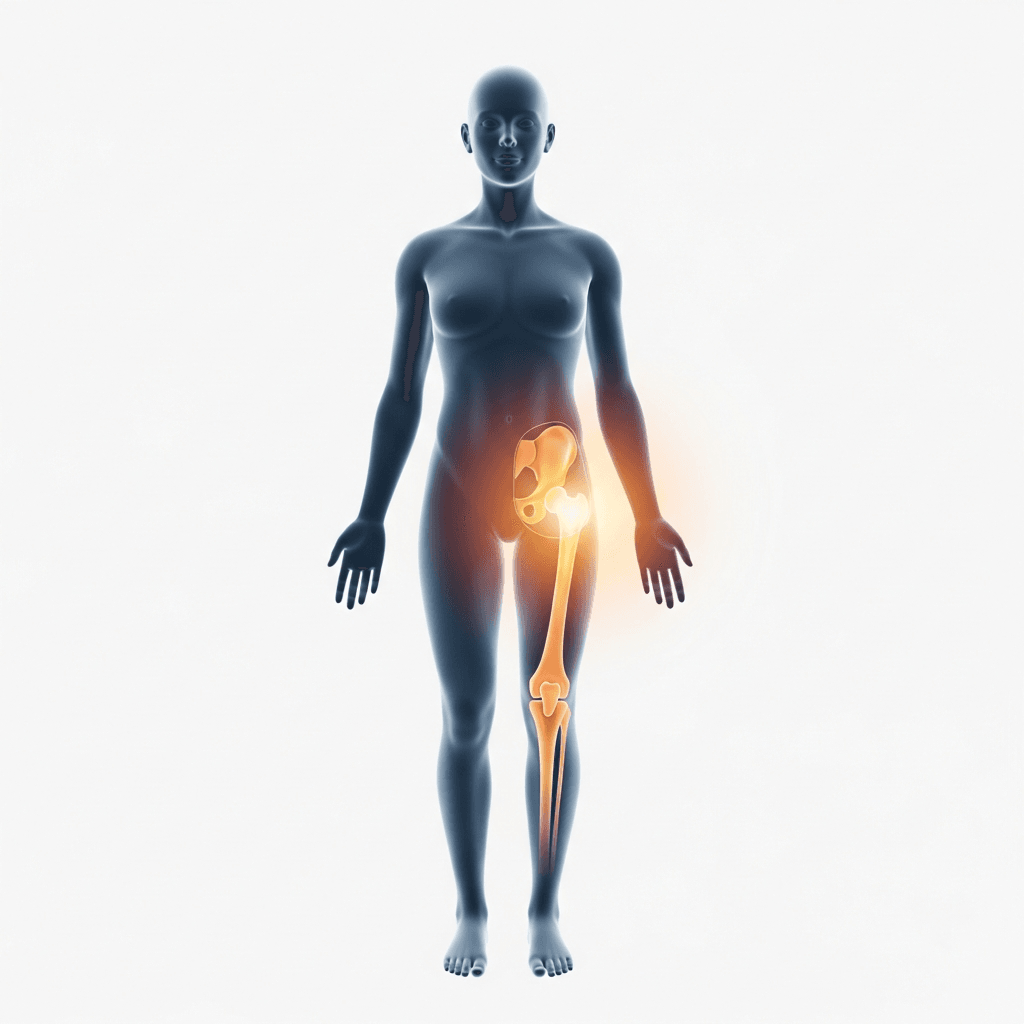
Typical Treatment
Emergency room stabilization, Surgical repair with rods or plates, Extended hospitalization, Physical therapy rehabilitation, Pain management therapy, Follow-up orthopedic care
Recovery Timeline
12-18 months with potential for ongoing complications
Common Accident Causes
Fractured femurs commonly occur in high-impact vehicle collisions, particularly in frontal crashes where the knee strikes the dashboard with tremendous force, or in side-impact accidents where the femur absorbs crushing forces from intrusion
Fractured femurs in vehicle accidents typically result from high-energy impact forces that exceed the bone's structural capacity. In frontal collisions, occupants often experience dashboard impact where the knee strikes the dash while the hip remains secured by the seatbelt, creating a leverage point that fractures the femoral shaft. The femur's position as the primary load-bearing bone of the leg makes it vulnerable to these concentrated forces.
Side-impact crashes present another common mechanism for femur fractures, particularly when door intrusion occurs. The lateral forces applied to the thigh can cause transverse or oblique fractures along the femoral shaft. Rollover accidents and ejections from vehicles can also produce the tremendous forces necessary to break this robust bone, often resulting in more complex fracture patterns that require extensive surgical intervention.
No upfront fees. No fee unless we recover money for you.
We'll get back to you as soon as possible.
(480) 899-9019 — free consultation
Medical treatment for fractured femurs typically begins with emergency stabilization to address potential life-threatening complications such as blood loss and shock. Healthcare providers usually perform immediate imaging studies including X-rays and CT scans to determine the fracture pattern and plan surgical intervention. Most femur fractures require surgical repair using internal fixation devices such as intramedullary rods, plates, or screws to realign and stabilize the bone fragments.
Post-surgical treatment involves extended rehabilitation focused on restoring mobility and strength. Physical therapy typically begins within days of surgery with gentle range-of-motion exercises, progressing to weight-bearing activities as healing allows. The recovery process often requires months of intensive rehabilitation to address muscle atrophy, joint stiffness, and gait abnormalities. Pain management throughout treatment may include prescription medications and therapeutic interventions to help patients maintain function during the lengthy healing process.
Long-term complications from fractured femurs can significantly impact an accident victim's quality of life and ability to return to normal activities. Common complications include nonunion or malunion of the fracture, where bones fail to heal properly or heal in incorrect alignment, potentially requiring additional surgeries. Hardware complications such as rod breakage or screw loosening may necessitate revision procedures years after the initial injury.
Vascular and neurological complications can occur due to the proximity of major blood vessels and nerves to the femur. Deep vein thrombosis and pulmonary embolism represent serious risks during the extended recovery period due to prolonged immobility. Many patients experience permanent functional limitations including chronic pain, reduced range of motion, and altered gait patterns that affect their ability to work and participate in recreational activities. Early and thorough medical documentation becomes crucial for personal injury claims, as these complications may not become apparent until months or years after the initial accident.
Just been in an accident? See our step-by-step guide →
No upfront fees. No fee unless we recover money for you.
We'll get back to you as soon as possible.
(480) 899-9019 — free consultation
From the Blog: Learn more about protecting your rights in our Arizona injury law blog.
