Maria is an intake coordinator. She does not provide legal advice.
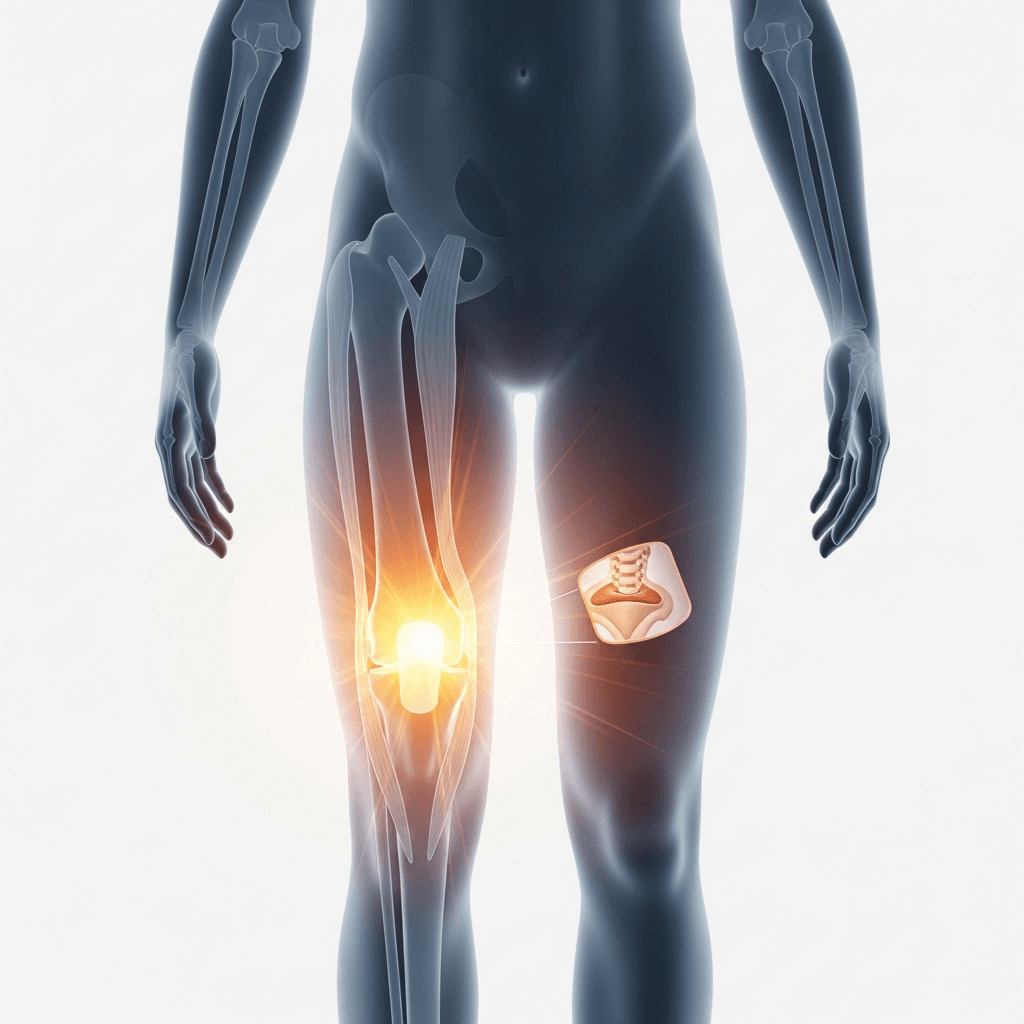
Patellar fracture
Typical Treatment
Immobilization with a cast or brace for stable fractures, Surgery to reconnect broken bone pieces with wires or screws, Physical therapy to restore knee movement and strength, Pain management with medications, Weight-bearing restrictions using crutches or walkers
Recovery Timeline
Often 3-6 months for basic healing, though full recovery including strength and mobility may take longer
Common Accident Causes
Kneecap fractures typically occur when the knee strikes the dashboard in a front-end collision or when sudden muscle contractions from bracing for impact cause the kneecap to break.
Impact Speed Range
May occur at speeds as low as 25-50+ mph
Common Collision Types
Head-on
Kneecap fractures often happen when the knee strikes a hard surface with significant force. In car accidents, this typically occurs when the knee hits the dashboard during a front-end collision or side-impact crash. The kneecap can also break from the sudden, powerful contraction of the thigh muscles when someone braces for impact.
The kneecap is relatively small and sits right at the front of the knee joint, making it vulnerable to direct trauma. When the bone breaks, the pieces often move out of their normal position because of the strong pull from the thigh muscles. This displacement can make it impossible to straighten the leg properly.
Different types of crashes can cause different fracture patterns. High-speed collisions may cause the bone to shatter into multiple pieces, while lower-impact crashes might create clean breaks across the kneecap.
No upfront fees. No fee unless we recover money for you.
We'll get back to you as soon as possible.
(480) 899-9019 — free consultation
Treatment for a broken kneecap depends on how severely the bone is fractured and whether the pieces have moved out of place. For fractures where the bone pieces remain aligned, doctors often use a cast or special brace to keep the leg immobilized while the bone heals. This approach typically requires several weeks of limited mobility.
When the bone fragments are displaced or separated, surgery is usually necessary to put the pieces back together. Surgeons may use wires, screws, or pins to hold the kneecap in its proper position while it heals. The surgical hardware often stays in place permanently, though it may be removed later if it causes problems.
Recovery involves a careful balance of protection and movement. After the initial healing period, physical therapy becomes crucial to restore knee flexibility and rebuild strength in the surrounding muscles. The rehabilitation process is gradual, starting with gentle range-of-motion exercises and progressing to weight-bearing activities as the bone heals.
One of the main concerns with kneecap fractures is that prolonged immobilization can lead to significant knee stiffness and muscle weakness. The thigh muscles can lose strength quickly when not used, and the knee joint may become difficult to bend or straighten fully. These issues can persist even after the bone has healed completely.
More serious complications can include problems with how the kneecap moves within the knee joint, ongoing pain, or difficulty with activities that require kneeling. Some people may develop arthritis in the knee joint years later, especially if the fracture involved the smooth cartilage surface. In rare cases, the bone may not heal properly, requiring additional surgery to address the problem.
Clinical terminology for medical and legal professionals
A patellar fracture is a disruption in the continuity of the patella, the sesamoid bone located within the quadriceps tendon anterior to the knee joint. The patella serves as a mechanical fulcrum for the quadriceps mechanism and protects the underlying femoral condyles. Patellar fractures can be classified as non-displaced, displaced, comminuted, or stellate patterns. The injury often involves damage to the extensor mechanism of the knee, potentially compromising the patient's ability to actively extend the knee joint. Treatment depends on fracture displacement, with surgical intervention (open reduction and internal fixation) typically required for displaced fractures greater than 2-3mm separation or any disruption of the extensor mechanism. Common surgical approaches include tension band wiring, cannulated screws, or cerclage wiring techniques.
Just been in an accident? See our step-by-step guide →
No upfront fees. No fee unless we recover money for you.
We'll get back to you as soon as possible.
(480) 899-9019 — free consultation
From the Blog: Learn more about protecting your rights in our Arizona injury law blog.
