Maria is an intake coordinator. She does not provide legal advice.
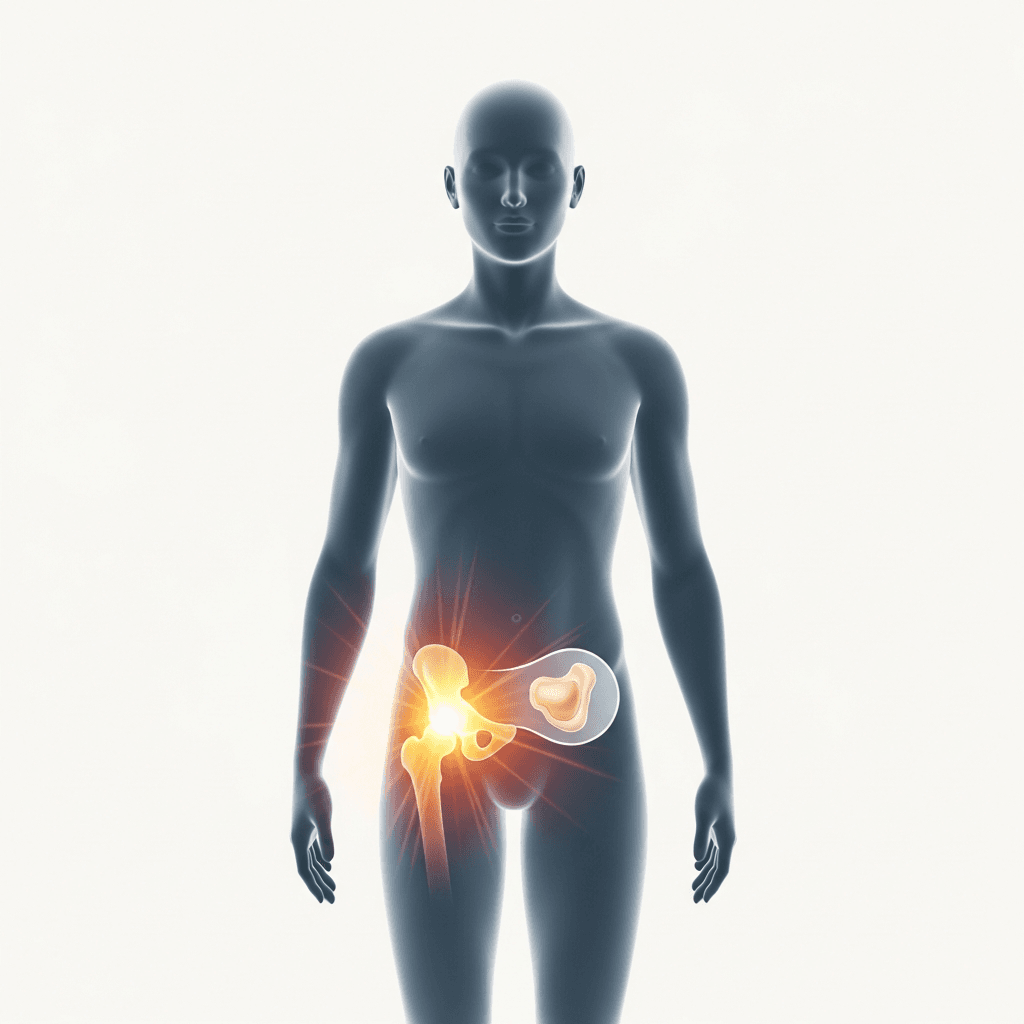
Fractured pelvis
Typical Treatment
Emergency stabilization and blood loss management, Surgical fixation with plates and screws, External fixation devices, Physical therapy and mobility training, Pain management protocols, Non-weight bearing restrictions
Recovery Timeline
3-4 months for non-surgical cases, 6-9 months for surgical patients, with elderly patients requiring extended recovery periods
Common Accident Causes
High-energy impacts in motor vehicle accidents, particularly side-impact collisions, head-on crashes, and rollover accidents where occupants experience severe compression forces
Impact Speed Range
May occur at speeds as low as 30-60+ mph
Common Collision Types
Side-impact, Head-on
Pelvic fractures in motor vehicle accidents typically occur during high-energy impacts that create severe compressive or rotational forces on the pelvic ring. Side-impact collisions are particularly dangerous, as the direct force can crush the pelvis against the vehicle's interior. In head-on crashes, occupants may experience pelvic fractures when their bodies are thrown forward against dashboard components or when the vehicle's structure intrudes into the passenger compartment.
The pelvic ring consists of strong bones that require significant force to break, making these injuries indicators of severe trauma. Rollover accidents can cause multiple fracture patterns as occupants are subjected to various directional forces. The proximity of major blood vessels and organs to pelvic bones makes these fractures particularly dangerous, often requiring immediate emergency intervention to address life-threatening bleeding and associated injuries.
No upfront fees. No fee unless we recover money for you.
We'll get back to you as soon as possible.
(480) 899-9019 — free consultation
Treatment for pelvic fractures depends on fracture stability and displacement. Stable fractures with minimal displacement may be managed with conservative care, including pain management, restricted weight-bearing activities, and gradual mobility restoration. Patients typically use crutches or walkers for several weeks while bones heal naturally.
Unstable pelvic fractures usually require surgical intervention to restore structural integrity. Surgeons may use various fixation methods, including internal plates and screws, external fixation devices, or combination approaches depending on fracture patterns. Post-surgical patients face extended non-weight-bearing periods of six to ten weeks, followed by gradual rehabilitation. Physical therapy plays a crucial role in restoring mobility, strength, and function throughout the recovery process.
Pelvic fractures can result in serious long-term complications that significantly impact quality of life. Nerve damage may cause chronic pain, numbness, or weakness in the legs and pelvic region. Some patients develop sexual dysfunction due to nerve injury or structural changes. Bladder and bowel function may be permanently affected, requiring ongoing medical management.
Post-traumatic arthritis commonly develops in the hip joints and sacroiliac joints, causing chronic pain and mobility limitations. Leg length discrepancies may occur if fractures heal improperly, leading to gait abnormalities and secondary back problems. Early documentation of these injuries is crucial for legal claims, as some complications may not manifest until months after the initial trauma, potentially affecting the ability to pursue full compensation for long-term care needs and disability.
Just been in an accident? See our step-by-step guide →
No upfront fees. No fee unless we recover money for you.
We'll get back to you as soon as possible.
(480) 899-9019 — free consultation
From the Blog: Learn more about protecting your rights in our Arizona injury law blog.
