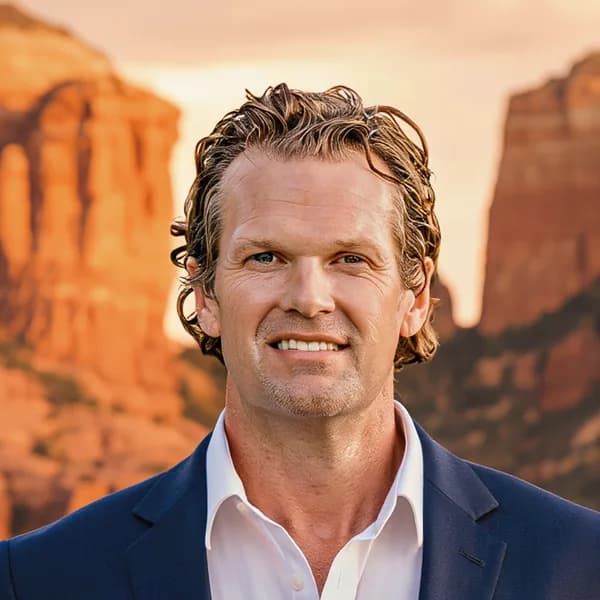
Price Road commuters and Loop 101 rush-hour collisions create serious cases — Henry handles them personally.
Injured in a Chandler accident? Henry Beam is a former prosecutor who has represented Arizona injury victims for 17+ years — and when you hire him, you work with him directly, not a call center.
Henry Beam · AZ Bar #026708 · 17+ Years in Arizona Law · Free Consultation
No legal fees unless we win · Serving all of Arizona
· 17+ years Arizona personal injury law
Chandler's rapid growth as a major tech hub has created dangerous traffic conditions throughout the city, with Loop 202 being identified as a high-crash area in Arizona highway stretches and I-10 carrying heavy commercial traffic through the area. The convergence of major highways including Loop 101, I-10, and SR-87 creates multiple high-risk zones, while busy commercial areas like Chandler Fashion Center and the Price Road Corridor see frequent accidents involving distracted drivers and pedestrians.
Henry Beam serves Chandler clients with convenient local meetings, comprehensive case investigations, and deep knowledge of Maricopa County courts. We understand the unique challenges facing accident victims in Chandler's fast-growing community and gather information from local emergency responders and medical providers to build strong cases for our clients.
If you or someone you care about was injured in Chandler or anywhere in Maricopa County, the most important step is getting honest answers about your situation. Henry offers a free, no-obligation consultation to every person who reaches out — whether by phone, video, or chat. There is no cost to find out where you stand, and if Henry takes your case, you pay nothing unless he wins. Chandler personal injury cases are time-sensitive under Arizona law, so reaching out sooner gives Henry more time to investigate your accident and build the strongest possible case.
Rear-end and intersection collisions on Loop 202, Arizona Avenue, and the Price Road tech corridor are Chandler's most common crash patterns. Arizona's at-fault system means proving the other driver's negligence determines who pays.
Commercial trucks moving freight along Loop 202 and I-10 near Maricopa create catastrophic-injury cases governed by federal regulations and multiple layers of insurance. Evidence like ELD and black-box data degrades fast.
Riders face unfair bias from insurers and juries. Left-turn collisions and lane-change crashes on Chandler's arterials are common. Arizona has no universal helmet law, and that does not reduce a rider's right to recover.
When a Chandler family loses someone to another party's negligence, ARS § 12-612 limits who may file to the surviving spouse, children, parents, guardian, or the estate's personal representative. The deadline is two years from the date of death.
Downtown Chandler, the Fashion Center, and Arizona Avenue see frequent pedestrian incidents. Comparative fault often becomes the central dispute — insurers argue the pedestrian shared blame to cut the payout.
Rideshare crashes turn on the driver's app status at the moment of the collision, which determines whether personal coverage or Uber/Lyft's $1M policy applies. App data is critical evidence.
Property owners in Chandler — from the Fashion Center to apartment complexes — owe a duty to keep premises reasonably safe. These cases require prompt evidence preservation before conditions are repaired.
The corridors and intersections that generate the most serious crashes in and around Chandler:
Chandler's tech-corridor economy drives long daily commutes — the median commute runs above the Arizona average. More miles on Loop 202, Loop 101, and the Price Road corridor means more crash exposure, and insurers fight harder against the high lost-wage claims of injured professionals.
Real settlements, prepared like trials — by a lawyer who started his career prosecuting cases.
If a Government Entity Was Involved — Shorter Deadlines Apply
When the at-fault party may be a government entity — a city or county, a public school, a state agency, ADOT, a police or sheriff department, a public hospital, or a government-owned road or vehicle — Arizona imposes two deadlines that are much shorter than the general two-year period:
Missing the 180-day notice typically bars the claim entirely, regardless of how strong the case is. Early legal review helps identify whether a government defendant applies and protects both deadlines.
Uninsured Motorist
Pre-trial recovery for client struck by an uninsured driver. Pursued claim through client's own UM coverage.
Auto Accident
Client suffered multiple injuries in a vehicle collision. Settlement covered medical bills and lost wages.
Past results do not guarantee a similar outcome. Every case is different. Results listed include cases where Henry Beam served as lead or co-lead counsel.
Serving Chandler and all of Arizona — phone, video, or in person.
No upfront fees. No legal fees unless we recover money for you.
We'll get back to you as soon as possible.
(480) 899-9019 — free consultation