Maria is an intake coordinator. She does not provide legal advice.
Rib fractures
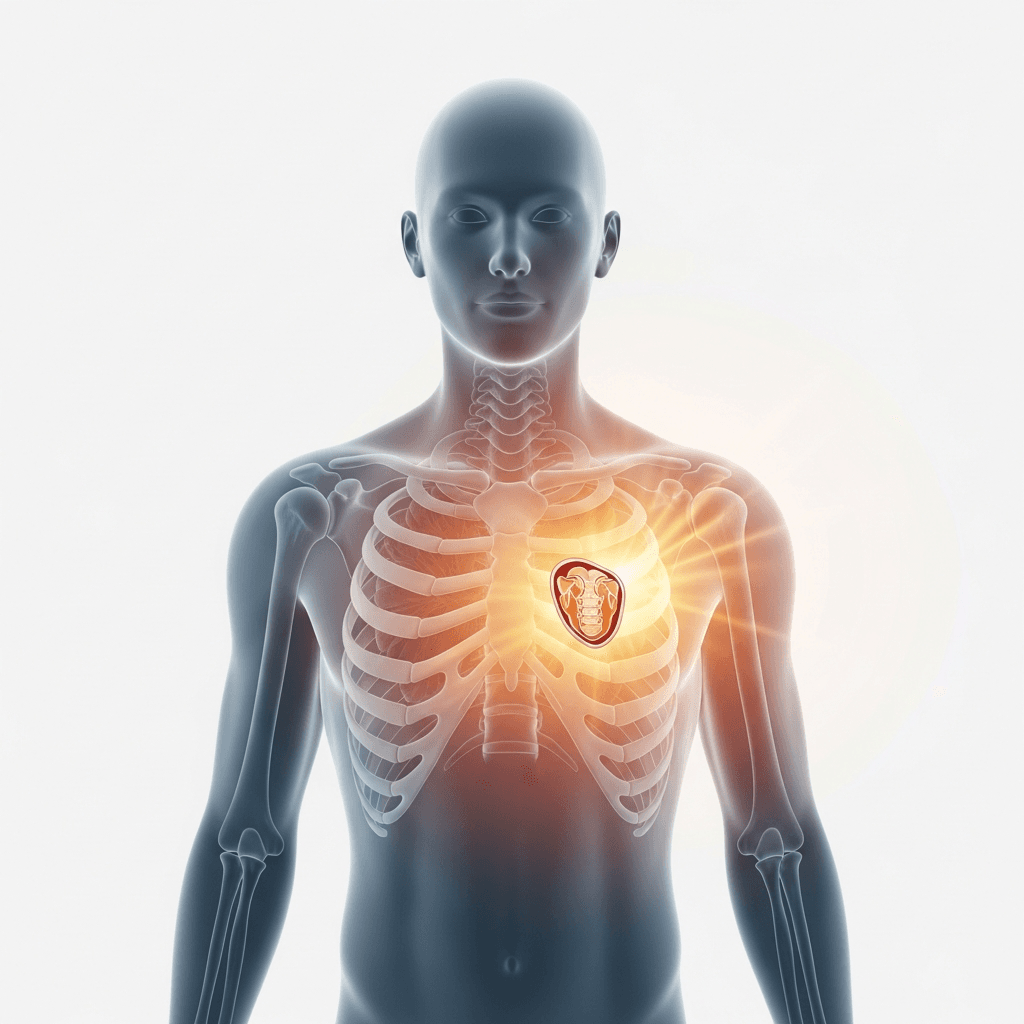
Typical Treatment
Pain management medications, Breathing exercises and pulmonary therapy, Chest imaging (X-rays, CT scans), Physical therapy for mobility, Surgical repair for severe fractures, Monitoring for complications
Recovery Timeline
6-12 weeks for simple fractures, 3-6 months for multiple or complex breaks with ongoing pain management
Common Accident Causes
Broken ribs commonly result from chest impact against steering wheels, seat belts, airbags, or side doors during collisions, with forces from sudden deceleration causing the rib cage to compress or twist
Broken ribs occur in vehicle accidents when the chest experiences direct impact or compression forces. During frontal collisions, occupants may strike the steering wheel or dashboard, causing ribs to fracture from blunt force trauma. Seat belts, while life-saving, can also cause rib fractures when they lock during sudden deceleration, applying significant pressure across the chest.
Side-impact collisions frequently result in multiple rib fractures as the door panel intrudes into the passenger compartment. The ribs on the impact side absorb tremendous force, often breaking in multiple locations. Rollover accidents can cause rib fractures from occupants being thrown against interior surfaces or from the roof crushing inward.
The mechanism of injury affects the fracture pattern and severity. Simple fractures involve a single break in one rib, while complex injuries may involve multiple ribs broken in several places, potentially creating a flail chest condition that significantly impairs breathing function.
No upfront fees. No fee unless we recover money for you.
We'll get back to you as soon as possible.
(480) 899-9019 — free consultation
Medical treatment for broken ribs focuses on pain management and preventing complications. Healthcare providers typically prescribe pain medications to allow patients to breathe deeply and cough effectively, reducing the risk of pneumonia. Breathing exercises and incentive spirometry help maintain lung function during the healing process.
Imaging studies including chest X-rays and CT scans help determine the extent of fractures and identify any associated injuries to internal organs. Physical therapy may be recommended to maintain mobility and prevent muscle weakness. In cases of multiple fractures or flail chest, hospitalization for monitoring and respiratory support may be necessary.
Severe cases involving displaced fractures or those causing punctured lungs may require surgical intervention. Surgical fixation involves placing plates and screws to stabilize the ribs, allowing for proper healing and faster recovery. Most broken ribs heal naturally over 6-12 weeks, though pain management remains crucial throughout the recovery period.
Broken ribs can lead to serious long-term complications that significantly impact quality of life. Pneumonia represents the most common complication, occurring when pain prevents adequate coughing and deep breathing, allowing fluid to accumulate in the lungs. This risk increases substantially in elderly patients or those with multiple rib fractures.
Chronic pain syndromes may develop when nerves become damaged during the initial injury or healing process. Some accident victims experience persistent chest pain months or years after the fractures have healed, requiring ongoing pain management and potentially limiting work capacity and daily activities.
Rib fractures near vital organs can cause life-threatening complications including punctured lungs (pneumothorax), lacerated liver or spleen, or damage to major blood vessels. These complications often require emergency surgery and extended hospitalization. Early and thorough medical evaluation helps identify these risks and prevents minor injuries from becoming major health crises, making proper documentation essential for both medical care and legal claims.
Just been in an accident? See our step-by-step guide →
No upfront fees. No fee unless we recover money for you.
We'll get back to you as soon as possible.
(480) 899-9019 — free consultation
From the Blog: Learn more about protecting your rights in our Arizona injury law blog.
