Maria is an intake coordinator. She does not provide legal advice.
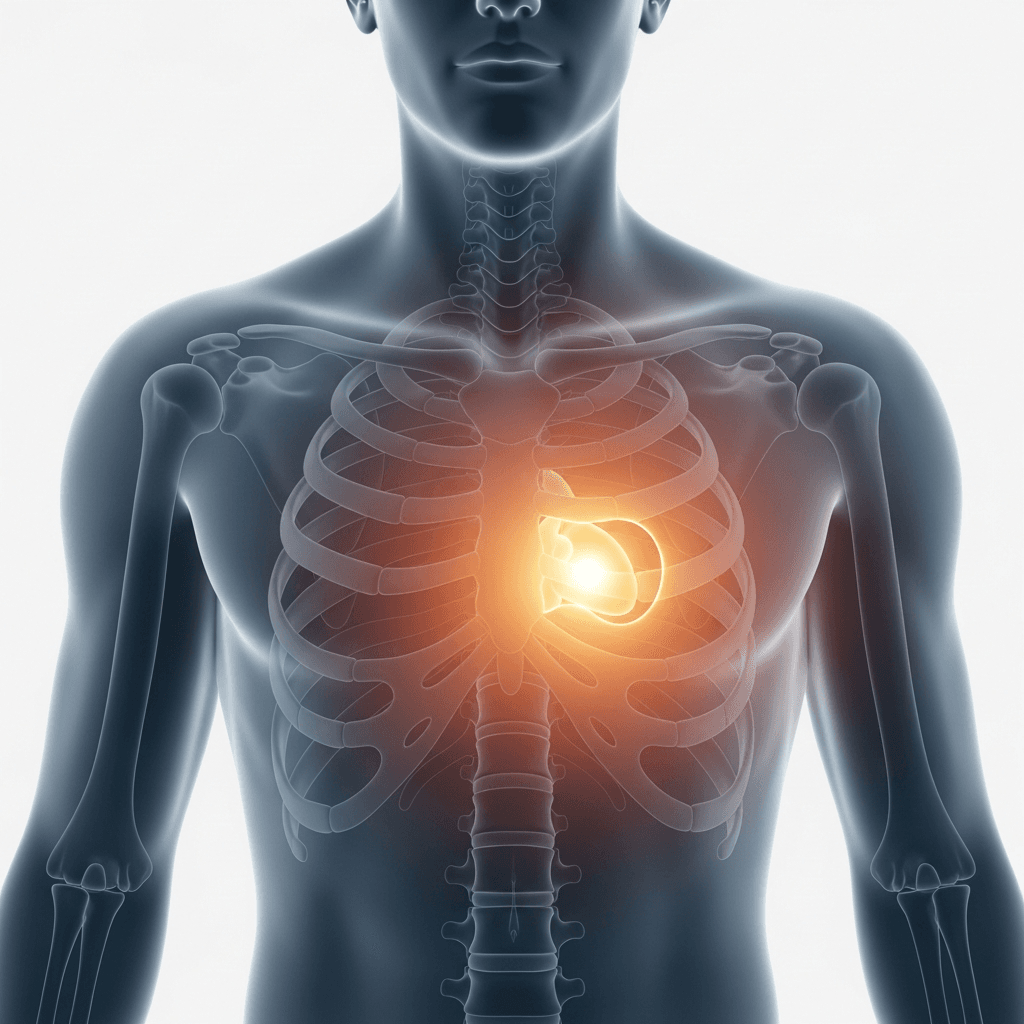
Myocardial contusion
Typical Treatment
Heart monitoring in the hospital to watch for dangerous rhythms, Medications to control heart rate and blood pressure, Rest and activity restrictions while the heart muscle heals, Treatment for other chest injuries like broken ribs, Follow-up heart tests to check healing progress
Recovery Timeline
Often 4-6 weeks for mild cases, though more serious heart contusions may take several months to heal completely
Common Accident Causes
Heart contusions typically happen when someone's chest slams into the steering wheel, dashboard, or seatbelt during a collision, causing the heart muscle to get squeezed and bruised against the breastbone.
Impact Speed Range
May occur at speeds as low as 30-60+ mph
Common Collision Types
Head-on
Heart contusions happen when tremendous force hits the chest during a car accident. The most common cause is when someone's chest slams into the steering wheel or dashboard during a frontal collision. The impact can also occur from the seatbelt itself during sudden stops, though seatbelts prevent far more serious injuries than they cause.
The heart sits between the breastbone and the spine, cushioned by the lungs. When the chest gets hit hard, the heart muscle can get squeezed and bruised against these structures. High-speed crashes and collisions where vehicles suddenly stop often create the kind of forces needed to injure the heart muscle.
Not every chest impact causes a heart contusion. The injury tends to happen more often in serious accidents where other chest injuries like broken ribs also occur. Side-impact crashes can sometimes cause heart contusions too, especially when the impact happens on the driver's side where the heart is located.
No upfront fees. No fee unless we recover money for you.
We'll get back to you as soon as possible.
(480) 899-9019 — free consultation
Doctors often start by monitoring the heart's rhythm and function in the hospital. Many people with suspected heart contusions stay overnight or longer so medical staff can watch for dangerous heart rhythms or signs that the heart isn't pumping well. Heart monitors track the electrical activity, while blood tests can show if heart muscle has been damaged.
Treatment usually focuses on managing symptoms and preventing complications. Doctors may prescribe medications to control heart rate, reduce blood pressure, or prevent dangerous rhythms. Pain medications help with chest discomfort, though doctors often avoid certain pain relievers that can affect heart function. Many people also need treatment for other chest injuries that happened in the same accident.
Most people with mild heart contusions recover with rest and careful monitoring. More serious cases might need intensive care and specialized heart medications. Doctors typically restrict physical activity during healing and schedule follow-up appointments to make sure the heart is recovering properly. Some people need ongoing heart monitoring for weeks or months after the accident.
Sometimes what seems like a mild heart contusion can turn out to be more serious as symptoms develop over the first few days. The heart muscle might not pump as effectively as it should, leading to fluid buildup in the lungs or legs. Dangerous heart rhythms can also develop, which is why doctors often keep people in the hospital for monitoring even when they feel okay initially.
In rare cases, severe heart contusions can cause life-threatening problems like heart failure or tears in the heart muscle. These complications might not show up immediately after the accident. Some people develop ongoing heart rhythm problems that need long-term treatment, while others might have reduced heart function that affects their daily activities for months or even permanently.
Clinical terminology for medical and legal professionals
Myocardial contusion, also known as cardiac contusion or blunt myocardial injury, is a traumatic injury to the myocardium resulting from blunt chest trauma. The injury occurs when external force is transmitted through the chest wall to the heart muscle, causing cellular damage, hemorrhage, and edema within the myocardial tissue. The condition can range from minor subepicardial or subendocardial hemorrhage to transmural myocardial necrosis. Diagnosis typically involves electrocardiography, cardiac enzyme elevation (particularly troponin levels), and echocardiography to assess wall motion abnormalities. The injury may be associated with other thoracic trauma including rib fractures, pulmonary contusions, and pneumothorax. Complications can include cardiac arrhythmias, heart failure, cardiac rupture, and hemodynamic instability requiring intensive cardiac monitoring and supportive care.
Just been in an accident? See our step-by-step guide →
No upfront fees. No fee unless we recover money for you.
We'll get back to you as soon as possible.
(480) 899-9019 — free consultation
From the Blog: Learn more about protecting your rights in our Arizona injury law blog.
