Maria is an intake coordinator. She does not provide legal advice.
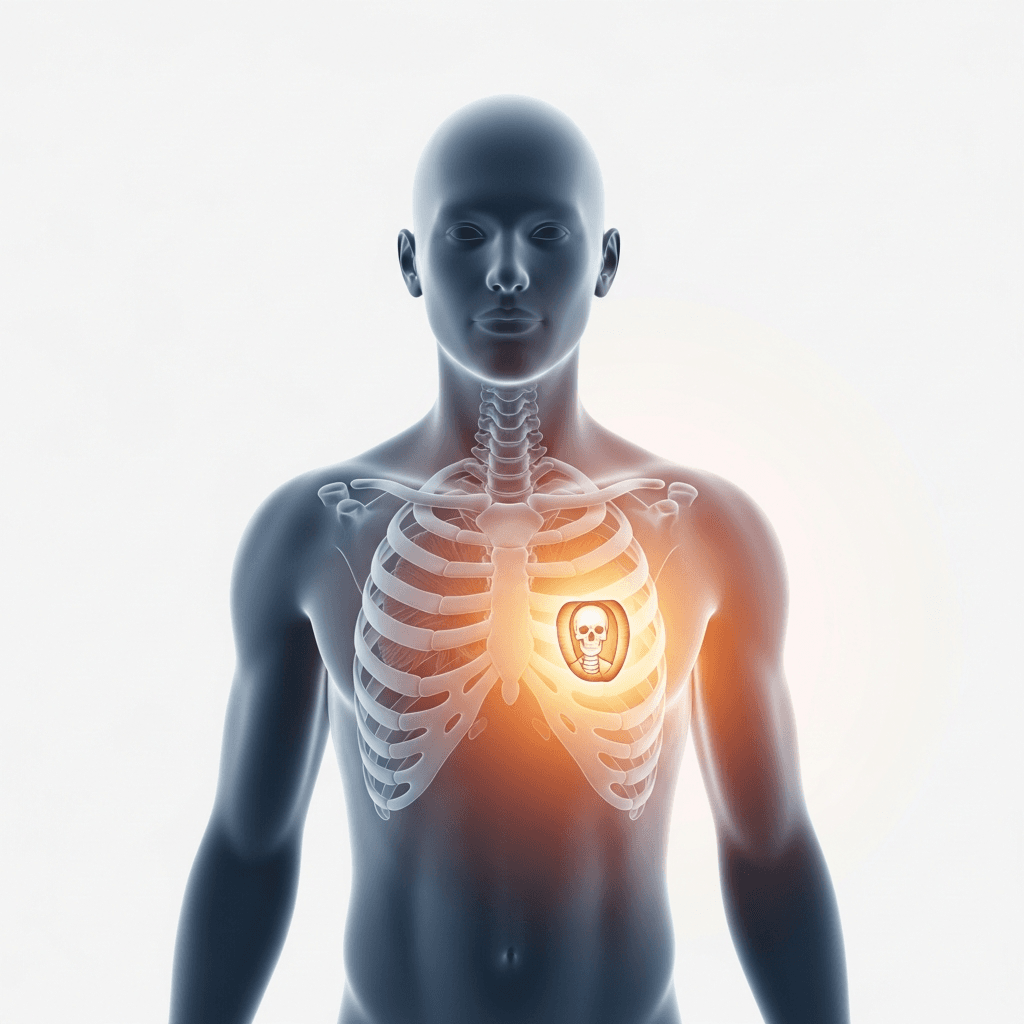
Flail chest
Typical Treatment
Pain medication to help with breathing and movement, Breathing exercises and respiratory therapy to prevent lung complications, Chest tube placement if air or fluid builds up around the lungs, Surgery to reconnect broken ribs with metal plates and screws, Hospital monitoring to watch for breathing problems, Physical therapy to rebuild chest and shoulder strength
Recovery Timeline
Often 2-4 months for basic healing, though complete recovery can take 6-12 months depending on complications and whether surgery was needed
Common Accident Causes
Flail chest typically occurs when the chest hits the steering wheel, dashboard, or airbag with tremendous force, or when the seatbelt restrains the body during a severe frontal or side-impact collision.
Impact Speed Range
May occur at speeds as low as 40-60+ mph
Common Collision Types
Head-on, Side-impact
Flail chest happens when tremendous force crushes the ribcage during a car accident. The most common cause is when someone's chest slams into the steering wheel, dashboard, or gets compressed by a seatbelt during a high-speed crash. The impact can also occur during rollovers when the roof caves in, or in side-impact collisions where the door intrudes into the passenger space.
The force needs to be severe enough to break multiple ribs in multiple places. When this happens, a section of the chest wall becomes disconnected from the rest of the ribcage. This floating piece of chest wall can't move normally with breathing, creating what doctors call paradoxical movement.
The same violent impact that breaks the ribs often bruises the lungs underneath (pulmonary contusion). This combination of broken ribs and bruised lungs makes it extremely difficult to breathe properly and can be life-threatening without immediate medical care.
No upfront fees. No fee unless we recover money for you.
We'll get back to you as soon as possible.
(480) 899-9019 — free consultation
Treatment for flail chest typically starts with managing pain and breathing problems. Doctors often prescribe strong pain medications because the severe pain makes it hard to breathe deeply, which can lead to lung complications. Patients usually need respiratory therapy to learn breathing exercises and may require oxygen support or even a breathing machine in severe cases.
Many people with flail chest need surgery to stabilize the broken ribs. Surgeons use metal plates and screws to reconnect the broken bone pieces, which helps restore normal chest wall movement. This surgical repair (called rib fixation) can significantly improve breathing and reduce recovery time. Some patients also need chest tubes inserted to drain air or fluid that builds up around the lungs.
Recovery requires careful monitoring in the hospital, often for one to two weeks. Physical therapy starts early to prevent muscle weakness and help restore normal chest movement. The goal is to prevent complications like pneumonia while the ribs heal and the chest wall regains its strength and stability.
The biggest concern with flail chest is that breathing problems can get worse over time, even after the initial injury. The bruised lungs that often accompany flail chest can develop into more serious conditions like pneumonia or fluid buildup around the lungs. People may find their breathing becoming more difficult in the days following the accident, not better.
Long-term complications can include chronic pain, reduced lung capacity, and chest wall deformity if the ribs don't heal properly. Some people develop ongoing breathing difficulties that affect their ability to exercise or perform physical work. Without proper treatment, the unstable chest wall can lead to permanent changes in how the lungs function, which is why medical evaluation and follow-up care are so important for this type of injury.
Clinical terminology for medical and legal professionals
Flail chest is a life-threatening thoracic injury characterized by fractures of three or more consecutive ribs in two or more places, or a combination of rib fractures and costochondral separations that result in a free-floating segment of chest wall. This creates paradoxical chest wall motion where the flail segment moves inward during inspiration and outward during expiration, opposite to normal chest wall mechanics. The condition is commonly associated with pulmonary contusion (bruising of lung tissue) and can lead to severe respiratory compromise. Diagnosis is confirmed through clinical observation of paradoxical movement and imaging studies including chest X-ray and CT scan. ICD-10 codes include S22.5 (Flail chest) and associated codes for individual rib fractures. Treatment may involve surgical stabilization through open reduction and internal fixation (ORIF) of ribs, mechanical ventilation, and comprehensive pulmonary care to prevent complications such as pneumonia, acute respiratory distress syndrome (ARDS), and respiratory failure.
Just been in an accident? See our step-by-step guide →
No upfront fees. No fee unless we recover money for you.
We'll get back to you as soon as possible.
(480) 899-9019 — free consultation
From the Blog: Learn more about protecting your rights in our Arizona injury law blog.
