Maria is an intake coordinator. She does not provide legal advice.
Diffuse Axonal Injury
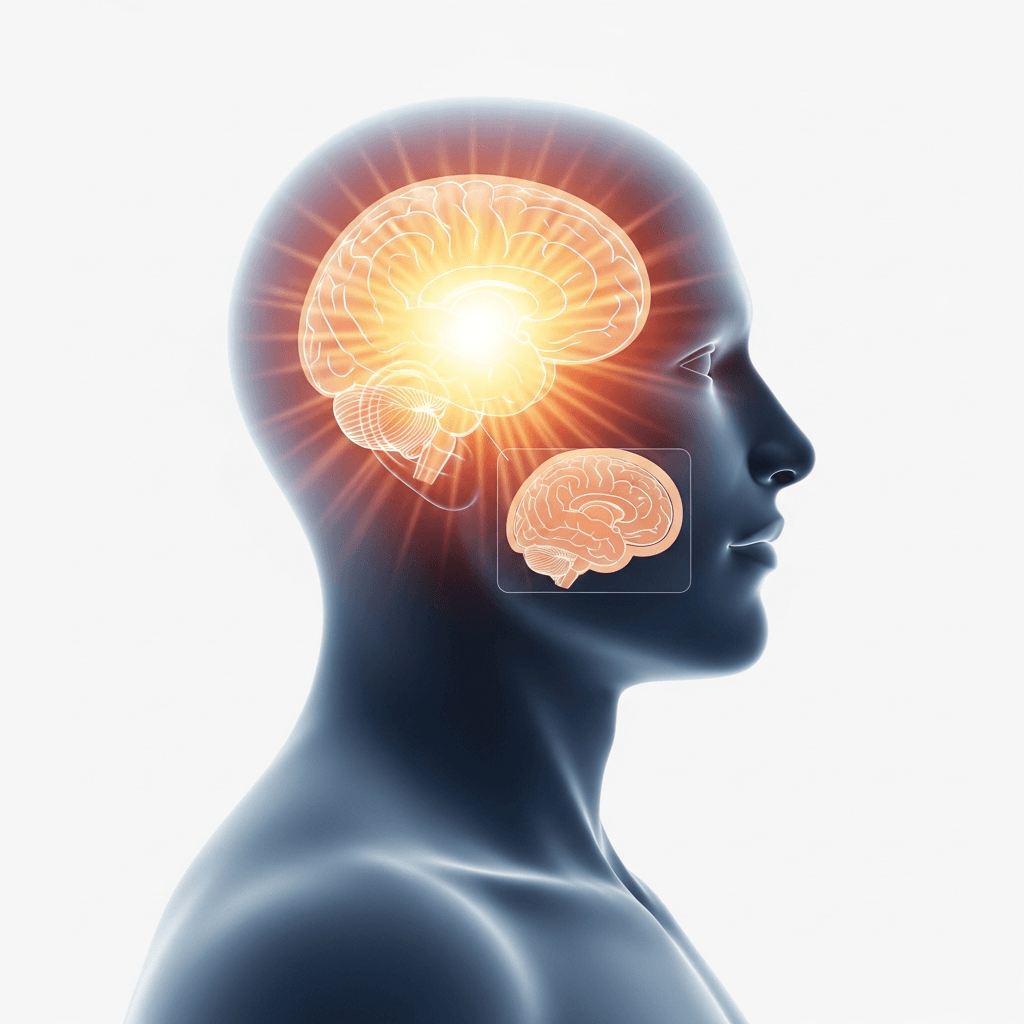
Typical Treatment
Immediate emergency care to reduce brain swelling and pressure, Medications to control seizures and manage brain pressure, Intensive care monitoring for severe cases, Physical therapy to regain motor skills and coordination, Speech therapy to address communication problems, Occupational therapy to relearn daily living skills
Recovery Timeline
Often several months to years, with some people experiencing ongoing effects depending on the severity of the nerve damage
Common Accident Causes
Diffuse axonal injury typically occurs when sudden acceleration or deceleration forces cause the brain to rotate and shift rapidly inside the skull, commonly in high-speed crashes or when the head whips violently during impact.
Impact Speed Range
May occur at speeds as low as 30-60+ mph
Common Collision Types
Side-impact, Rollover
When a car suddenly stops or changes direction, the brain continues moving inside the skull due to momentum. This creates rotational forces that stretch and tear the long nerve fibers (axons) that connect different parts of the brain. Unlike other brain injuries that affect one specific area, diffuse axonal injury damages nerve pathways throughout the brain.
The injury often happens during high-speed crashes, rollovers, or when the head whips back and forth violently. The brain tissue itself may look normal on basic scans, but the microscopic nerve connections can be severely damaged. This is why someone might seem okay initially but develop serious symptoms later.
The tearing of these nerve fibers disrupts communication between different brain regions. This can affect everything from consciousness and memory to coordination and personality, depending on which pathways are damaged.
No upfront fees. No fee unless we recover money for you.
We'll get back to you as soon as possible.
(480) 899-9019 — free consultation
Emergency treatment focuses on reducing brain swelling and pressure, which can cause additional damage. Doctors often use medications and sometimes surgery to manage these immediate concerns. Patients with severe cases may need intensive care monitoring for days or weeks.
Once the initial crisis passes, treatment shifts to rehabilitation. Physical therapists help people regain movement and coordination skills that may have been affected. Speech therapists work on communication problems, while occupational therapists help relearn daily tasks like dressing or cooking.
Recovery varies greatly from person to person. Some people with mild cases may recover most functions within months, while others may need ongoing therapy and support. The brain has some ability to form new connections over time, which can help compensate for damaged pathways.
Diffuse axonal injury can lead to long-term problems that may not be immediately apparent. Some people develop persistent cognitive issues like memory problems, difficulty concentrating, or trouble processing information quickly. These symptoms can significantly impact work, relationships, and daily life.
More severe cases can result in lasting physical disabilities, personality changes, or seizure disorders. Some people experience chronic fatigue, sleep disturbances, or emotional regulation problems. Early and ongoing medical care can help identify and address these complications as they develop.
Clinical terminology for medical and legal professionals
Diffuse axonal injury (DAI) is a form of traumatic brain injury characterized by widespread damage to axons throughout the brain due to rotational and acceleration-deceleration forces. The injury occurs when shearing forces cause stretching and tearing of axonal connections, particularly at gray-white matter junctions. DAI is classified into three grades based on MRI findings: Grade I involves lesions in the frontal and temporal white matter, Grade II includes corpus callosum involvement, and Grade III extends to the brainstem. The pathophysiology involves primary axotomy followed by secondary axonal disconnection due to cytoskeletal disruption and impaired axonal transport. This injury pattern typically results from high-energy trauma and is associated with prolonged coma, significant morbidity, and poor functional outcomes. ICD-10 classification falls under S06.2 (Diffuse traumatic brain injury).
Just been in an accident? See our step-by-step guide →
No upfront fees. No fee unless we recover money for you.
We'll get back to you as soon as possible.
(480) 899-9019 — free consultation
From the Blog: Learn more about protecting your rights in our Arizona injury law blog.
