Maria is an intake coordinator. She does not provide legal advice.
Severe TBI
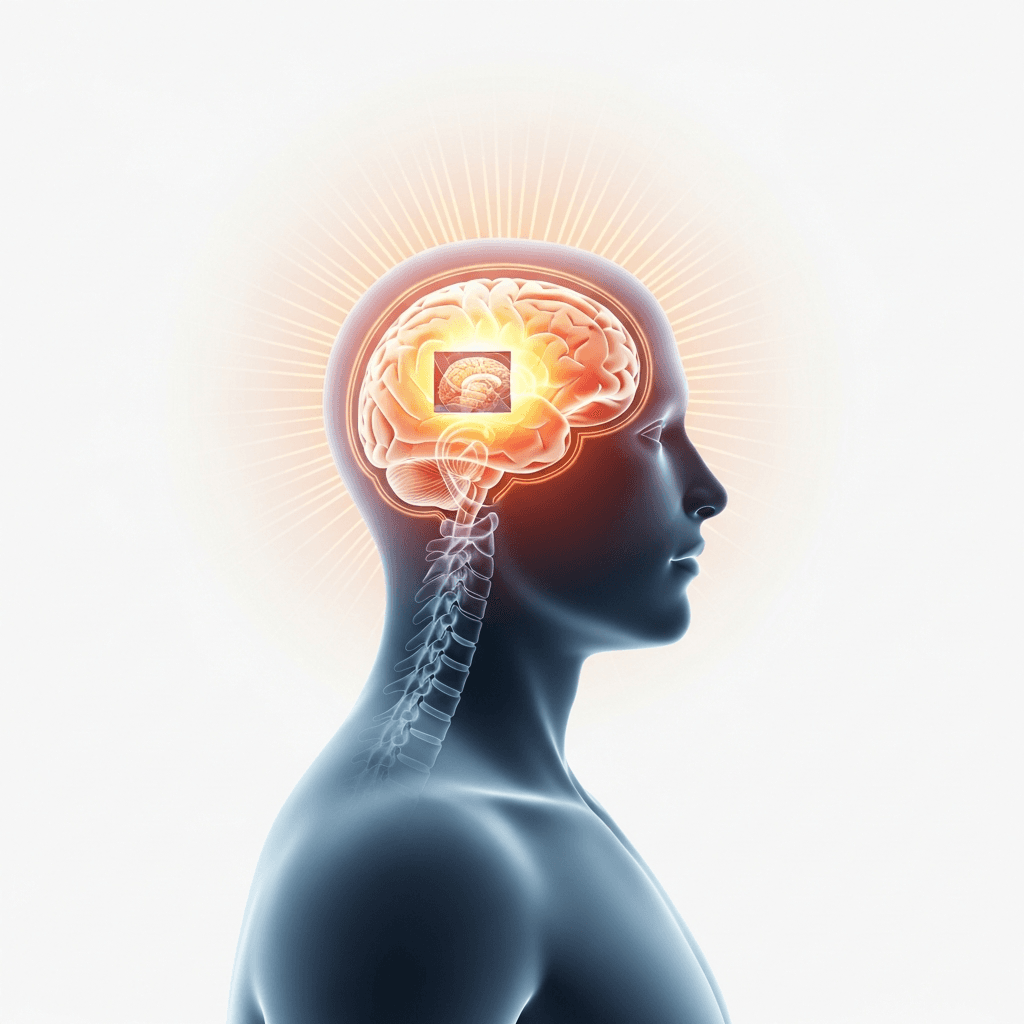
Typical Treatment
Emergency neurosurgery, Intensive care monitoring, Intracranial pressure management, Cognitive rehabilitation therapy, Physical and occupational therapy, Speech-language pathology
Recovery Timeline
Months to years of intensive rehabilitation, with many patients experiencing permanent disabilities requiring lifelong care
Common Accident Causes
High-impact collisions causing violent head movement, direct impact with vehicle interior, or penetrating injuries from debris
Impact Speed Range
May occur at speeds as low as 40-60+ mph
Common Collision Types
Head-on, Side-impact, Rollover
Severe traumatic brain injury occurs when extreme forces cause widespread damage to brain tissue during high-speed collisions, rollovers, or crashes involving large vehicles. The brain experiences primary injury from direct impact or penetrating objects, followed by secondary injury from swelling, bleeding, and oxygen deprivation. In motor vehicle accidents, severe brain injuries typically result from unrestrained occupants striking the dashboard, windshield, or being ejected from the vehicle. The rotational forces during impact can cause diffuse axonal injury, where nerve fibers throughout the brain are torn or stretched beyond repair. Motorcycle accidents, pedestrian strikes, and commercial vehicle collisions frequently produce the high-energy impacts necessary to cause severe brain trauma.
No upfront fees. No fee unless we recover money for you.
We'll get back to you as soon as possible.
(480) 899-9019 — free consultation
Emergency treatment for severe traumatic brain injury focuses on preventing secondary brain damage through surgical intervention and intensive monitoring. Neurosurgeons may perform craniotomies to relieve pressure, remove blood clots, or repair skull fractures, while medical teams monitor intracranial pressure and maintain adequate brain oxygenation. Once medically stable, patients typically require extensive rehabilitation involving multiple specialists including neurologists, physiatrists, and rehabilitation therapists. Long-term treatment often includes cognitive rehabilitation to address memory and thinking problems, physical therapy to restore motor function, and occupational therapy to relearn daily living skills. Speech-language pathologists work with patients experiencing communication difficulties, while neuropsychologists help address behavioral and emotional changes. Many severe brain injury survivors require assistive devices, home modifications, and ongoing medical management for complications such as seizures, hormonal imbalances, and chronic pain.
Severe traumatic brain injury frequently results in permanent disabilities that profoundly impact every aspect of a person's life, from basic daily activities to employment capacity and social relationships. Research indicates that life expectancy may be reduced by an average of nine years following severe brain injury, with survivors facing increased risks of seizures, infections, and progressive neurological decline. Cognitive complications can include persistent memory problems, difficulty with attention and concentration, and impaired judgment that affects decision-making abilities. Physical complications may involve paralysis, coordination problems, chronic headaches, and sensory impairments affecting vision, hearing, or speech. These long-term effects create substantial financial burdens through ongoing medical costs, rehabilitation expenses, and lost earning capacity, making thorough documentation of initial injuries and immediate medical intervention crucial for both recovery outcomes and legal claims.
Just been in an accident? See our step-by-step guide →
No upfront fees. No fee unless we recover money for you.
We'll get back to you as soon as possible.
(480) 899-9019 — free consultation
From the Blog: Learn more about protecting your rights in our Arizona injury law blog.
