Maria is an intake coordinator. She does not provide legal advice.
Moderate TBI
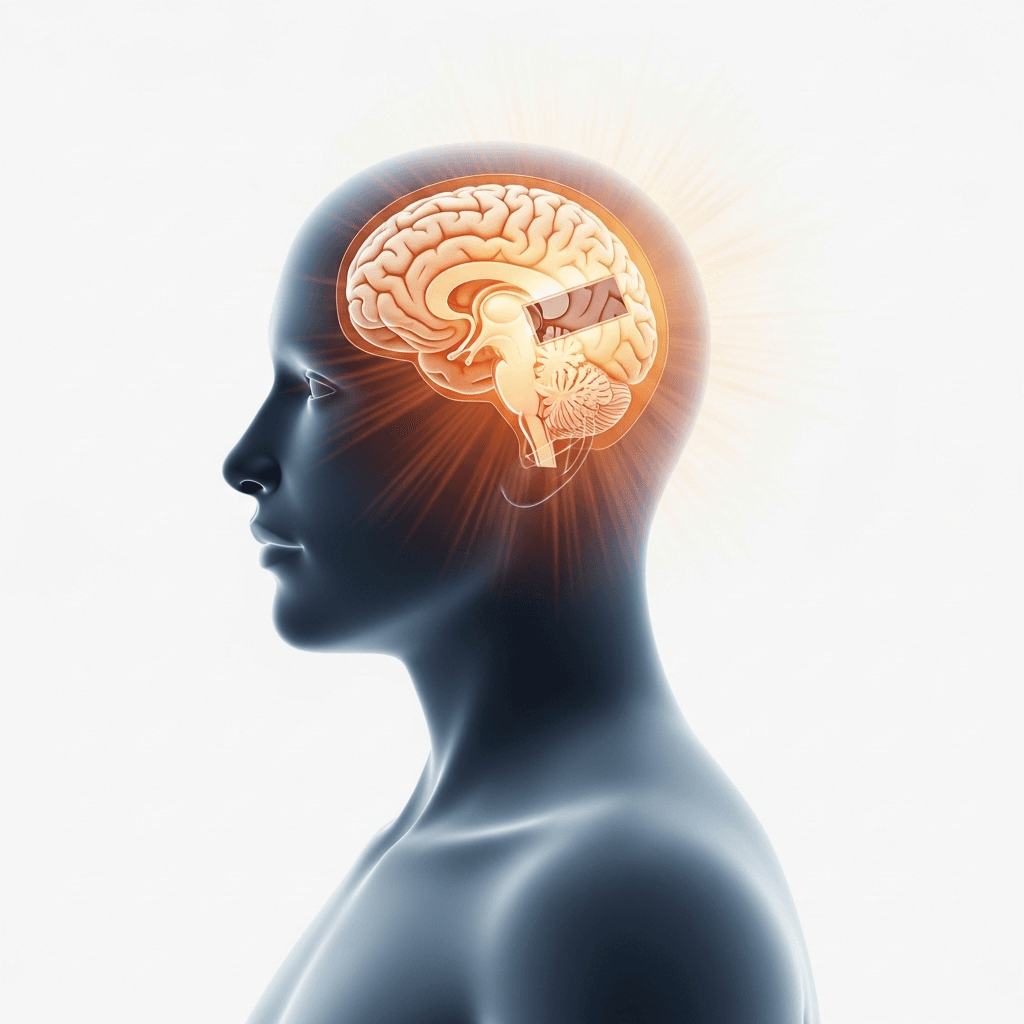
Typical Treatment
Hospitalization for monitoring and preventing complications, Anti-seizure medications to prevent seizures in the first week, Cognitive rehabilitation therapy to help with memory and thinking problems, Physical therapy to address balance and coordination issues, Speech therapy for communication difficulties, Occupational therapy to relearn daily activities
Recovery Timeline
Often 6-18 months for significant improvement, though some effects may last years or become permanent
Common Accident Causes
The head strikes the steering wheel, dashboard, or window during impact, or the brain bounces violently inside the skull from sudden acceleration and deceleration forces.
Impact Speed Range
May occur at speeds as low as 30-50+ mph
Common Collision Types
Head-on, Side-impact
Car accidents create powerful forces that slam the brain against the inside of the skull. During a collision, the head may strike hard surfaces like the steering wheel or window, causing direct trauma. Even without direct impact, the sudden stopping and starting motion whips the head back and forth violently.
This whiplash motion causes the soft brain tissue to bounce and twist inside the hard skull. The brain can suffer bruising (called contusions) and torn nerve fibers throughout. The damage often happens in multiple areas - both where the brain hits the skull and on the opposite side where it rebounds.
Frontal and side-impact crashes tend to cause the most serious brain injuries. The faster the collision and the more sudden the stop, the more severe the brain trauma can become.
No upfront fees. No fee unless we recover money for you.
We'll get back to you as soon as possible.
(480) 899-9019 — free consultation
Doctors typically admit people with moderate brain injuries to the hospital for close monitoring. Medical teams watch for dangerous complications like brain swelling, bleeding, or seizures. Patients often receive anti-seizure medications (anticonvulsants) during the first week to prevent seizures from occurring.
Once the immediate danger passes, treatment focuses on helping the brain heal and relearn damaged skills. Cognitive rehabilitation therapy works on memory, attention, and problem-solving abilities. Physical therapy addresses balance, coordination, and strength issues that brain injuries can cause.
Speech therapists help with communication problems, while occupational therapists teach people how to manage daily activities again. Some people need medications to manage mood changes, sleep problems, or other ongoing effects. The treatment team often includes neurologists, physiatrists, and various therapy specialists working together.
Brain injuries can be tricky because symptoms sometimes get worse over the first few days or weeks. What seems like a moderate injury might reveal more serious damage as brain swelling increases or bleeding develops. People may experience seizures, especially in the first week after injury, which is why doctors monitor patients closely.
Long-term effects can include lasting problems with memory, concentration, and personality changes that affect work and relationships. Some people develop chronic headaches, depression, or anxiety that persists for months or years. Balance problems and fatigue are common ongoing issues that can make returning to normal activities challenging.
Clinical terminology for medical and legal professionals
A moderate traumatic brain injury (TBI) is defined by a Glasgow Coma Scale score of 9-12, loss of consciousness lasting 30 minutes to 24 hours, and/or post-traumatic amnesia lasting 1-7 days. This classification indicates structural brain damage that may include cerebral contusions, diffuse axonal injury, or focal lesions visible on neuroimaging studies such as CT or MRI. Moderate TBI often involves disruption of neural pathways and can result in cognitive, physical, and behavioral impairments that may persist for months or years. The injury mechanism typically involves acceleration-deceleration forces causing the brain to impact the skull, resulting in both coup and contrecoup lesions. ICD-10 codes include S06.2X (diffuse traumatic brain injury) and related subcategories depending on specific findings and associated complications.
Just been in an accident? See our step-by-step guide →
No upfront fees. No fee unless we recover money for you.
We'll get back to you as soon as possible.
(480) 899-9019 — free consultation
From the Blog: Learn more about protecting your rights in our Arizona injury law blog.
