Maria is an intake coordinator. She does not provide legal advice.
Acute Kidney Injury
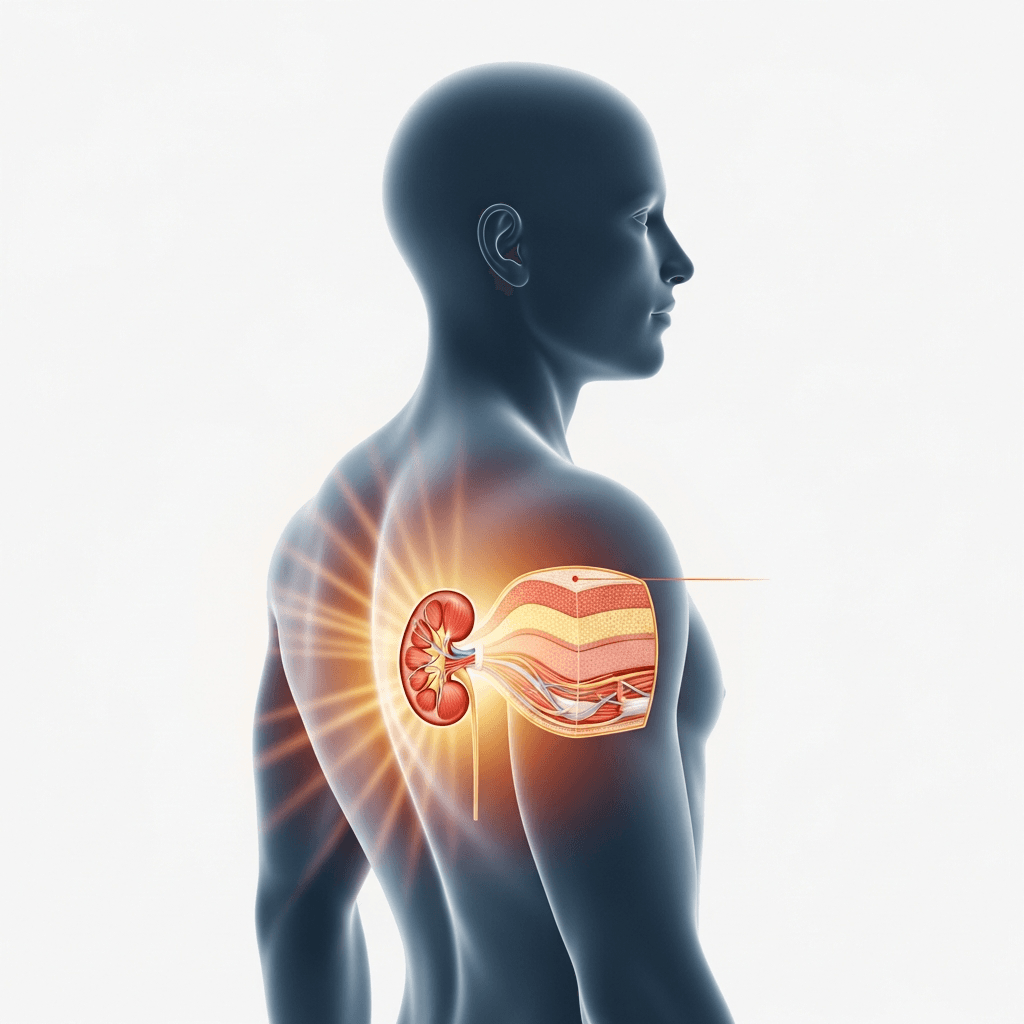
Typical Treatment
IV fluids to help kidneys filter waste more effectively, Medications to control blood pressure and protect kidney function, Dialysis to clean the blood when kidneys can't do their job, Surgery to repair damaged kidney tissue or blood vessels, Regular blood tests to monitor kidney recovery, Dietary changes to reduce strain on healing kidneys
Recovery Timeline
Often 2-6 weeks for mild cases, though severe kidney injuries may take months or lead to permanent changes in kidney function
Common Accident Causes
Kidney injury typically happens from direct impact to the back or sides during a collision, or from severe blood loss and shock that reduces blood flow to the kidneys.
Impact Speed Range
May occur at speeds as low as 25-50+ mph
Common Collision Types
Rear-end, Side-impact
The kidneys sit in the back part of the abdomen, protected by the lower ribs. During a car accident, sudden impact can crush the kidneys against the spine or ribs. This often happens in side-impact collisions or when someone's back strikes part of the car interior.
Kidney injury can also occur without direct trauma. Severe blood loss, shock, or dehydration from other injuries can reduce blood flow to the kidneys. When kidneys don't get enough blood, they can suddenly stop filtering waste properly, leading to acute kidney injury.
The force doesn't have to be enormous to cause kidney problems. Even moderate impacts can bruise kidney tissue or tear small blood vessels. Sometimes the injury develops hours or days after the accident as swelling and inflammation affect kidney function.
No upfront fees. No fee unless we recover money for you.
We'll get back to you as soon as possible.
(480) 899-9019 — free consultation
Doctors often start with IV fluids to help the kidneys work better and flush out waste products. They monitor kidney function with regular blood tests that measure creatinine and other waste products. Medications may be given to protect the kidneys and control blood pressure.
For more serious injuries, dialysis might be needed temporarily. This machine does the kidney's job of cleaning the blood until the kidneys can recover. Some people need dialysis for just a few days, while others require it for weeks or longer.
Surgical repair is sometimes necessary if the kidney is badly torn or if blood vessels are damaged. Surgeons may need to remove part of a kidney or repair bleeding areas. The goal is always to save as much healthy kidney tissue as possible.
Some people develop chronic kidney disease, meaning their kidneys never fully recover their ability to filter waste. This can lead to ongoing health problems and may eventually require long-term dialysis or kidney transplant. The risk is higher in people who had severe kidney injury or other health conditions.
Other complications can include dangerous fluid buildup in the lungs, heart problems from electrolyte imbalances, and increased risk of infections. Some people experience high blood pressure that persists long after the initial injury heals. Regular follow-up care is important because kidney problems can worsen gradually over time.
Clinical terminology for medical and legal professionals
Acute Kidney Injury (AKI) is defined as a sudden decrease in kidney function occurring within hours to days, characterized by elevated serum creatinine levels and decreased glomerular filtration rate. Renal trauma from blunt force can cause parenchymal lacerations, subcapsular hematomas, or vascular injuries. The condition is classified using RIFLE or AKIN criteria based on creatinine elevation and urine output. Post-traumatic AKI can progress to chronic kidney disease (CKD) and increases mortality risk due to electrolyte imbalances, fluid overload, and metabolic acidosis. Diagnostic workup includes serum creatinine, BUN, urinalysis for hematuria, and imaging studies such as CT with contrast enhancement.
Just been in an accident? See our step-by-step guide →
No upfront fees. No fee unless we recover money for you.
We'll get back to you as soon as possible.
(480) 899-9019 — free consultation
From the Blog: Learn more about protecting your rights in our Arizona injury law blog.
