Maria is an intake coordinator. She does not provide legal advice.
Splenic rupture
Typical Treatment
Immediate emergency care to stabilize bleeding and monitor vital signs, Blood transfusions if significant blood loss has occurred, Surgery to repair the spleen when possible to preserve immune function, Complete spleen removal in severe cases where repair isn't possible, Extended hospital monitoring to watch for delayed bleeding, Long-term follow-up care and vaccinations if the spleen is removed
Recovery Timeline
Often 3-12 weeks for initial healing, though complete recovery can take 3-6 months depending on whether surgery was needed
Common Accident Causes
A ruptured spleen typically occurs when the left side of the body strikes something hard during impact, like a steering wheel, door, or seatbelt, compressing the organ against the ribcage.
Impact Speed Range
May occur at speeds as low as 25-50+ mph
Common Collision Types
Side-impact (left), Head-on
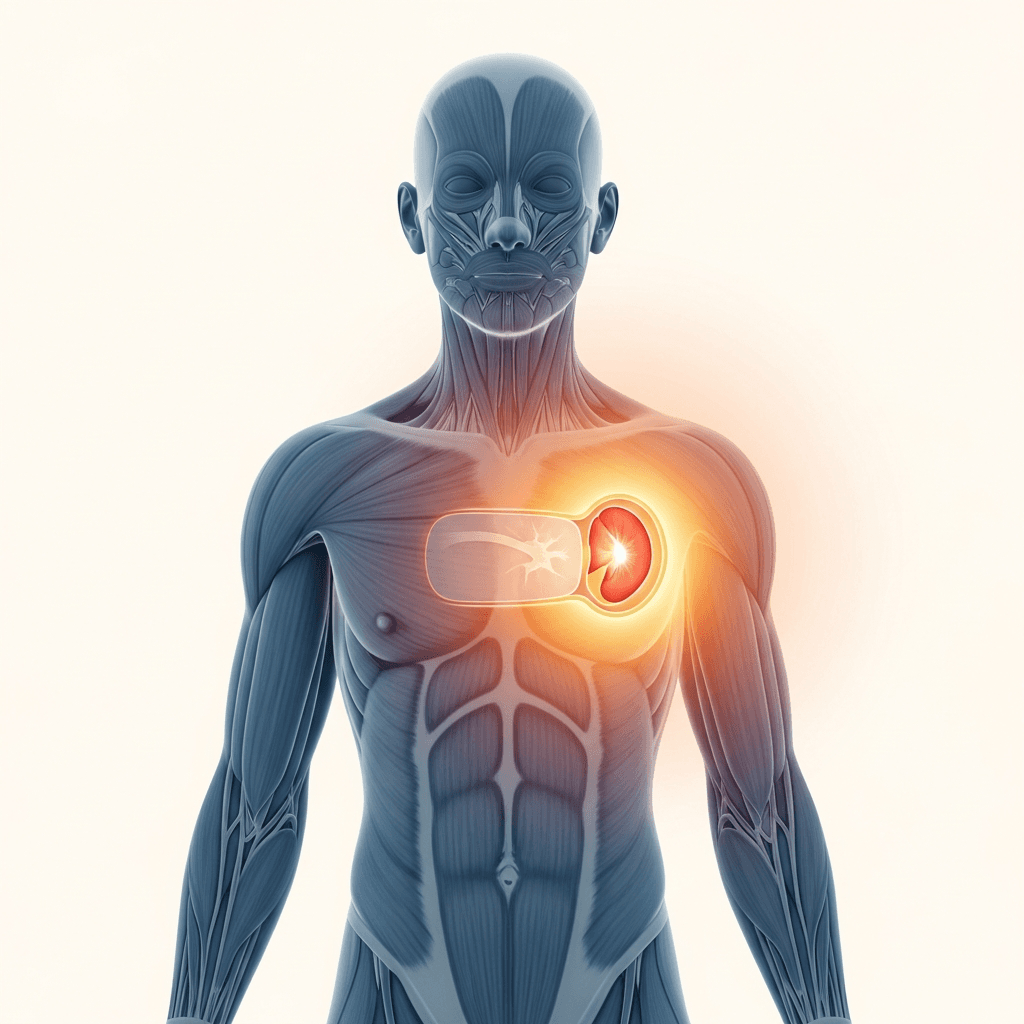
The spleen sits high up on the left side of the abdomen, tucked under the ribcage. During a car accident, sudden impact can crush this soft organ against the ribs or compress it when the body strikes the steering wheel, door, or seatbelt. Side-impact collisions often cause spleen injuries because the force hits directly where the organ is located.
The spleen has a thin outer covering that can tear when the organ gets squeezed or twisted. Sometimes the injury happens gradually - a small tear may start bleeding slowly and then suddenly get worse hours or even days later. People with enlarged spleens from illness may be more likely to experience rupture from less forceful impacts.
Rollover accidents can also cause spleen rupture when the body gets thrown around inside the vehicle. The combination of rapid deceleration and the body's momentum creates forces that can damage internal organs even when there are no obvious external injuries.
No upfront fees. No fee unless we recover money for you.
We'll get back to you as soon as possible.
(480) 899-9019 — free consultation
Emergency treatment focuses on stopping internal bleeding and stabilizing the person's condition. Doctors often use CT scans to see how badly the spleen is damaged and monitor for ongoing bleeding. Many smaller tears can heal on their own with careful watching in the hospital, including regular blood tests and repeat imaging.
When bleeding continues or the injury is severe, surgery may be necessary. Surgeons try to repair the spleen whenever possible because it helps fight infections. This might involve stitching tears, removing damaged parts, or using special materials to help control bleeding. The spleen removal surgery (splenectomy) becomes necessary when the organ is too damaged to save.
After treatment, people need extended monitoring because bleeding can sometimes restart. Those who have their spleen removed require lifelong vaccinations to prevent certain infections since the spleen normally helps the immune system. Recovery often involves gradually returning to normal activities while avoiding contact sports or activities that could cause another abdominal injury.
Internal bleeding can worsen suddenly, even when someone initially feels okay after an accident. The spleen holds a lot of blood, so continued bleeding can lead to shock, where blood pressure drops dangerously low and organs don't get enough oxygen. This can become life-threatening without immediate medical intervention.
People who have their spleen removed face a higher risk of certain bacterial infections for the rest of their lives. The spleen normally filters bacteria from the blood, so its absence means the immune system works differently. Some individuals also develop blood clots or have difficulty fighting off infections that their body would have handled easily before the injury.
Clinical terminology for medical and legal professionals
A ruptured spleen (splenic rupture) is a traumatic injury involving a breach in the splenic capsule that results in intraperitoneal hemorrhage. The spleen, located in the left upper quadrant beneath the ribcage, is particularly vulnerable to blunt abdominal trauma due to its vascular nature and relatively fixed position. Splenic injuries are graded I-V based on the American Association for the Surgery of Trauma (AAST) scale, with Grade I representing minor capsular tears and Grade V indicating complete splenic disruption. The condition can present as immediate rupture or delayed rupture (occurring hours to weeks post-trauma). Clinical presentation includes left upper quadrant pain, referred left shoulder pain (Kehr's sign), hemodynamic instability, and signs of hemorrhagic shock. Management ranges from conservative observation with serial imaging to emergent splenectomy, depending on hemodynamic stability and injury severity. ICD-10 codes include S36.00 (unspecified injury of spleen) and S36.09 (other injury of spleen).
Just been in an accident? See our step-by-step guide →
No upfront fees. No fee unless we recover money for you.
We'll get back to you as soon as possible.
(480) 899-9019 — free consultation
From the Blog: Learn more about protecting your rights in our Arizona injury law blog.
