Maria is an intake coordinator. She does not provide legal advice.
Seat belt syndrome
Typical Treatment
Rest and pain medication for bruising and surface injuries, Physical therapy to restore mobility and reduce stiffness, Surgery to repair internal organ damage, Treatment for broken ribs or chest injuries, Monitoring and care for internal bleeding
Recovery Timeline
Often 2-3 weeks for minor bruising, though internal injuries may require months or longer to heal completely
Common Accident Causes
Seatbelt injuries typically occur when a vehicle suddenly stops or changes direction, causing the body to keep moving forward while the seatbelt restrains it with significant force.
Impact Speed Range
May occur at speeds as low as 20-50+ mph
Common Collision Types
Head-on, Rear-end
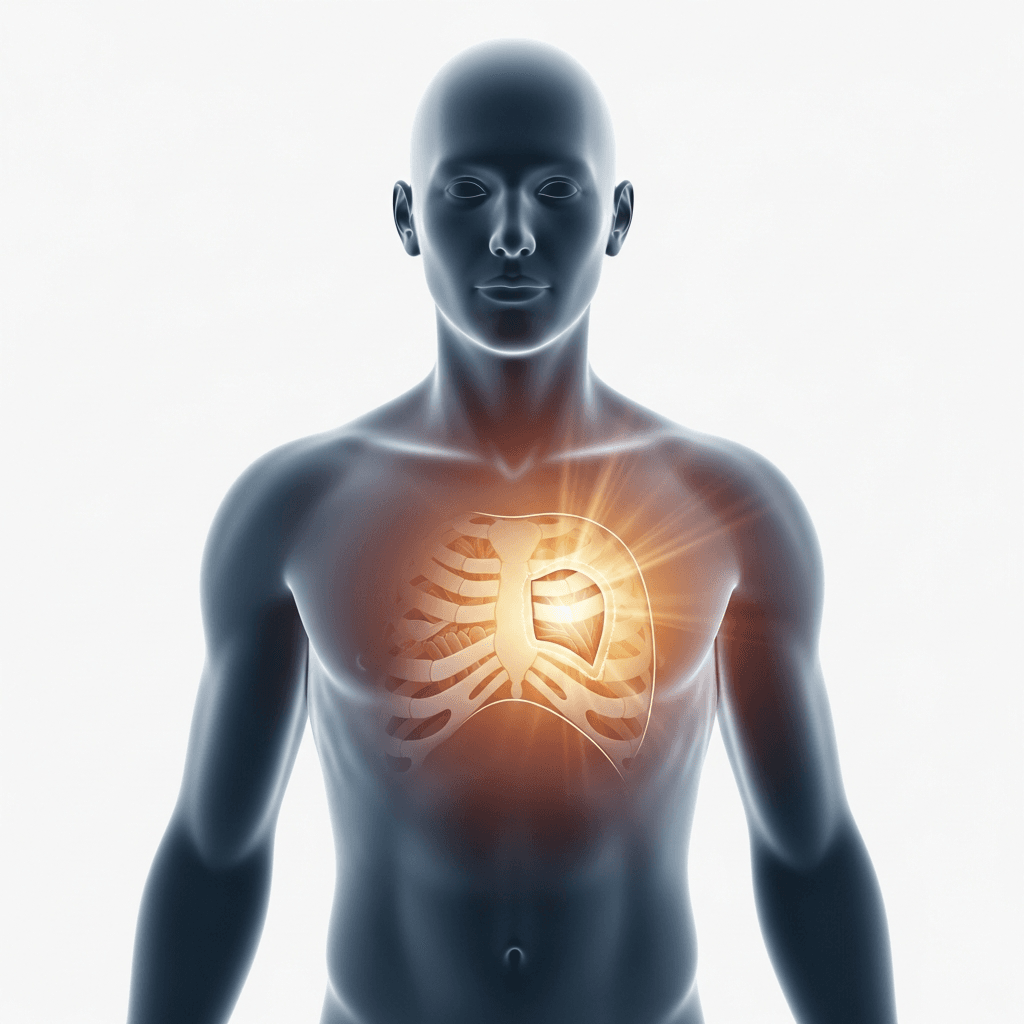
During a crash, the body continues moving forward even after the car stops. The seatbelt catches the body and stops this forward motion, but the sudden force can cause the belt to press deeply into the chest, shoulder, and abdomen. This pressure can bruise the skin and muscles along the belt's path.
The amount of force depends on how fast the car was going and how suddenly it stopped. In severe crashes, this force can be strong enough to damage internal organs like the liver, spleen, or intestines. The belt can also cause injuries to the ribs, spine, or blood vessels in the neck area.
While the seatbelt prevents much more serious injuries, the belt itself becomes a source of trauma when extreme forces are involved. The injury pattern often follows the exact path where the seatbelt crossed the body.
No upfront fees. No fee unless we recover money for you.
We'll get back to you as soon as possible.
(480) 899-9019 — free consultation
For minor seatbelt injuries, doctors often recommend rest, ice, and over-the-counter pain medication to help with bruising and soreness. Anti-inflammatory medications can reduce swelling and make movement more comfortable. Most surface injuries heal on their own within a few weeks.
When internal organs are damaged, treatment becomes more complex. Doctors may need to monitor the person closely in the hospital, provide IV fluids, or perform surgery to repair torn organs or stop internal bleeding. Physical therapy often helps people regain strength and movement after more serious injuries.
Some people need ongoing care for complications like breathing problems or digestive issues. The treatment plan depends entirely on which parts of the body were affected and how severely. Recovery can vary greatly from person to person.
Sometimes what looks like simple bruising can hide more serious internal damage. Organs in the abdomen like the spleen, liver, or intestines can be injured without obvious external signs. Internal bleeding can develop hours or even days after the accident, causing weakness, dizziness, or worsening abdominal pain.
Breathing problems can develop if the ribs are fractured or the lungs are bruised. Some people experience ongoing digestive issues if the intestines were damaged. In rare cases, blood vessels in the neck can be injured, potentially affecting blood flow to the brain. These complications explain why medical monitoring is often important even when the initial injury seems minor.
Clinical terminology for medical and legal professionals
Seatbelt injuries, clinically referred to as seat belt syndrome, encompass a spectrum of trauma resulting from the transmission of deceleration forces through restraint systems during motor vehicle collisions. These injuries range from superficial 'seat belt signs' (contusions and abrasions along the belt's path) to severe internal trauma including visceral organ damage, pneumothorax, and vertebral compression fractures. The mechanism involves sudden deceleration causing the restraint system to apply concentrated force across the chest, abdomen, and cervical regions. Common presentations include cervical vascular injuries, thoracic organ contusions, splenic lacerations, bowel perforations, and lumbar spine flexion-distraction injuries (Chance fractures). The injury pattern is classified by anatomical distribution: cervical (carotid artery dissection, laryngeal trauma), thoracic (rib fractures, cardiac contusions, pulmonary contusions), and abdominal (hollow viscus injuries, solid organ lacerations). Clinical evaluation requires high suspicion for internal injuries even in the absence of external seat belt markings, as visible signs correlate poorly with severity of underlying trauma.
Just been in an accident? See our step-by-step guide →
No upfront fees. No fee unless we recover money for you.
We'll get back to you as soon as possible.
(480) 899-9019 — free consultation
From the Blog: Learn more about protecting your rights in our Arizona injury law blog.
