Maria is an intake coordinator. She does not provide legal advice.
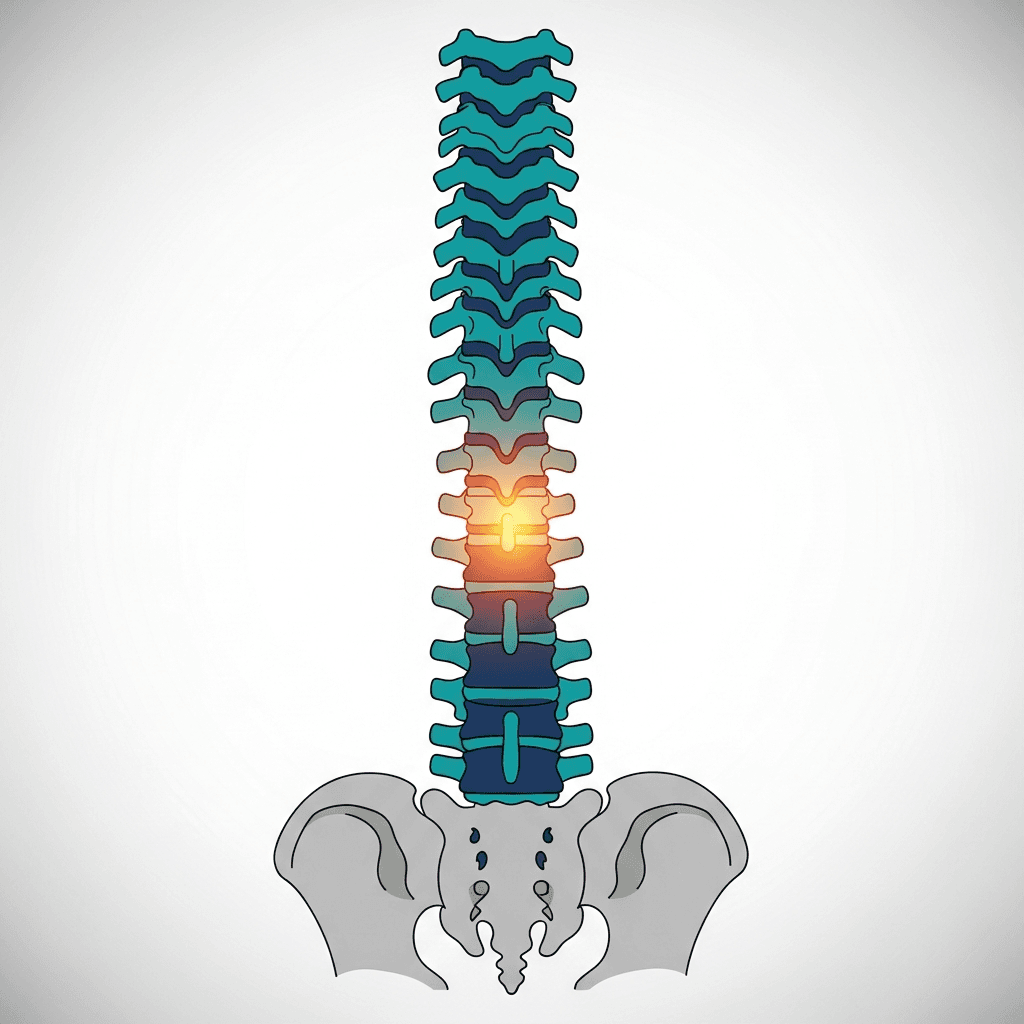
Thoracic vertebral fracture
Typical Treatment
Pain medication to manage discomfort during healing, Back bracing to keep the spine stable while bones heal, Physical therapy to restore strength and flexibility, Spinal fusion surgery for unstable or severe fractures, Activity modification to avoid movements that worsen pain, Bone stimulation therapy to encourage fracture healing
Recovery Timeline
Often 3-6 months for stable fractures, though complex fractures requiring surgery may take 12-18 months or longer
Common Accident Causes
Thoracic spine fractures typically happen when the middle back is compressed or twisted during impact, often when the body is thrown forward against a seatbelt or backward into the seat.
Impact Speed Range
May occur at speeds as low as 30-60+ mph
Common Collision Types
Head-on, Rollover
Thoracic spine fractures often occur when tremendous forces compress or bend the middle back during a car accident. This can happen when someone is thrown forward against their seatbelt during a frontal crash, causing the vertebrae to compress like an accordion. The middle back can also fracture when the body whips backward into the seat during a rear-end collision.
The thoracic spine is naturally more stable than the neck or lower back because it connects to the rib cage. This means it takes significant force to cause a fracture in this area. High-speed collisions, rollovers, and accidents where the vehicle roof collapses create the kind of extreme forces that can crack or shatter these sturdy vertebrae.
Sometimes the fracture happens when the body rotates violently during impact, such as in a side-impact crash or when a vehicle spins. The combination of bending and twisting forces can cause the vertebrae to break in complex patterns that may affect the spinal cord or nerves.
No upfront fees. No fee unless we recover money for you.
We'll get back to you as soon as possible.
(480) 899-9019 — free consultation
Treatment for thoracic spine fractures often begins with managing pain and preventing further injury. Doctors may prescribe strong pain medications and recommend wearing a back brace to keep the spine stable while the bone heals. Many stable fractures can heal on their own with careful monitoring and gradual return to activity.
Physical therapy typically plays a crucial role in recovery, helping people regain strength and flexibility while learning safe movement patterns. Therapists work on core strengthening exercises and posture training to support the healing spine. Some people may need occupational therapy to learn how to perform daily activities without straining their back.
Surgical treatment (such as spinal fusion with rods and screws) becomes necessary when the fracture is unstable, causes spinal cord compression, or fails to heal properly. Surgery aims to realign the vertebrae, decompress pinched nerves, and create a solid fusion between affected bones. Recovery from surgery often requires months of rehabilitation and activity restrictions.
One of the main concerns with thoracic spine fractures is that they can sometimes affect the spinal cord or nerves, even if this isn't immediately apparent. The spinal cord runs through the center of the vertebrae, and fracture fragments can potentially press against these delicate structures. This can lead to numbness, weakness, or in severe cases, problems with bowel and bladder function.
Another complication that can develop over time is a condition where the fracture doesn't heal properly, leading to chronic pain and deformity. Some people may develop a hunched-forward posture or lose height if the fractured vertebra collapses further. Additionally, the surrounding muscles and ligaments can become permanently weakened or scarred, creating ongoing mobility challenges and pain that affects daily activities and work capacity.
Clinical terminology for medical and legal professionals
A thoracic spine fracture involves a break in one or more of the twelve thoracic vertebrae (T1-T12) that form the middle portion of the spinal column. These fractures can range from simple compression fractures where the vertebral body collapses, to complex burst fractures involving multiple bone fragments, to fracture-dislocations with potential spinal cord involvement. The thoracic spine's natural kyphotic curve and rib cage attachments provide inherent stability, making fractures in this region typically require significant force. Classification systems like the AO Spine Classification help determine fracture stability and treatment approach. Neurological compromise may occur if fracture fragments encroach on the spinal canal, potentially causing thoracic myelopathy or radiculopathy. ICD-10 codes include S22.0 (fracture of thoracic vertebra) with appropriate seventh character for episode of care.
Just been in an accident? See our step-by-step guide →
No upfront fees. No fee unless we recover money for you.
We'll get back to you as soon as possible.
(480) 899-9019 — free consultation
From the Blog: Learn more about protecting your rights in our Arizona injury law blog.
