Maria is an intake coordinator. She does not provide legal advice.
Vertebral compression fracture
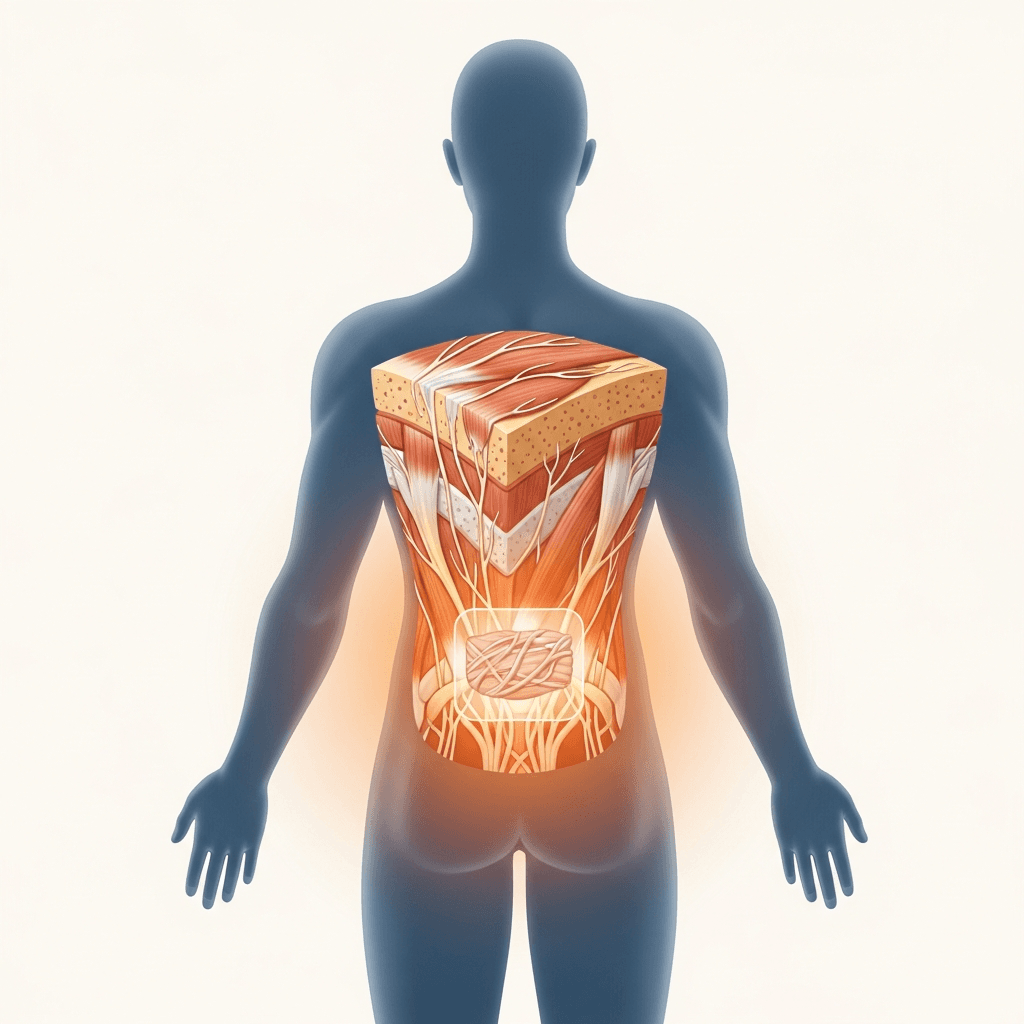
Typical Treatment
Back bracing to keep the spine stable while the bone heals, Pain medication to manage discomfort during recovery, Physical therapy to rebuild strength and prevent muscle loss, Bone cement injection to strengthen the fractured vertebra, Spinal fusion surgery for severe cases with instability
Recovery Timeline
Often 4-6 weeks for initial pain relief, though complete healing may take 3-4 months or longer for severe fractures
Common Accident Causes
Compression fractures typically occur when sudden impact forces the spine to compress, often during rear-end collisions or when someone's body gets thrown forward and backward rapidly.
Impact Speed Range
May occur at speeds as low as 25-50+ mph
Common Collision Types
Head-on, Rollover
During a car accident, compression fractures often happen when the spine gets compressed like an accordion. This commonly occurs in rear-end collisions when someone's body whips forward and then snaps back, or in head-on crashes when the body gets thrown forward against a seatbelt.
The vertebrae (spinal bones) can't handle the sudden crushing force, causing the front part of the bone to collapse while the back stays intact. This creates the characteristic wedge shape that doctors see on X-rays.
Sometimes the fracture happens immediately from the impact force. Other times, small hairline cracks develop during the accident and gradually worsen over the following days or weeks, causing the bone to eventually collapse.
No upfront fees. No fee unless we recover money for you.
We'll get back to you as soon as possible.
(480) 899-9019 — free consultation
Most compression fractures start with conservative treatment focused on pain management and allowing the bone to heal naturally. Doctors often recommend back braces to keep the spine stable and prevent further collapse. Pain medications help manage discomfort while the body repairs itself.
Physical therapy usually begins once the initial pain subsides, typically after a few weeks. The goal is to strengthen the muscles around the spine and improve mobility without putting too much stress on the healing bone.
For fractures that don't heal well or cause severe ongoing pain, doctors might recommend procedures like vertebroplasty (injecting bone cement) or kyphoplasty (inflating a balloon to restore height before injecting cement). In rare cases involving spinal instability or nerve damage, fusion surgery may be necessary.
Some compression fractures can lead to lasting changes in posture and height, especially if multiple vertebrae are affected. The spine may develop an abnormal forward curve, which can cause chronic pain and breathing difficulties in severe cases.
More serious complications occur when bone fragments press against the spinal cord or major nerves. This can cause numbness, weakness, or tingling that travels into the arms or legs. While many compression fractures heal well with proper care, some people experience ongoing pain or mobility limitations that affect their daily activities long-term.
Clinical terminology for medical and legal professionals
A vertebral compression fracture occurs when the vertebral body of a spinal segment collapses due to axial loading forces that exceed the bone's structural integrity. The most common presentation is a wedge-type fracture where the anterior portion of the vertebral body fails while the posterior elements remain intact. These fractures are classified using the AO Spine classification system and may present as stable (A1) or unstable (A3-A4) injuries depending on posterior column involvement. ICD-10 codes include S22.000A for unspecified fracture of first thoracic vertebra and S32.000A for fracture of unspecified lumbar vertebra. Diagnostic imaging typically begins with plain radiographs showing loss of vertebral height, followed by CT or MRI to assess for retropulsion, canal compromise, or neurologic involvement. Treatment ranges from conservative management with thoracolumbosacral orthosis (TLSO) bracing to surgical intervention including vertebroplasty, kyphoplasty, or spinal fusion depending on fracture stability and neurological compromise.
Just been in an accident? See our step-by-step guide →
No upfront fees. No fee unless we recover money for you.
We'll get back to you as soon as possible.
(480) 899-9019 — free consultation
From the Blog: Learn more about protecting your rights in our Arizona injury law blog.
