Maria is an intake coordinator. She does not provide legal advice.
Facial lacerations
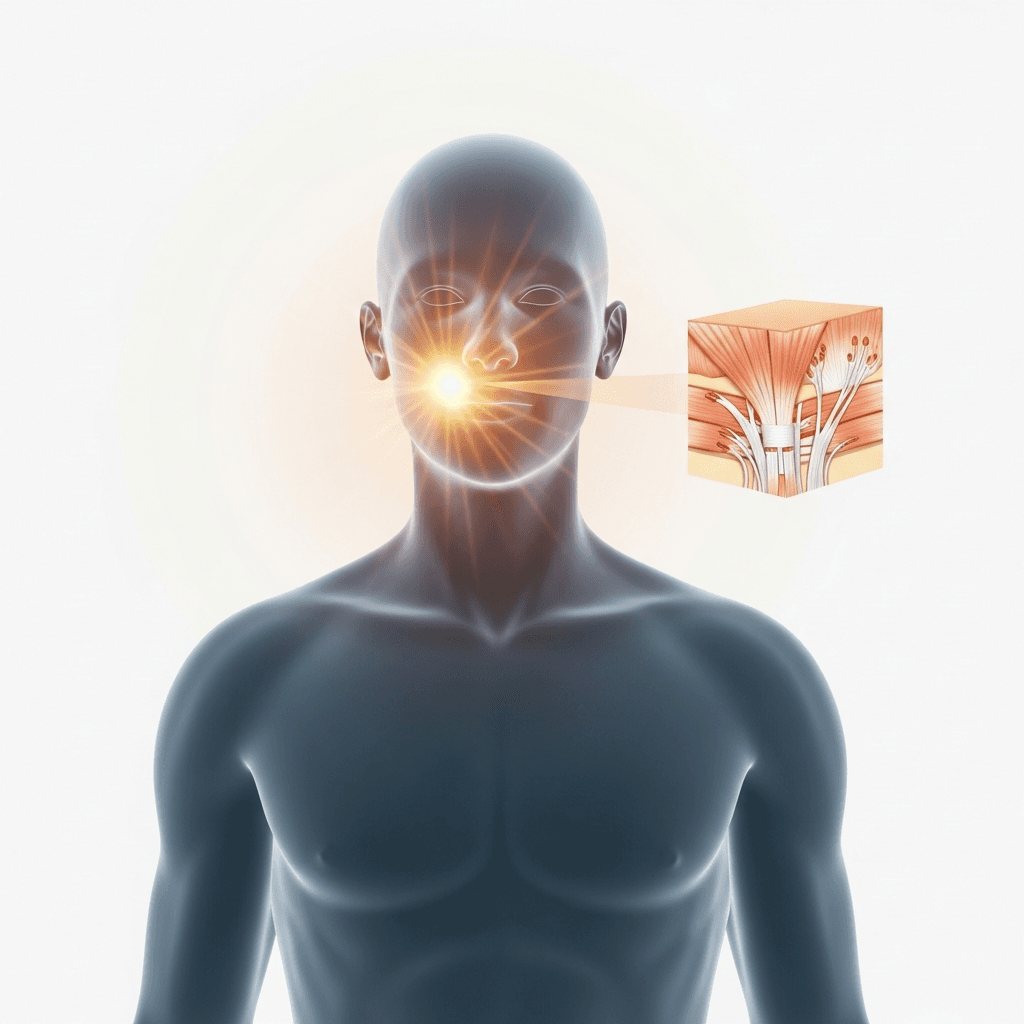
Typical Treatment
Cleaning and stitching the wound to prevent infection and minimize scarring, Plastic surgery to repair deeper cuts and improve appearance, Scar revision procedures to reduce visible scarring, Antibiotic treatment to prevent or treat infection, Pain medication during the healing process
Recovery Timeline
Often 1-2 weeks for initial healing, though complete scar maturation may take several months to over a year
Common Accident Causes
Facial lacerations happen when the face strikes hard surfaces like the steering wheel, dashboard, or side window, or when broken glass or debris cuts the skin during impact.
Impact Speed Range
May occur at speeds as low as 10-50+ mph
Common Collision Types
All types
Facial lacerations occur when the face makes contact with hard surfaces or sharp objects during a car accident. The dashboard, steering wheel, and side windows are common culprits that can cause these injuries when someone is thrown forward or to the side during impact.
Broken glass from windows or windshields often creates the deepest cuts. Even safety glass can shatter into small pieces that slice facial skin. The force of airbag deployment can sometimes cause cuts if there are objects between the person and the airbag, or if the airbag itself malfunctions.
The face has many blood vessels close to the surface, which is why even small facial cuts tend to bleed heavily. This rich blood supply actually helps with healing, but it can make the initial injury look more severe than it actually is.
No upfront fees. No fee unless we recover money for you.
We'll get back to you as soon as possible.
(480) 899-9019 — free consultation
Doctors typically start by cleaning the wound thoroughly and stopping any bleeding. Small, shallow cuts might only need careful cleaning and bandaging, while deeper lacerations usually require stitches (sutures) to close properly and heal with minimal scarring.
Plastic surgeons often handle more complex facial cuts, especially those near important features like the eyes, nose, or mouth. They use specialized techniques to minimize visible scarring and preserve normal facial movement and expression.
After the initial treatment, people may need follow-up procedures like scar revision surgery or laser treatments to improve the appearance of healed wounds. The goal is not just healing, but restoring the face's appearance as much as possible.
Some facial lacerations can be deeper than they initially appear, potentially damaging facial nerves that control expression and movement. When nerves are injured, people might experience lasting numbness, tingling, or difficulty moving parts of their face normally.
Infection is another concern with facial wounds, especially if debris or dirt got into the cut during the accident. Signs of infection include increased pain, swelling, redness, or discharge from the wound. Even after proper healing, some people develop thick, raised scars (hypertrophic scars) or scars that extend beyond the original wound area (keloid scars), which may require additional treatment.
Clinical terminology for medical and legal professionals
Facial lacerations are disruptions in the continuity of facial skin and underlying soft tissue structures caused by blunt or penetrating trauma. These injuries are classified by depth, involving the epidermis, dermis, and potentially deeper structures including subcutaneous tissue, fascia, muscle, nerves, and blood vessels. The rich vascular supply of facial tissue (supplied primarily by branches of the external carotid artery) results in profuse bleeding even from superficial wounds. Complex lacerations may involve injury to the facial nerve branches, parotid duct, or lacrimal system. Treatment considerations include hemostasis, debridement, primary closure techniques, and prevention of secondary complications such as infection or hypertrophic scarring. ICD-10 codes include S01.41 (laceration without foreign body of right cheek and temporomandibular area) and related subcodes based on anatomical location and complexity.
Just been in an accident? See our step-by-step guide →
No upfront fees. No fee unless we recover money for you.
We'll get back to you as soon as possible.
(480) 899-9019 — free consultation
From the Blog: Learn more about protecting your rights in our Arizona injury law blog.
