Maria is an intake coordinator. She does not provide legal advice.
Mandibular fracture
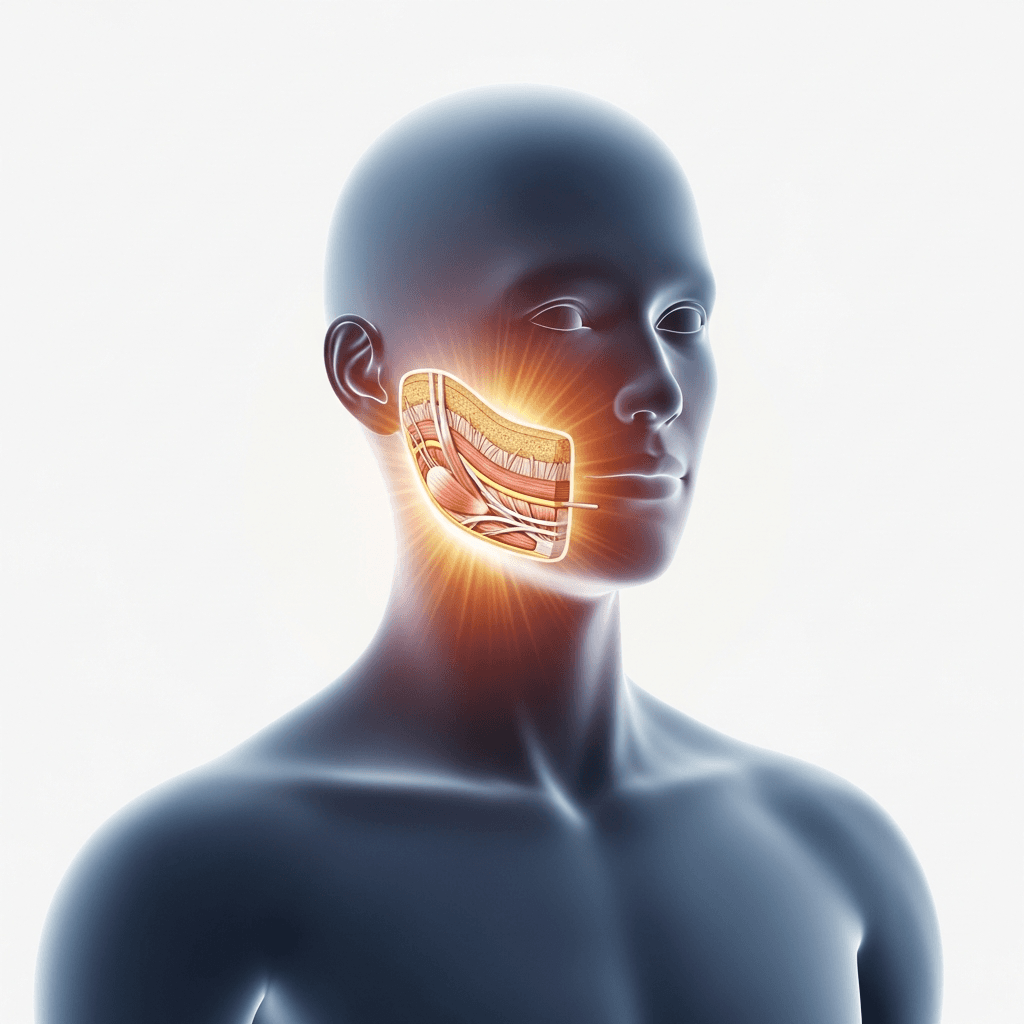
Typical Treatment
Jaw wiring to hold bones in proper position while healing, Surgery with metal plates and screws to rebuild the bone structure, Liquid or soft food diet during recovery, Pain medication and anti-inflammatory drugs, Physical therapy to restore jaw movement and strength
Recovery Timeline
Often 6-8 weeks for initial healing, though full recovery can take several months depending on the severity
Common Accident Causes
Jaw fractures typically occur when the face strikes the steering wheel, dashboard, or airbag during impact, or from side-impact collisions that cause the head to snap sideways.
Impact Speed Range
May occur at speeds as low as 20-50+ mph
Common Collision Types
Head-on, Side-impact
Car accidents can fracture jaw bones through direct impact or sudden head movement. When someone's face hits the steering wheel, dashboard, or window during a crash, the force often concentrates on the lower jaw bone. This bone is particularly vulnerable because it sticks out from the face and absorbs much of the impact energy.
Side-impact collisions can also cause jaw fractures when the head snaps sideways and strikes the door frame or side window. Even with airbag deployment, the rapid deceleration can cause the jaw to slam shut forcefully, sometimes fracturing the bone near the jaw joints. The severity often depends on the speed of impact and whether the person was wearing a seatbelt.
Sometimes the fracture happens indirectly when the impact forces travel through the skull bones. A blow to one side of the jaw can actually break the bone on the opposite side, as the force travels through the curved jaw structure.
No upfront fees. No fee unless we recover money for you.
We'll get back to you as soon as possible.
(480) 899-9019 — free consultation
Treatment for jaw fractures often starts with stabilizing the broken bones so they can heal in the correct position. For minor fractures where the bones haven't moved much, doctors may wire the teeth together or use special elastic bands to keep the jaw still. This approach typically requires eating only liquids and soft foods for several weeks.
More serious fractures usually need surgery to properly align the broken pieces. Surgeons often use small metal plates and screws to hold the bones together while they heal. This type of surgery allows people to open their mouths sooner than with jaw wiring, though they still need to stick to soft foods during recovery.
Recovery typically involves managing pain and swelling while the bones heal. Many people work with physical therapists later in their recovery to regain full jaw movement and strength. The healing process can take several months, and some people experience ongoing jaw stiffness or clicking sounds.
Some jaw fractures can lead to lasting problems if the bones don't heal properly or if nerves get damaged during the injury. People may experience permanent numbness in their lip or chin if the fracture damages nearby nerves. Sometimes the bones heal in a slightly wrong position, which can cause ongoing problems with how the teeth fit together when biting.
Infection is another possible complication, especially when the fracture line goes through areas where teeth are located. This can slow healing and sometimes requires additional surgery to clean out infected bone tissue. Some people also develop long-term jaw joint problems, leading to clicking, popping, or difficulty opening their mouth fully even after the bones have healed.
Clinical terminology for medical and legal professionals
A jaw fracture involves disruption of the continuity of the mandible (lower jaw) or maxilla (upper jaw) bones. Mandibular fractures are classified by anatomical location including condylar, angle, body, symphysis, and ramus regions. These injuries often result from high-energy trauma and may involve displacement of bone fragments, dental malocclusion, and potential airway compromise. Treatment typically requires open reduction and internal fixation (ORIF) using titanium plates and screws, or closed reduction with maxillomandibular fixation (MMF). Complications can include infection, nonunion, malunion, nerve damage (particularly the inferior alveolar nerve), and temporomandibular joint dysfunction. ICD-10 codes include S02.60 (fracture of mandible, unspecified) and S02.40 (fracture of maxilla, unspecified).
Just been in an accident? See our step-by-step guide →
No upfront fees. No fee unless we recover money for you.
We'll get back to you as soon as possible.
(480) 899-9019 — free consultation
From the Blog: Learn more about protecting your rights in our Arizona injury law blog.
