Maria is an intake coordinator. She does not provide legal advice.
Orbital fracture
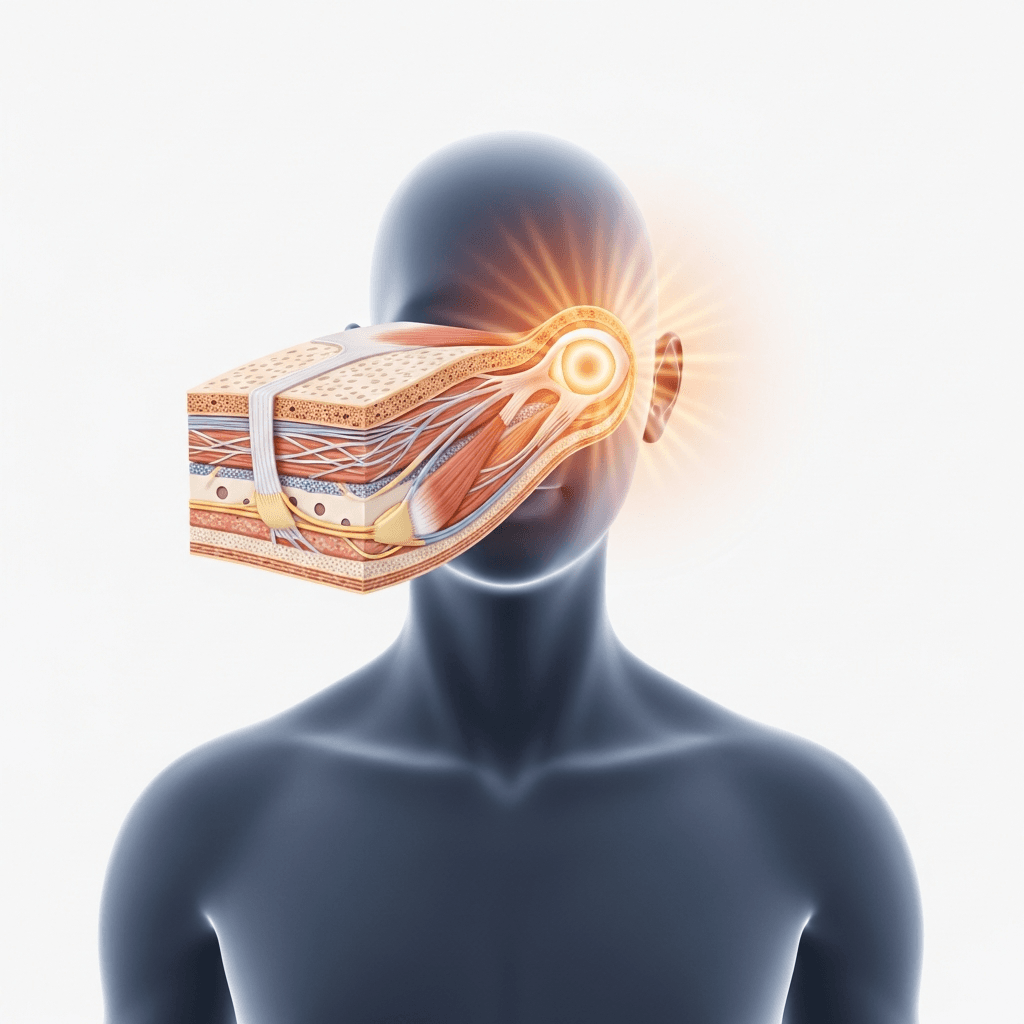
Typical Treatment
Ice packs and cold compresses to reduce swelling, Pain medication to manage discomfort, Antibiotics if there's risk of infection, Eye movement exercises once healing begins, Surgery to repair the broken bones and restore eye socket shape, Follow-up care with eye specialists
Recovery Timeline
Often 2-6 weeks for minor fractures, though cases requiring surgery may take several months to heal completely
Common Accident Causes
Orbital fractures typically occur when the face strikes the steering wheel, dashboard, or airbag with significant force, causing the eye socket bones to crack under the sudden pressure.
Impact Speed Range
May occur at speeds as low as 20-50+ mph
Common Collision Types
Head-on, Side-impact
Orbital fractures happen when the face hits something hard during a crash, like the steering wheel or dashboard. The sudden impact creates pressure inside the eye socket. Think of it like squeezing a cardboard box - the weakest walls give way first.
The thin floor of the eye socket often breaks first because it's only about as thick as an eggshell. When this happens, some of the muscles and tissue around the eye can get trapped in the break. This is why people often can't move their eye normally afterward.
Frontal crashes tend to cause these injuries more often because the face strikes forward-facing surfaces. But side-impact crashes can also cause orbital fractures when the side of the face hits the window or door frame.
No upfront fees. No fee unless we recover money for you.
We'll get back to you as soon as possible.
(480) 899-9019 — free consultation
Treatment often starts with managing pain and swelling. Doctors typically recommend ice packs for the first few days and pain medication. People with orbital fractures usually need to avoid blowing their nose, which can make the injury worse.
For more serious fractures, surgery may be needed to repair the broken bones. Surgeons can use small plates or implants to rebuild the eye socket floor and free any trapped muscles. This type of surgery (orbital floor reconstruction) often helps restore normal eye movement and appearance.
Recovery varies significantly between cases. Some people return to normal activities within a week, while others need several weeks or months to heal completely. Eye specialists typically monitor progress closely to watch for complications.
Sometimes orbital fractures cause problems that don't show up right away. Vision issues can develop days or even weeks after the accident. The eye might not move properly in certain directions, causing ongoing double vision that affects daily activities.
More serious complications can include permanent facial numbness or changes in the eye's position. In rare cases, people may develop lasting vision problems or the eye may appear noticeably different from the uninjured side. This is why follow-up care with eye specialists often continues for months after the initial injury, even when someone feels better.
Clinical terminology for medical and legal professionals
An orbital fracture involves a break in one or more of the seven bones that form the orbital cavity: the frontal, sphenoid, ethmoid, maxilla, palatine, lacrimal, and zygomatic bones. The most common type is an orbital floor fracture (blow-out fracture), which occurs when sudden pressure increases within the orbit, causing the thin orbital floor to fracture into the maxillary sinus. This can result in entrapment of the inferior rectus muscle, diplopia, enophthalmos, and infraorbital nerve damage. Associated complications may include extraocular muscle dysfunction, permanent visual field defects, and chronic facial numbness. Diagnostic evaluation typically includes CT imaging to assess fracture displacement and muscle entrapment. Treatment ranges from conservative management to surgical orbital floor reconstruction with implants.
Just been in an accident? See our step-by-step guide →
No upfront fees. No fee unless we recover money for you.
We'll get back to you as soon as possible.
(480) 899-9019 — free consultation
From the Blog: Learn more about protecting your rights in our Arizona injury law blog.
