Maria is an intake coordinator. She does not provide legal advice.
Complete SCI
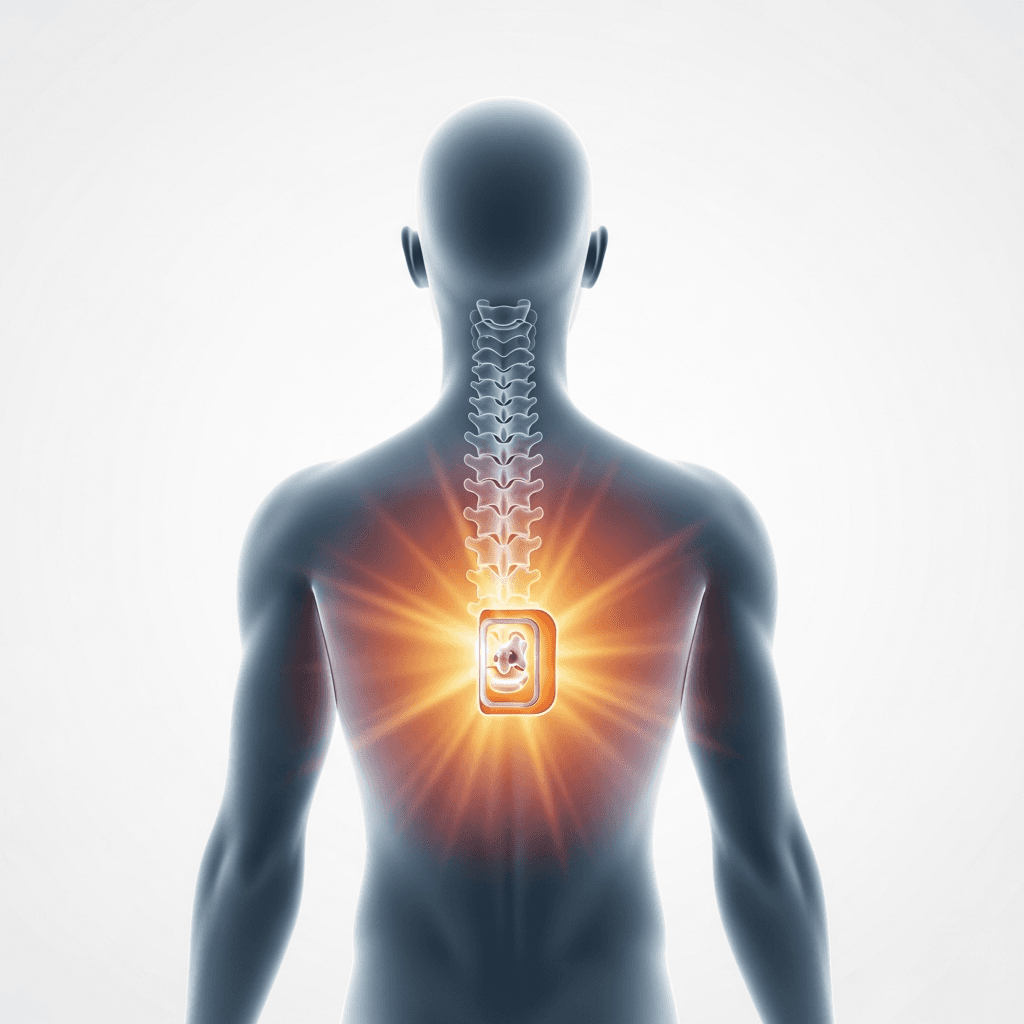
Typical Treatment
Emergency spinal stabilization surgery, Intensive care unit monitoring, Respiratory support and ventilation, Surgical spinal fusion procedures, Long-term rehabilitation therapy, Assistive mobility equipment
Recovery Timeline
Permanent condition with no recovery of function below injury level; acute treatment phase 3-6 months, followed by lifelong adaptive care
Common Accident Causes
High-impact collisions causing severe compression fractures, burst fractures, or complete transection of spinal cord from crushing forces during rollover accidents or high-speed impacts
Impact Speed Range
May occur at speeds as low as 40-60+ mph
Common Collision Types
Head-on, Rollover
Complete spinal cord injuries occur when tremendous forces completely sever or destroy all nerve pathways in the spinal cord during catastrophic accidents. High-speed vehicle collisions, rollover accidents, and crashes involving large commercial vehicles can generate sufficient force to cause complete cord transection through compression fractures, burst fractures, or complete dislocation of vertebrae. The spinal cord, which carries all nerve signals between the brain and body, becomes completely interrupted at the injury site.
Unlike incomplete spinal cord injuries where some nerve pathways remain intact, complete injuries result in total loss of all sensory and motor function below the level of injury. The higher the injury location on the spinal cord, the more body systems become affected. Complete cervical injuries typically result in quadriplegia affecting all four limbs, while complete thoracic or lumbar injuries cause paraplegia affecting the lower body. The immediate and permanent nature of complete spinal cord injuries makes them among the most catastrophic consequences of severe vehicle accidents.
No upfront fees. No fee unless we recover money for you.
We'll get back to you as soon as possible.
(480) 899-9019 — free consultation
Treatment for complete spinal cord injuries begins with emergency stabilization to prevent further damage to the spinal cord. Immediate surgical intervention often involves decompression procedures to remove bone fragments or foreign objects, followed by spinal fusion surgery to stabilize the injured vertebrae. Patients typically require intensive care monitoring for respiratory complications, cardiovascular instability, and other life-threatening complications that commonly accompany complete spinal cord injuries.
Long-term treatment focuses on preventing secondary complications and maximizing independence within the limitations of complete paralysis. Comprehensive rehabilitation programs address mobility training with wheelchairs and adaptive equipment, bladder and bowel management programs, respiratory therapy for high-level injuries, and occupational therapy for daily living skills. Pain management becomes crucial as many patients develop chronic neuropathic pain below the injury level. Ongoing medical care includes management of autonomic dysreflexia, prevention of pressure sores, bone density monitoring, and cardiovascular health maintenance.
The treatment approach requires a multidisciplinary team including neurosurgeons, physiatrists, respiratory therapists, occupational therapists, and social workers. Home modifications, specialized medical equipment, and attendant care services become essential components of the comprehensive treatment plan for individuals with complete spinal cord injuries.
Complete spinal cord injuries result in permanent and irreversible loss of function below the injury site, with no possibility of recovering sensation or voluntary movement. Unlike incomplete injuries where some recovery may occur, complete injuries typically show no improvement beyond the initial injury assessment. This permanency creates lifelong complications including increased risk of respiratory infections, cardiovascular disease, osteoporosis, pressure ulcers, and urinary tract infections that require constant medical monitoring and intervention.
Secondary complications often develop months or years after the initial injury, including autonomic dysreflexia in high-level injuries, which can cause life-threatening blood pressure spikes. Chronic pain conditions, severe muscle spasticity, and psychological adjustment disorders frequently emerge as long-term complications. The immune system often becomes compromised, leading to increased susceptibility to infections and slower wound healing.
Early and comprehensive documentation of complete spinal cord injuries becomes critical for legal claims because the extent of future medical needs, equipment requirements, home modifications, and attendant care can only be properly assessed through thorough medical evaluation. The permanent nature of these injuries means that accurate initial assessment directly impacts the ability to secure appropriate compensation for decades of future medical expenses and quality of life impacts.
Just been in an accident? See our step-by-step guide →
No upfront fees. No fee unless we recover money for you.
We'll get back to you as soon as possible.
(480) 899-9019 — free consultation
From the Blog: Learn more about protecting your rights in our Arizona injury law blog.
