Maria is an intake coordinator. She does not provide legal advice.
Incomplete spinal cord injury
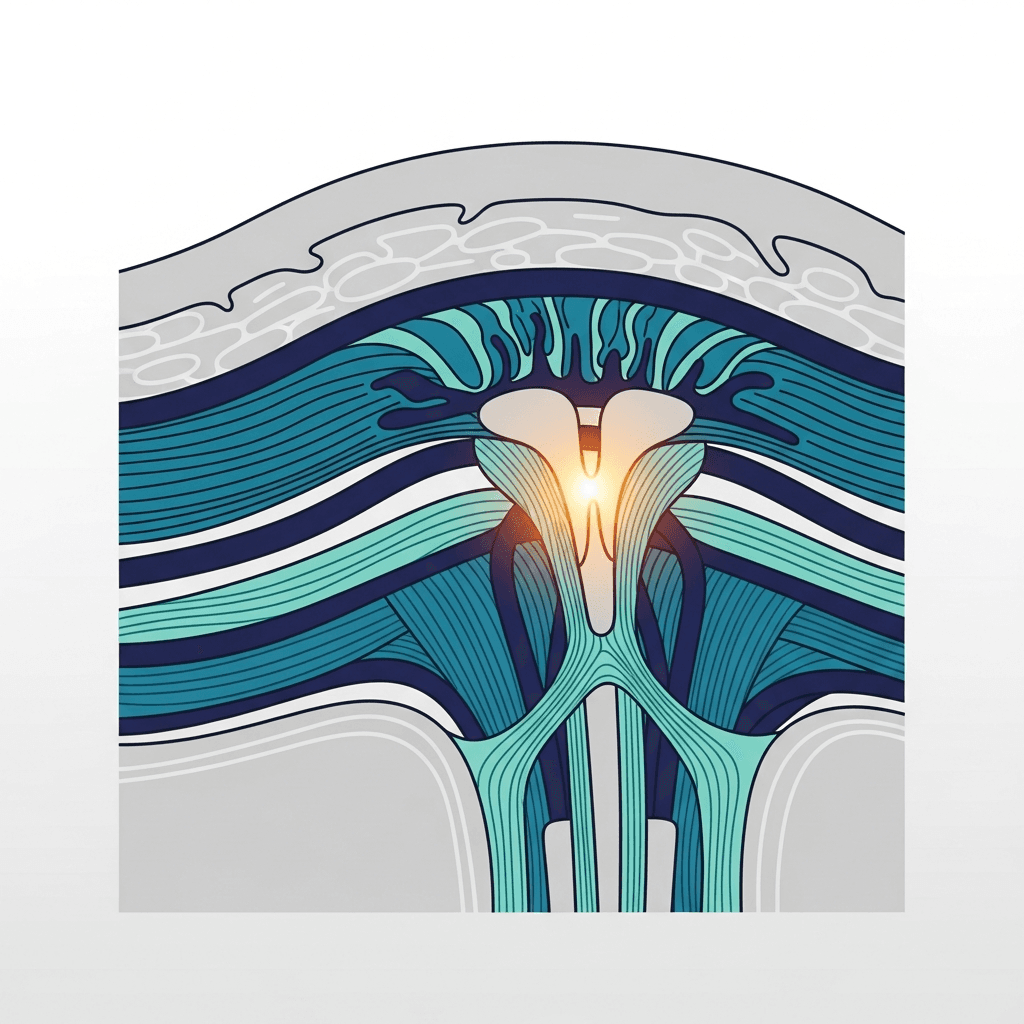
Typical Treatment
Emergency surgery to stabilize the spine and reduce pressure, High-dose steroid medications to reduce swelling, Physical therapy to strengthen remaining muscle function, Occupational therapy to relearn daily activities, Electrical stimulation therapy to activate weakened muscles
Recovery Timeline
Most improvement happens within the first 18 months, though some people continue to see small gains for years
Common Accident Causes
High-impact collisions can cause the spine to compress, twist, or hyperextend, damaging some but not all of the nerve pathways in the spinal cord.
Impact Speed Range
May occur at speeds as low as 30-60+ mph
Common Collision Types
Head-on, Rollover, Side-impact
Partial spinal cord injuries often happen when extreme forces compress or stretch the spinal cord without completely tearing it. In head-on crashes, the sudden stop can cause the spine to compress like an accordion, damaging some nerve fibers while leaving others intact. Rollover accidents frequently cause these injuries because the twisting and bending motion can partially crush the delicate spinal cord tissue.
The severity often depends on which part of the spine gets hit and how much swelling occurs afterward. Even when some nerve pathways survive the initial impact, swelling can put pressure on the remaining healthy tissue. This is why some people notice their symptoms getting worse in the hours or days following an accident, even though the main injury already happened.
No upfront fees. No fee unless we recover money for you.
We'll get back to you as soon as possible.
(480) 899-9019 — free consultation
Emergency treatment for partial spinal cord injuries focuses on preventing further damage and reducing swelling around the injury site. Doctors often use high-dose steroids (methylprednisolone) within hours of the accident to limit inflammation. Surgery may be needed to remove bone fragments, repair damaged vertebrae, or relieve pressure on the spinal cord through procedures like spinal fusion or laminectomy.
Long-term treatment centers around rehabilitation and adapting to changed abilities. Physical therapists work with people to strengthen muscles that still function and teach new ways to move. Occupational therapists focus on relearning everyday tasks like dressing, cooking, and working. Some people benefit from newer treatments like electrical stimulation therapy (functional electrical stimulation) or experimental approaches, though results vary widely from person to person.
The incomplete nature of these injuries can make it difficult to predict long-term outcomes, especially in the first few months. What seems like a less severe injury initially can sometimes lead to chronic pain conditions, recurring infections, or progressive weakness that develops over time. Some people experience autonomic dysreflexia, where blood pressure spikes dangerously in response to minor irritations below the injury level.
Secondary complications can significantly impact daily life even when some movement and sensation remain. Bladder and bowel problems often persist and can lead to kidney infections or other serious health issues. Many people develop chronic pain that's different from typical pain - often described as burning, stabbing, or electric shock sensations that don't respond well to regular pain medications.
Clinical terminology for medical and legal professionals
An incomplete or partial spinal cord injury (SCI) occurs when the spinal cord sustains damage that results in partial preservation of sensory and/or motor function below the neurological level of injury. Unlike complete SCIs, incomplete injuries maintain some neural pathways across the injury site, allowing for varying degrees of sensation, voluntary motor activity, or both. Classification includes Brown-Séquard syndrome (hemisection), central cord syndrome (affecting the central gray matter), anterior cord syndrome (affecting the anterior spinal artery distribution), and cauda equina syndrome. The American Spinal Injury Association (ASIA) Impairment Scale grades incomplete injuries from B (sensory incomplete) to D (motor incomplete). Recovery potential varies significantly, with the greatest neurological improvement typically occurring within the first 12-18 months post-injury through neuroplasticity and rehabilitation interventions.
Just been in an accident? See our step-by-step guide →
No upfront fees. No fee unless we recover money for you.
We'll get back to you as soon as possible.
(480) 899-9019 — free consultation
From the Blog: Learn more about protecting your rights in our Arizona injury law blog.
